Hey there! As a supplier of pneumatic actuators, I've gotten tons of questions about the difference between pneumatic and electric actuators. So, I thought I'd break it down in this blog post to help you understand which one might be the best fit for your needs.
Let's start with the basics. An actuator is a device that converts energy into motion. In industrial applications, actuators are used to control valves, dampers, and other equipment. Pneumatic and electric actuators are two of the most common types, and they each have their own unique features and benefits.
Pneumatic Actuators
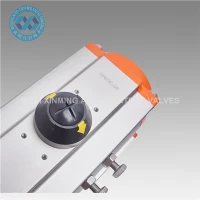
Pneumatic actuators use compressed air to generate motion. They're pretty straightforward in how they work. When compressed air is supplied to the actuator, it pushes a piston or a diaphragm, which then moves the actuator's output shaft. This movement can be used to open or close a valve, for example.
One of the biggest advantages of pneumatic actuators is their simplicity. They have fewer components compared to electric actuators, which means there's less that can go wrong. This simplicity also makes them relatively easy to install and maintain. You don't need a lot of technical know - how to get a pneumatic actuator up and running.
Another great thing about pneumatic actuators is their speed. They can move quickly, which is really useful in applications where you need rapid response times. For instance, in a manufacturing line where you need to open and close valves in a split - second, pneumatic actuators are a great choice.
Pneumatic actuators are also very reliable. Since they use air as the power source, they're not as affected by electrical issues like power surges or short circuits. They can operate in harsh environments, including areas with high humidity, dust, or explosive atmospheres. This is because they don't generate sparks, which makes them safe for use in potentially dangerous settings.
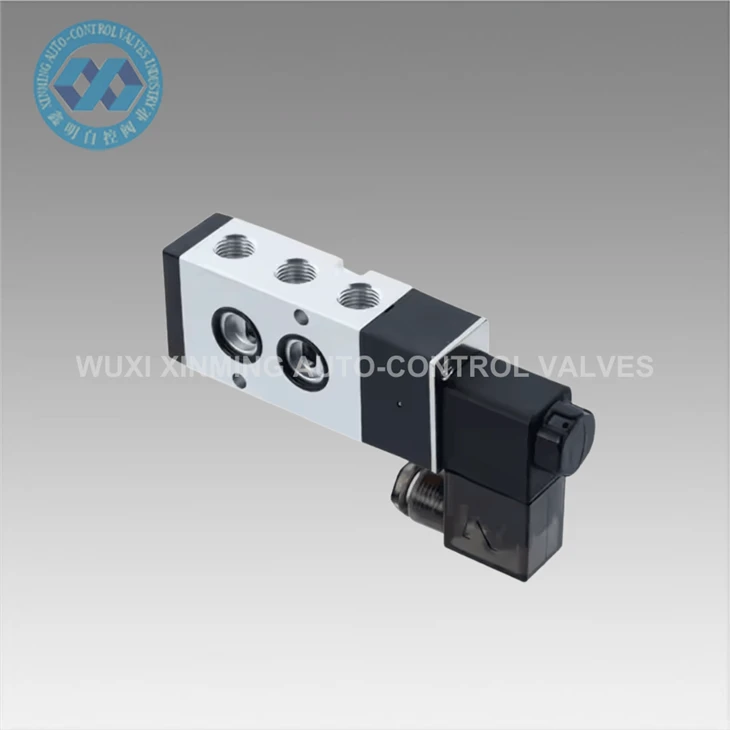
If you're interested in some specific pneumatic actuators, we offer a 3 Position Pneumatic Actuator. It provides more flexibility in terms of control compared to standard two - position actuators. We also have 2 - way 5 - port High - pressure Pneumatic Solenoid Valve(0 - 10MPA) which can handle high - pressure applications with ease. And our High Strength Pneumatic Actuators are built to last, even in tough industrial conditions.
However, pneumatic actuators do have some drawbacks. One of the main ones is the need for a compressed air system. Setting up and maintaining a compressed air system can be expensive and time - consuming. You need to have an air compressor, air lines, and filters, and you have to make sure the air is clean and dry to prevent damage to the actuator.
Also, pneumatic actuators are not as precise as electric actuators in some cases. The force and position control can be a bit less accurate, especially when you need very fine - tuned movements.
Electric Actuators
Electric actuators, on the other hand, use electricity to generate motion. They typically have a motor that drives a gearbox or a screw mechanism to move the output shaft.
One of the key advantages of electric actuators is their precision. They can provide very accurate control over the position, speed, and force of the movement. This makes them ideal for applications where you need high - precision control, such as in laboratory equipment or in some high - tech manufacturing processes.
Electric actuators are also very energy - efficient in certain situations. They only use power when they're actually moving, unlike pneumatic actuators which require a continuous supply of compressed air. This can lead to cost savings in the long run, especially for applications where the actuator doesn't need to move very often.

Another benefit of electric actuators is that they don't require a compressed air system. This eliminates the need for the associated equipment and maintenance, which can simplify the overall setup.
However, electric actuators also have their limitations. They're more complex than pneumatic actuators, with more components and electronics. This means they can be more difficult to install and maintain. If there's an electrical problem, it can be more challenging to diagnose and fix compared to a pneumatic actuator.
Electric actuators are also more sensitive to environmental conditions. They can be affected by dust, moisture, and extreme temperatures. In harsh industrial environments, they may require additional protection, such as enclosures, which can add to the cost.
Which One Should You Choose?
The choice between pneumatic and electric actuators depends on several factors. If you need a fast, reliable, and simple solution for a relatively straightforward application, especially in a harsh environment, a pneumatic actuator is probably the way to go. They're great for applications like general industrial valve control, process automation in factories, and in some mobile equipment.
On the other hand, if you need high - precision control, energy efficiency, and don't mind dealing with a more complex system, an electric actuator might be a better fit. They're well - suited for applications in the medical, aerospace, and semiconductor industries, where precision is crucial.
Cost Considerations
Cost is always an important factor when choosing between pneumatic and electric actuators. The initial cost of a pneumatic actuator is usually lower than that of an electric actuator. However, you need to factor in the cost of the compressed air system for pneumatic actuators. Over time, the cost of maintaining the air compressor, air lines, and filters can add up.
For electric actuators, while the initial purchase price may be higher, the long - term energy savings and potentially lower maintenance costs can make them a more cost - effective option in some cases. It really depends on how often the actuator will be used and the specific requirements of your application.
Conclusion
In conclusion, both pneumatic and electric actuators have their own strengths and weaknesses. As a pneumatic actuator supplier, I believe that pneumatic actuators offer a great combination of simplicity, speed, and reliability. But I also understand that in some situations, electric actuators are the better choice.
If you're still not sure which type of actuator is right for your project, I'd be more than happy to help. Whether you need advice on choosing the right actuator or you're ready to make a purchase, feel free to reach out. We can have a detailed discussion about your specific needs and find the best solution for you.
References
- "Industrial Actuators: A Comprehensive Guide" by John Smith
- "Pneumatic and Electric Actuator Technology" by Jane Doe
- Various industry whitepapers on actuator technology