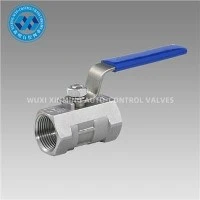
As a supplier of manual handwheels, I understand the importance of durability in these essential components. A durable manual handwheel not only ensures long - term performance but also reduces maintenance costs and downtime for our customers. In this blog, I will share several key strategies on how to improve the durability of a manual handwheel.
Material Selection
The choice of materials is fundamental in determining the durability of a manual handwheel. High - quality materials can withstand wear, corrosion, and mechanical stress over an extended period.
Metals
Metals are a popular choice for manual handwheels due to their strength and durability. Stainless steel, for example, is highly resistant to corrosion, making it suitable for use in harsh environments such as chemical plants or outdoor installations. Its ability to resist rust and oxidation ensures that the handwheel maintains its structural integrity even when exposed to moisture or chemicals.
Aluminum is another metal option. It is lightweight yet strong, which can be beneficial in applications where weight is a concern. Additionally, aluminum can be anodized to enhance its corrosion resistance. This process creates a protective layer on the surface of the aluminum, preventing it from reacting with the surrounding environment.
Cast iron is known for its high strength and excellent wear resistance. It can handle heavy loads and is often used in industrial applications where the handwheel is subjected to significant mechanical stress. However, cast iron is relatively heavy and may not be suitable for applications where weight needs to be minimized.
Plastics
Plastics also have their place in manual handwheel manufacturing. Engineering plastics such as polycarbonate and nylon offer good mechanical properties and are resistant to chemicals. Polycarbonate is known for its high impact resistance, which means it can withstand sudden shocks without cracking or breaking. Nylon, on the other hand, has excellent wear resistance and low friction, which can reduce the amount of force required to operate the handwheel.
Design Optimization
A well - designed manual handwheel can significantly improve its durability.
Ergonomic Design
An ergonomic design not only enhances user comfort but also reduces the risk of premature wear. A handwheel with a comfortable grip reduces the amount of force exerted by the user, which in turn reduces the stress on the handwheel components. For example, a contoured grip that fits the shape of the hand can distribute the force more evenly, preventing concentrated stress points that could lead to damage.
Structural Reinforcement
Adding structural reinforcements to the handwheel can increase its strength and durability. Ribs or gussets can be incorporated into the design to provide additional support, especially in areas that are prone to stress. For instance, around the hub or the connection points to the shaft, reinforcements can prevent cracking or deformation under heavy loads.
Minimizing Moving Parts
Reducing the number of moving parts in the handwheel can also improve its durability. Fewer moving parts mean fewer opportunities for wear and failure. For example, a simple one - piece handwheel design eliminates the need for complex assemblies that could loosen or malfunction over time.
Surface Treatment
Surface treatment can enhance the durability of a manual handwheel by providing a protective layer against corrosion, wear, and friction.
Coating
Applying a coating to the handwheel surface can protect it from environmental factors. Powder coating is a popular choice as it provides a thick, durable finish that is resistant to chipping, scratching, and corrosion. It also comes in a variety of colors, allowing for customization.
Galvanizing is another common surface treatment for metal handwheels. It involves coating the metal with a layer of zinc, which acts as a sacrificial anode, protecting the underlying metal from corrosion. This is particularly useful for handwheels used in outdoor or humid environments.
Heat Treatment
Heat treatment can improve the hardness and strength of metal handwheels. Processes such as quenching and tempering can change the microstructure of the metal, making it more resistant to wear and deformation. For example, a heat - treated steel handwheel will have a harder surface that can withstand abrasion better than an untreated one.
Maintenance and Lubrication
Proper maintenance and lubrication are essential for ensuring the long - term durability of a manual handwheel.
Regular Inspection
Regular inspections can help identify potential problems before they become serious. Check for signs of wear, such as cracks, chips, or excessive play in the handwheel. Inspect the connection points to the shaft and make sure they are secure. If any issues are detected, they should be addressed immediately to prevent further damage.
Lubrication
Lubricating the moving parts of the handwheel can reduce friction and wear. Choose a lubricant that is suitable for the application and the materials used in the handwheel. For example, in high - temperature environments, a high - temperature grease may be required. Regularly apply the lubricant according to the manufacturer's recommendations to ensure smooth operation and extend the life of the handwheel.
Compatibility with Other Components
A manual handwheel should be compatible with the other components in the system to ensure its durability.
Shaft Compatibility
The handwheel must be properly matched to the shaft it is attached to. Ensure that the bore size of the handwheel is the correct diameter for the shaft, and that the keyway or other attachment methods are compatible. A loose fit can cause the handwheel to wobble, leading to uneven wear and potential damage.
System Load
Consider the load requirements of the entire system when selecting a manual handwheel. The handwheel should be able to handle the maximum load that will be applied to it during normal operation. Overloading the handwheel can cause premature wear and failure.
In conclusion, improving the durability of a manual handwheel requires a comprehensive approach that includes material selection, design optimization, surface treatment, maintenance, and compatibility with other components. As a manual handwheel supplier, we are committed to providing high - quality products that meet the diverse needs of our customers. If you are interested in our manual handwheels or have any questions about improving their durability, please feel free to contact us for procurement and further discussions. We are always ready to offer you the best solutions for your specific applications.
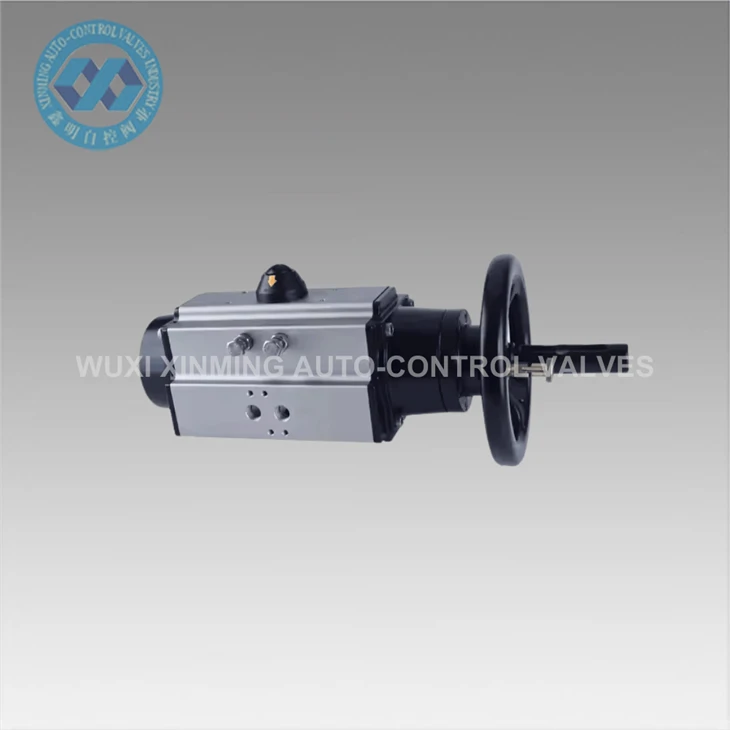
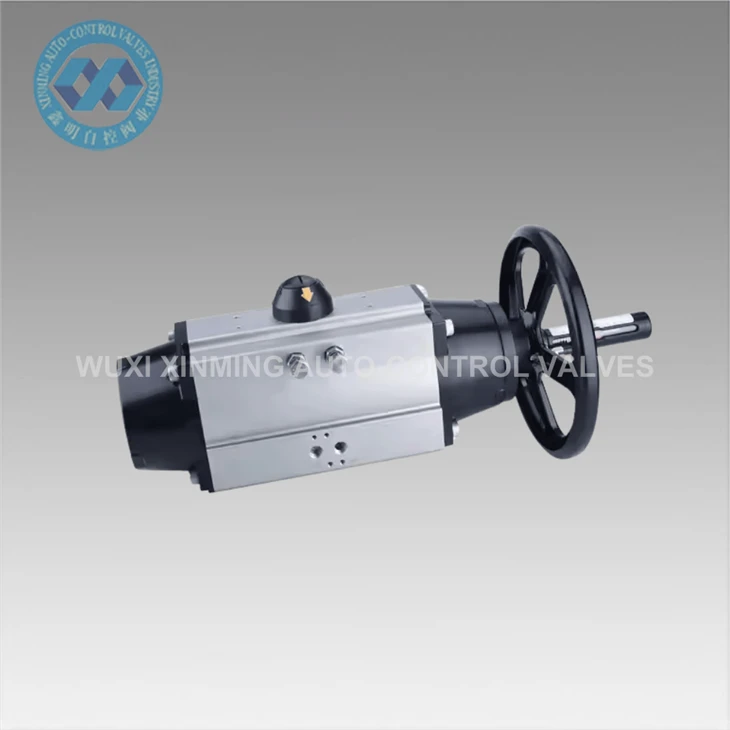
We also offer a range of related products such as the Emergency Manual Operation Mechanism With Pneumatic Actuator, Pneumatic Actuator With Emergency Manual Operation, and High Efficiency Air Single And Double Acting Air Handwheel Pneumatic Actuator. These products are designed to work in harmony with our manual handwheels, providing reliable and durable solutions for your industrial needs.
References
- "Engineering Materials and Their Applications" by William D. Callister Jr. and David G. Rethwisch
- "Design of Machine Elements" by Robert L. Norton
- Industry standards and guidelines related to manual handwheel manufacturing and use.