Installing a WCB Butterfly Valve in a pipeline with high - frequency vibration requires careful planning and precise execution. As a WCB Butterfly Valve supplier, I have witnessed firsthand the importance of proper installation in ensuring the valve's longevity and optimal performance, especially in challenging environments with high - frequency vibrations. In this blog, I will guide you through the process of installing a WCB Butterfly Valve in such a pipeline, highlighting key considerations and best practices.
Pre - installation Preparations
Before starting the installation, it is crucial to conduct a thorough inspection of the pipeline and the valve. First, check the pipeline for any signs of damage, corrosion, or misalignment. High - frequency vibration can exacerbate existing issues, so it is essential to address them before installing the valve. Measure the inner diameter of the pipeline to ensure it matches the outer diameter of the WCB Butterfly Valve. Any significant discrepancies can lead to leakage or improper valve operation.
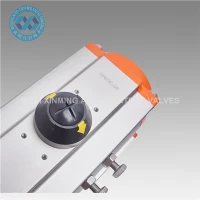
Next, examine the WCB Butterfly Valve itself. Inspect the valve body for cracks, dents, or other physical damage. Check the disc, stem, and seals for proper alignment and integrity. Make sure that all the components are clean and free from debris. If you have ordered an Actuator Pneumatic Epdm Flange Butterfly Valve, ensure that the actuator is in good working condition and properly calibrated.
Selecting the Right Location
The location of the valve in the pipeline is a critical factor, especially in high - frequency vibration environments. Choose a section of the pipeline that is relatively straight and free from sharp bends or obstructions. This will help to reduce the stress on the valve caused by the vibration. Avoid installing the valve near pumps or other equipment that generates high - frequency vibrations directly, as this can increase the risk of valve failure.
It is also important to consider accessibility for maintenance and inspection. The valve should be installed in a location where it can be easily reached for routine checks and repairs. Additionally, ensure that there is enough space around the valve to allow for the operation of the actuator, if applicable.
Mounting the Valve
When mounting the WCB Butterfly Valve, start by aligning the valve flanges with the pipeline flanges. Use a gasket that is compatible with the valve and the pipeline materials. The gasket should be clean and free from any defects. Place the gasket between the flanges, ensuring that it is centered and properly seated.
Insert the bolts through the flange holes and hand - tighten them evenly in a cross - pattern. This helps to ensure uniform compression of the gasket and prevents leakage. Once all the bolts are hand - tightened, use a torque wrench to tighten them to the recommended torque value. Over - tightening can damage the flanges or the gasket, while under - tightening can result in leakage.
If you are installing a The New Metal Button Ne Way Check Diaphragm Actuator Pneumatic Ball Valve or a Cast Iron Double Acting Pneumatic Actuator Butterfly Valve, follow the manufacturer's instructions for connecting the actuator to the valve. Make sure that all the electrical or pneumatic connections are secure and properly insulated.
Vibration Isolation
To minimize the impact of high - frequency vibration on the WCB Butterfly Valve, vibration isolation techniques should be employed. One common method is to use flexible connectors on either side of the valve. These connectors can absorb some of the vibration energy and prevent it from being transferred directly to the valve.
Another option is to install vibration - damping mounts. These mounts can be placed under the valve or the pipeline supports to reduce the transmission of vibration. The choice of vibration isolation method depends on the specific characteristics of the pipeline and the level of vibration.
Testing and Commissioning
After the valve is installed, it is essential to conduct a series of tests to ensure its proper operation. First, perform a visual inspection to check for any signs of leakage around the flanges or the valve body. Then, operate the valve manually to ensure that the disc rotates smoothly and fully opens and closes.
If the valve is equipped with an actuator, test the actuator's operation. Check the response time, the accuracy of the position control, and the overall functionality of the actuator. Conduct a pressure test to verify the integrity of the valve under operating pressure. This will help to identify any potential leaks or weaknesses in the valve or the installation.
Maintenance and Monitoring
Once the valve is commissioned, regular maintenance and monitoring are crucial to ensure its long - term performance. Establish a maintenance schedule that includes routine inspections, lubrication of moving parts, and replacement of worn - out components.
Monitor the valve's performance over time. Keep an eye on parameters such as pressure, temperature, and flow rate. Any significant changes in these parameters may indicate a problem with the valve or the pipeline. Use vibration monitoring devices to detect any abnormal vibration patterns, which could be a sign of impending valve failure.
Conclusion
Installing a WCB Butterfly Valve in a pipeline with high - frequency vibration requires a comprehensive approach that takes into account various factors, from pre - installation preparations to post - installation maintenance. By following the steps outlined in this blog, you can ensure a successful installation and a long - lasting, reliable valve operation.
If you are in the market for a high - quality WCB Butterfly Valve or need further assistance with valve installation and maintenance, please do not hesitate to contact us. Our team of experts is ready to provide you with the best solutions and support for your pipeline system.

References
- Valve Handbook, [Author's Name], [Publisher], [Year of Publication]
- Pipeline Design and Installation Guidelines, [Organization], [Year of Publication]
- Vibration Isolation and Damping Techniques, [Research Institution], [Year of Research]