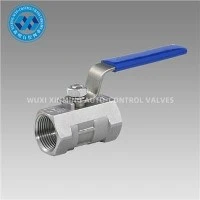
As a supplier of thread ball valves, I've seen firsthand how crucial flow efficiency is in various industrial applications. Whether it's for controlling the flow of liquids or gases, a well - functioning thread ball valve can make a world of difference. In this blog, I'll share some practical tips on how to improve the flow efficiency of a thread ball valve.
1. Select the Right Valve Size
One of the most fundamental steps in ensuring good flow efficiency is choosing the correct valve size. A valve that is too small will create excessive pressure drop, restricting the flow. On the other hand, an oversized valve can lead to unstable flow and poor control.
When selecting the size, you need to consider the flow rate requirements of your system. Calculate the expected flow volume and the pressure at which the fluid will be flowing. You can use industry - standard sizing charts, which are based on the valve's Cv (flow coefficient) value. The Cv value indicates the amount of water (in US gallons per minute) that can flow through a valve with a pressure drop of 1 psi. Make sure to choose a valve with a Cv value that matches your system's needs. For instance, if you have a high - flow system, you'll want a valve with a higher Cv.
2. Pay Attention to Valve Design
The design of the thread ball valve plays a significant role in its flow efficiency. There are different types of ball valve designs, such as full - port and standard - port.
A full - port ball valve has a ball with an opening that is the same size as the pipe it is connected to. This design allows for minimal flow restriction, resulting in high flow efficiency. Standard - port ball valves, on the other hand, have a smaller ball opening, which can cause some degree of flow restriction. If high flow efficiency is your top priority, opt for a full - port design.
Also, consider the surface finish of the valve's interior. A smooth interior surface minimizes friction, allowing the fluid to flow more freely. Valves with a polished ball and smooth inner walls can significantly improve flow efficiency.
3. Ensure Proper Installation
Proper installation is key to achieving optimal flow efficiency. First, make sure that the valve is installed in the correct orientation. Most thread ball valves are unidirectional, meaning they are designed to work properly when the fluid flows in a specific direction. Installing the valve backwards can lead to reduced flow and even valve damage.
The connections between the valve and the pipes also need to be tight and leak - free. Loose connections can cause pressure loss and turbulence, which negatively affect flow efficiency. Use appropriate sealing materials, such as Teflon tape or gaskets, to ensure a proper seal. Additionally, make sure that the pipes are clean before installation to prevent any debris from entering the valve and causing blockages.
4. Regular Maintenance
Regular maintenance is essential for keeping the thread ball valve operating at peak efficiency. Over time, dirt, debris, and corrosion can build up inside the valve, restricting the flow.
Perform routine inspections to check for any signs of wear, damage, or blockages. Clean the valve regularly to remove any accumulated particles. You can use a mild detergent or a specialized valve cleaner, depending on the type of fluid that the valve handles.


Lubricate the moving parts of the valve, such as the ball and the stem, as recommended by the manufacturer. Proper lubrication reduces friction, making it easier for the valve to open and close, and also helps to prevent corrosion.
5. Upgrade with Actuators
If you're looking for more precise control and improved flow efficiency, consider upgrading your thread ball valve with an actuator. Actuators can automate the opening and closing of the valve, allowing for more accurate and timely flow control.
For example, pneumatic actuators are popular because they are fast - acting and reliable. They use compressed air to move the valve, providing quick and precise control of the flow. Electric actuators are also a good option, especially for applications where a high degree of control is required. They offer smooth operation and can be easily integrated with automation systems.
6. Consider the Fluid Properties
The properties of the fluid flowing through the valve have a significant impact on its flow efficiency. Fluids with high viscosity, such as oil, tend to flow more slowly and create more resistance compared to low - viscosity fluids like water.
If you're dealing with a high - viscosity fluid, you may need to choose a valve with a larger opening or a design that is specifically optimized for viscous fluids. You can also consider using additives to reduce the viscosity of the fluid, which can improve the flow through the valve.
The temperature and pressure of the fluid are also important factors. High - temperature fluids can cause the valve materials to expand, which may affect the valve's performance. Make sure to choose a valve with materials that can withstand the temperature and pressure conditions of your application.
7. Test and Optimize
Once you've installed and maintained your thread ball valve, it's important to test the flow efficiency. Use flow meters and pressure gauges to measure the flow rate and pressure drop across the valve. Compare the measured values with the expected values based on your system's design.
If the flow efficiency is lower than expected, you may need to make some adjustments. This could involve changing the valve size, improving the installation, or performing additional maintenance. Continuously monitor and optimize the valve's performance to ensure that it operates at the highest level of efficiency.
In conclusion, improving the flow efficiency of a thread ball valve requires a combination of proper selection, installation, maintenance, and optimization. By following these tips, you can ensure that your valve provides reliable and efficient flow control.
If you're in the market for high - quality thread ball valves or want to discuss how to optimize your valve system for better flow efficiency, feel free to reach out to us. We're here to help you find the right solutions for your industrial needs.
References
- "Valve Handbook", Control Valve Laboratory, 2020
- "Industrial Fluid Flow Systems: Design and Operation", Smith, J., 2019
- Manufacturer's manuals of various thread ball valves