Hey there! As a supplier of pneumatic actuators, I often get asked about the environmental impacts of these nifty devices. So, let's dive right in and explore what using pneumatic actuators means for our planet.
Raw Material Sourcing and Manufacturing
First off, let's talk about where the materials for pneumatic actuators come from. A lot of these actuators are made from metals like steel and aluminum. Mining these metals is a resource - intensive process. It uses a ton of water, energy, and can cause significant land disruption. For example, open - pit mining for iron ore (used to make steel) can lead to deforestation, soil erosion, and the destruction of natural habitats.
But hey, there's a silver lining. Many manufacturers, including us, are starting to source materials from more sustainable mines. These mines follow strict environmental regulations and are trying to reduce their carbon footprint. Also, the use of recycled metals is on the rise. Recycling metals consumes far less energy compared to mining and refining new ones. For instance, recycling aluminum uses about 95% less energy than producing it from bauxite ore.
The manufacturing process of pneumatic actuators also requires energy. You've got everything from machining the metal parts to assembling the final product. Factories use electricity, and if that electricity comes from non - renewable sources like coal, it can contribute to greenhouse gas emissions. However, we've been making efforts to optimize our manufacturing processes. We've upgraded our machinery to be more energy - efficient and some of our facilities even use renewable energy sources like solar power.
Energy Consumption During Operation
Pneumatic actuators work by using compressed air. Compressing air requires a lot of energy. Air compressors are the heart of any pneumatic system, and let me tell you, they can be energy hogs. In fact, compressed air systems can account for a significant portion of a factory's total energy consumption.
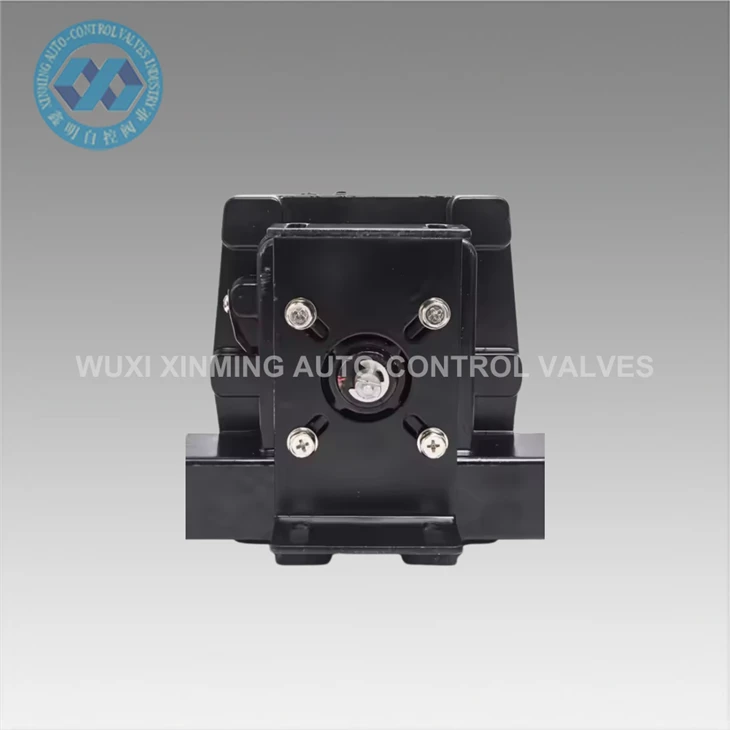
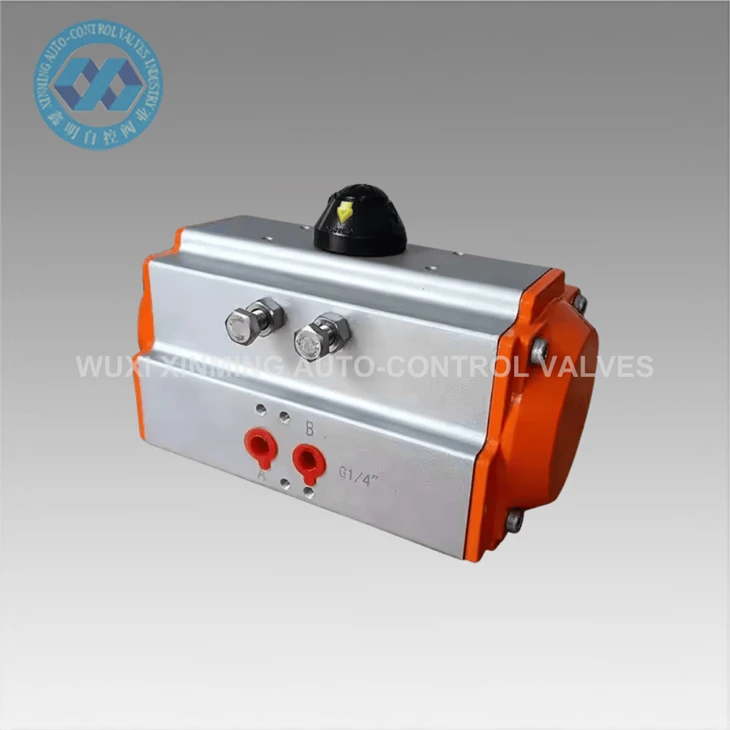
But don't worry, there are ways to mitigate this. We've developed more energy - efficient pneumatic actuators. These actuators use less compressed air to achieve the same level of performance. For example, our High - Performance Rack And Pinion Actuator For Precision Motion Control is designed with advanced technology to reduce air leakage and optimize the use of compressed air.
Also, proper maintenance of pneumatic systems is crucial. Leaky pipes and valves can waste a huge amount of compressed air, which in turn means more energy consumption. Regularly checking and repairing these leaks can save a significant amount of energy and money.
Noise Pollution
Another environmental impact of pneumatic actuators is noise pollution. When the compressed air is released or when the actuator moves, it can produce a fair amount of noise. In an industrial setting, where there are multiple pneumatic actuators in operation, the noise levels can be quite high.
Excessive noise can have a negative impact on the health of workers as well as the surrounding environment. It can cause hearing loss, stress, and disrupt the natural behavior of wildlife in the area. To tackle this issue, we've been developing quieter pneumatic actuators. These actuators are designed with special mufflers and dampening materials to reduce the noise they produce.
Air Quality
The operation of pneumatic actuators can also affect air quality. Compressed air systems can sometimes introduce oil and other contaminants into the air. This is especially true if the air compressors are not properly maintained. When these contaminants are released into the environment, they can contribute to air pollution.
To prevent this, we've been promoting the use of oil - free air compressors and high - quality air filtration systems. Our Long Life Steel Pneumatic Valve Limit Switch is designed to work efficiently with clean air, which helps in reducing the chances of air contamination.
End - of - Life Disposal
When pneumatic actuators reach the end of their useful life, they need to be disposed of properly. If not, they can end up in landfills, where they can take up space and potentially release harmful substances into the soil and groundwater.
But we're big on recycling. We encourage our customers to return their old pneumatic actuators to us. We then disassemble them and recycle the metal parts. This not only reduces waste but also conserves natural resources.
The Positive Side
Despite these potential environmental impacts, pneumatic actuators also have some environmental benefits. They are relatively simple in design compared to some other types of actuators, which means they are easier to manufacture and repair. This can lead to a longer lifespan, reducing the need for frequent replacements.
Our Quarter Turn Air Actuator For Ball/butterfly Valve Double Acting Pneumatic Rotary Actuator is built to last. Its durable construction means less waste in the long run. Also, pneumatic actuators are often used in applications where they can help in energy - efficient processes. For example, in some automated systems, they can precisely control the flow of fluids or gases, reducing energy waste.
Wrapping It Up and Reaching Out
So, as you can see, using pneumatic actuators has both positive and negative environmental impacts. But the good news is that we're constantly working to minimize the negative effects. We're committed to sustainable manufacturing, energy efficiency, and proper waste management.
If you're in the market for pneumatic actuators, we'd love to have a chat with you. We can discuss how our products can meet your needs while also being kind to the environment. Whether you're looking for a reliable quarter - turn actuator or a high - performance rack and pinion actuator, we've got you covered. Reach out to us for more information and let's start a conversation about your pneumatic actuator requirements.