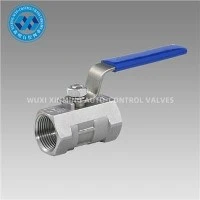
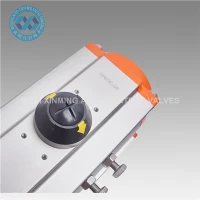
A flange ball valve is a crucial component in many industrial and commercial piping systems. As a flange ball valve supplier, I understand the importance of correct installation to ensure the valve functions properly and has a long service life. In this blog post, I will guide you through the process of installing a flange ball valve correctly.

Pre - installation Preparation
1. Inspection of the Valve
Before installation, it is essential to inspect the flange ball valve thoroughly. Check for any visible damage, such as cracks, dents, or scratches on the body, flanges, or ball. Ensure that the valve's opening and closing mechanism operates smoothly. Also, verify that the valve's specifications, including size, pressure rating, and material, match the requirements of your piping system.
2. Cleaning of Piping
The piping system where the flange ball valve will be installed must be clean. Remove any debris, dirt, or rust from the inside of the pipes. This can be done using a pipe brush or compressed air. Cleaning the pipes helps prevent contaminants from entering the valve and causing damage to its internal components.
3. Gathering Tools
You will need several tools for the installation process. These include a wrench (the size should match the bolts on the flanges), a gasket cutter (if you need to cut gaskets), a torque wrench to ensure proper tightening of bolts, and a measuring tape to check the alignment of the valve.
Installation Steps
1. Selecting the Right Location
Choose a suitable location for the flange ball valve in the piping system. The valve should be easily accessible for operation and maintenance. Avoid installing it in areas where it may be exposed to excessive vibration, high temperatures, or corrosive substances. Also, ensure that there is enough space around the valve for the installation of gaskets, bolts, and for future maintenance work.
2. Placing the Gaskets
Gaskets are used to create a tight seal between the valve flanges and the pipe flanges. Select gaskets that are compatible with the fluid in the piping system and the operating conditions. Place the gaskets on the flange faces of the pipes. Make sure the gaskets are centered and flat, without any wrinkles or folds.
3. Aligning the Valve
Carefully lift the flange ball valve and align it with the pipe flanges. Ensure that the bolt holes in the valve flanges match perfectly with those in the pipe flanges. Use a measuring tape to check the alignment. Misalignment can cause uneven stress on the gaskets and bolts, leading to leaks.
4. Inserting the Bolts
Insert the bolts through the bolt holes in the valve flanges and the pipe flanges. Use washers on both sides of the flanges to distribute the load evenly. Make sure the bolts are inserted in the correct orientation and that they are not cross - threaded.
5. Tightening the Bolts
Use a torque wrench to tighten the bolts gradually and evenly. Start by tightening the bolts in a diagonal pattern to ensure uniform compression of the gaskets. Refer to the valve manufacturer's specifications for the recommended torque values. Over - tightening the bolts can damage the gaskets and the valve flanges, while under - tightening can result in leaks.
6. Testing the Valve
After the installation is complete, perform a pressure test on the piping system. Slowly increase the pressure in the system and check for any leaks around the valve flanges. If a leak is detected, stop the test immediately, relieve the pressure, and re - check the alignment and tightening of the bolts.
Special Considerations
1. Handling Different Fluids
If the piping system carries corrosive fluids, such as acids or alkalis, choose a flange ball valve made of corrosion - resistant materials, such as stainless steel. For high - temperature applications, select a valve with appropriate temperature ratings.
2. Installation in Hazardous Environments
In hazardous environments, such as areas with explosive gases or dust, ensure that the flange ball valve meets the relevant safety standards. Some valves may require special coatings or enclosures to prevent the ignition of flammable substances.
3. Connection with Other Components
When connecting the flange ball valve to other components in the piping system, such as pumps or filters, ensure proper alignment and sealing. Use appropriate adapters if necessary.
Related Products
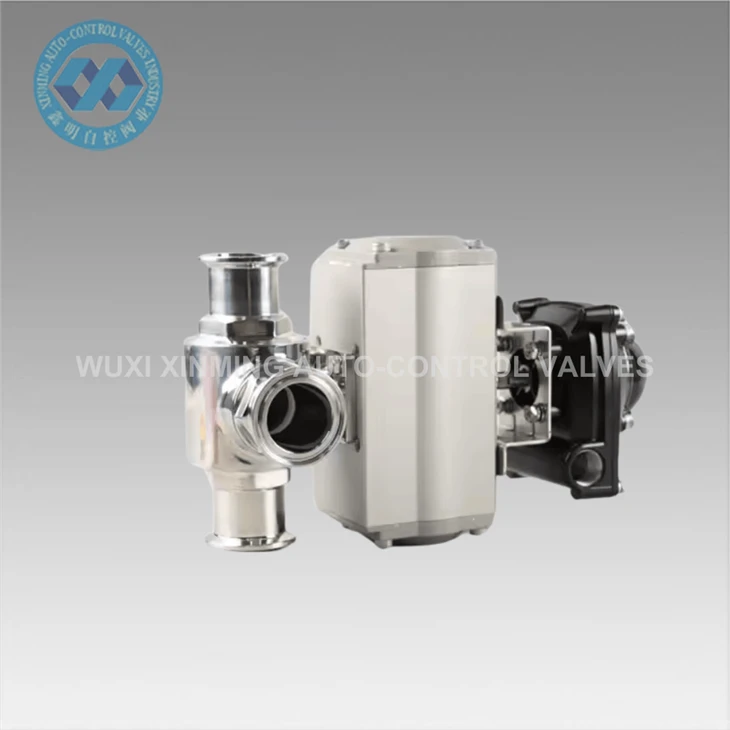
As a flange ball valve supplier, we also offer a wide range of other ball valves, such as the L - t Stainless Steel Pneumatic Three - way Ball Valve, which is suitable for complex fluid control applications. Our PVC Ball Valve is a cost - effective solution for low - pressure water systems. And the Pneumatic threaded ball valve is ideal for high - temperature and high - pressure applications.
Conclusion
Correct installation of a flange ball valve is essential for its proper functioning and longevity. By following the steps outlined in this blog post, you can ensure a successful installation. If you have any questions or need further assistance with the installation or selection of a flange ball valve, please feel free to contact us. We are here to provide you with professional advice and high - quality products. Whether you are working on a small - scale project or a large - scale industrial installation, our team of experts can help you find the right solution for your needs. Contact us today to start a procurement discussion and let us help you with your valve requirements.
References
- Valve Installation Manuals from Leading Manufacturers
- Industrial Piping Design and Installation Guidelines