Air filter regulators are essential components in many pneumatic systems, ensuring that compressed air is clean, dry, and at the correct pressure for optimal equipment performance. However, the presence of air impurities can significantly impact the functionality and lifespan of these devices. As a leading supplier of air filter regulators, we understand the importance of addressing this issue and providing our customers with high-quality products that can withstand the challenges posed by contaminated air.

Understanding Air Impurities
Air impurities come in various forms, including dust, dirt, oil, water vapor, and chemical contaminants. These impurities can enter the compressed air system from multiple sources, such as the surrounding environment, the compressor itself, or the pneumatic tools and equipment connected to the system.
Dust and dirt particles are common contaminants that can cause abrasion and damage to the internal components of an air filter regulator. Over time, these particles can accumulate on the filter element, reducing its efficiency and increasing the pressure drop across the regulator. This can lead to decreased airflow, inconsistent pressure regulation, and ultimately, premature failure of the device.
Oil and water vapor are also significant concerns in compressed air systems. Oil can originate from the compressor lubrication system or from external sources, such as hydraulic fluids or lubricants used in pneumatic tools. When oil and water vapor are present in the compressed air, they can form a sticky residue that coats the filter element and other internal components. This residue can impede the flow of air, reduce the effectiveness of the filter, and cause corrosion and damage to the regulator.
Chemical contaminants, such as acids, alkalis, and solvents, can also be present in the compressed air, especially in industrial environments. These contaminants can react with the materials used in the air filter regulator, causing degradation, swelling, or embrittlement. This can lead to leaks, reduced performance, and safety hazards.
Impact of Air Impurities on Air Filter Regulators
The presence of air impurities can have several negative impacts on air filter regulators, including:
Reduced Filter Efficiency
As mentioned earlier, dust, dirt, oil, and other contaminants can accumulate on the filter element, reducing its ability to remove impurities from the compressed air. This can result in a decrease in the quality of the filtered air, which can have a detrimental effect on the performance and lifespan of downstream pneumatic equipment.
Increased Pressure Drop
The accumulation of impurities on the filter element can also increase the pressure drop across the air filter regulator. A higher pressure drop means that more energy is required to maintain the desired airflow, which can lead to increased operating costs and reduced efficiency. In some cases, the pressure drop may become so high that the regulator is unable to maintain the required pressure, resulting in inconsistent performance or system failure.
Premature Component Failure
The abrasion and corrosion caused by air impurities can lead to premature failure of the internal components of the air filter regulator. For example, the diaphragm, valve seat, and seals can be damaged by dust and dirt particles, while oil and chemical contaminants can cause degradation of the rubber and plastic materials used in these components. This can result in leaks, loss of pressure regulation, and the need for frequent maintenance and replacement.
Contamination of Downstream Equipment
If the air filter regulator fails to remove impurities from the compressed air, these contaminants can be carried downstream to other pneumatic equipment, such as valves, cylinders, and actuators. This can cause damage to these components, leading to reduced performance, increased maintenance costs, and potential safety hazards.
Choosing the Right Air Filter Regulator for Harsh Environments
To minimize the impact of air impurities on air filter regulators, it is essential to choose the right product for the specific application and environment. At our company, we offer a wide range of air filter regulators designed to meet the needs of various industries and operating conditions.
One of our popular products is the No Worries in Harsh Conditions! Multi-scenario Adaptive Filter Pressure Reducing Valve. This innovative regulator is specifically designed to withstand the challenges of harsh environments, with a high-efficiency filter element that can effectively remove dust, dirt, oil, and water vapor from the compressed air. It also features a robust construction and advanced sealing technology to prevent leaks and ensure reliable performance.
For applications that require precise pressure regulation, we recommend the AW2000-02 Precision Single-Stage Filter Regulator For Air Pumps. This regulator offers excellent pressure stability and accuracy, making it ideal for use in air pumps and other precision pneumatic systems. It is also equipped with a high-quality filter element that can effectively remove impurities from the compressed air, ensuring clean and reliable operation.
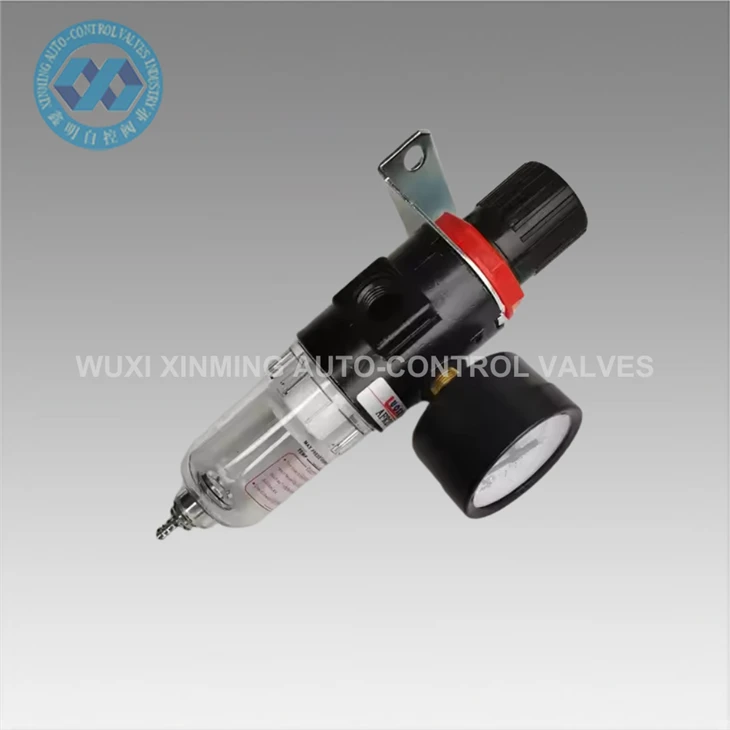
If you need a regulator with a pressure gauge for easy monitoring of the system pressure, our Air Filter Regulator with Pressure Gauge is the perfect choice. This regulator combines the functions of a filter, regulator, and pressure gauge in a single compact unit, providing a convenient and cost-effective solution for pneumatic systems.
Maintenance and Care of Air Filter Regulators
In addition to choosing the right air filter regulator, proper maintenance and care are essential to ensure its long-term performance and reliability. Here are some tips for maintaining your air filter regulator:
Regular Filter Replacement
The filter element is the most critical component of the air filter regulator, as it is responsible for removing impurities from the compressed air. Over time, the filter element will become clogged with contaminants, reducing its efficiency and increasing the pressure drop. It is recommended to replace the filter element at regular intervals, depending on the operating conditions and the level of contamination.
Drain the Condensate
Most air filter regulators are equipped with a condensate drain to remove water and oil from the system. It is important to drain the condensate regularly to prevent it from accumulating in the regulator and causing damage to the internal components. Some regulators have an automatic drain, while others require manual draining.
Inspect and Clean the Regulator
Periodically inspect the air filter regulator for signs of damage, wear, or contamination. Clean the exterior of the regulator with a soft cloth and mild detergent, and check the internal components for any signs of corrosion or damage. If necessary, replace any worn or damaged parts to ensure the proper functioning of the regulator.
Follow the Manufacturer's Recommendations
Always follow the manufacturer's recommendations for installation, operation, and maintenance of the air filter regulator. This includes using the correct type and size of filter element, ensuring proper installation and alignment, and performing regular maintenance and inspections.
Conclusion
Air impurities can have a significant impact on the performance and lifespan of air filter regulators. By understanding the types of impurities and their effects, choosing the right regulator for the application, and implementing proper maintenance and care practices, you can minimize the risk of problems and ensure the reliable operation of your pneumatic systems.
As a leading supplier of air filter regulators, we are committed to providing our customers with high-quality products and excellent customer service. If you have any questions or need assistance in selecting the right air filter regulator for your application, please do not hesitate to contact us. We look forward to working with you to meet your pneumatic system needs and help you achieve optimal performance and efficiency.
References
- Compressed Air and Gas Handbook, 4th Edition, by Gary W. Bloch and Fred K. Geitner
- Pneumatic Systems Design and Application, 2nd Edition, by James A. Rehg and Gary L. Scheidler
- Air Compressor Handbook, 3rd Edition, by Heinz P. Bloch and Fred K. Geitner