In the complex and demanding environment of a chemical plant, the choice of valves is crucial for ensuring the safe and efficient operation of various processes. Among the many types of valves available, the Lug Butterfly Valve stands out due to its unique design and functionality. As a Lug Butterfly Valve supplier, I understand the importance of these valves having the right chemical resistance properties to withstand the harsh chemicals commonly found in chemical plants.
Understanding the Chemical Environment in a Chemical Plant
Chemical plants deal with a wide range of chemicals, each with its own set of properties and potential hazards. These chemicals can be corrosive, reactive, or toxic, and they can pose significant challenges to the materials used in valves. Some of the common chemicals encountered in chemical plants include acids such as sulfuric acid, hydrochloric acid, and nitric acid; alkalis like sodium hydroxide and potassium hydroxide; solvents such as benzene, toluene, and xylene; and various salts and gases.
The chemical environment in a chemical plant can also vary depending on the specific process and location within the plant. For example, areas near chemical storage tanks or reaction vessels may be exposed to higher concentrations of chemicals, while areas further away may have lower exposure levels. Additionally, factors such as temperature, pressure, and flow rate can also affect the chemical resistance requirements of valves.
Key Chemical Resistance Properties for Lug Butterfly Valves
Corrosion Resistance
Corrosion is one of the most significant challenges faced by valves in a chemical plant. When a valve is exposed to corrosive chemicals, it can lead to the deterioration of the valve's materials, resulting in leaks, reduced performance, and ultimately, failure. Therefore, a Lug Butterfly Valve should have excellent corrosion resistance to ensure its long - term reliability.
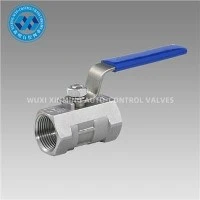
Materials such as stainless steel are commonly used in the construction of Lug Butterfly Valves due to their good corrosion resistance. Stainless Steel Butterfly Valve is a popular choice as it can withstand a wide range of corrosive chemicals, including acids, alkalis, and salts. However, the specific grade of stainless steel needs to be carefully selected based on the type and concentration of the chemicals it will be exposed to. For example, in highly corrosive environments, a higher - grade stainless steel such as 316L may be required.
Chemical Compatibility
Chemical compatibility refers to the ability of a valve's materials to resist chemical attack from the specific chemicals it comes into contact with. Different chemicals can react with different materials in various ways, and a valve that is not chemically compatible with the chemicals in a plant can experience swelling, cracking, or dissolution.
When selecting a Lug Butterfly Valve for a chemical plant, it is essential to consider the chemical compatibility of all the valve components, including the body, disc, seat, and stem. For example, if the valve will be used in a process involving organic solvents, a valve with a seat material that is resistant to solvent attack, such as PTFE (polytetrafluoroethylene), should be chosen. PTFE has excellent chemical resistance to a wide range of organic and inorganic chemicals, making it a suitable choice for many chemical applications.
Resistance to Oxidation and Reduction
In addition to corrosion and chemical compatibility, a Lug Butterfly Valve should also have good resistance to oxidation and reduction reactions. Oxidation can occur when a valve is exposed to oxidizing agents such as oxygen, ozone, or hydrogen peroxide, while reduction can occur in the presence of reducing agents such as hydrogen or metal hydrides.
Materials that are resistant to oxidation and reduction can help prevent the degradation of the valve's surface and maintain its performance over time. For example, some alloys contain elements such as chromium and nickel, which can form a protective oxide layer on the surface of the material, providing resistance to oxidation. Similarly, certain polymers can also have good resistance to reduction reactions, making them suitable for use in valve components.
Resistance to High - Temperature Chemicals
Many chemical processes in a plant operate at high temperatures, and the valves used in these processes need to be able to withstand the combined effects of high temperature and chemical exposure. High - temperature chemicals can accelerate the corrosion and chemical degradation of valve materials, leading to premature failure.
A Lug Butterfly Valve designed for high - temperature chemical applications should be made of materials with high - temperature resistance. For example, some special alloys can maintain their mechanical properties and chemical resistance at elevated temperatures. Additionally, the valve's design should also take into account the thermal expansion and contraction of the materials to ensure proper sealing and operation at high temperatures.
Meeting the Chemical Resistance Requirements
As a Lug Butterfly Valve supplier, we take several steps to ensure that our valves meet the strict chemical resistance requirements of chemical plants.
Material Selection
We carefully select the materials for our Lug Butterfly Valves based on the specific chemical environment in which they will be used. Our team of experts analyzes the chemical composition, concentration, temperature, and pressure of the chemicals to determine the most suitable materials. We offer a wide range of valve materials, including different grades of stainless steel, alloys, and polymers, to meet the diverse needs of our customers.
Quality Control
We have a strict quality control system in place to ensure that all our valves meet the highest standards of chemical resistance. From the raw material inspection to the final product testing, every step of the manufacturing process is closely monitored. We conduct various tests, such as chemical immersion tests, corrosion resistance tests, and pressure tests, to verify the performance and reliability of our valves.
Customization
We understand that each chemical plant has unique requirements, and we offer customized solutions to meet these needs. Whether it is a special valve size, a specific material combination, or a particular design feature, we can work with our customers to develop a Lug Butterfly Valve that is tailored to their specific chemical application.
Conclusion
In a chemical plant, the chemical resistance properties of a Lug Butterfly Valve are of utmost importance for ensuring the safety and efficiency of the plant's operations. A valve with excellent corrosion resistance, chemical compatibility, resistance to oxidation and reduction, and high - temperature resistance can help prevent leaks, reduce maintenance costs, and extend the service life of the valve.
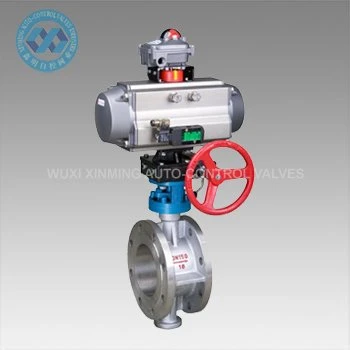
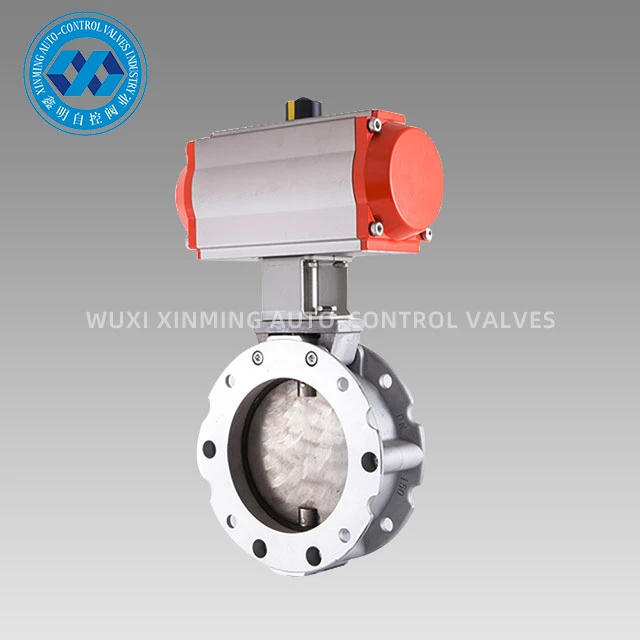
As a reliable Lug Butterfly Valve supplier, we are committed to providing high - quality valves that meet the strict chemical resistance requirements of chemical plants. Our Pneumatic Sanitary Butterfly Valve With Low Leakage Rate and Pneumatic Actuator Powder Aluminum Butterfly Valve are just some of the products that offer excellent chemical resistance and performance.
If you are in the market for a Lug Butterfly Valve for your chemical plant, we invite you to contact us for a detailed discussion about your specific requirements. Our team of experts will be happy to assist you in selecting the right valve and providing you with the best possible solution.
References
- ASM Handbook, Volume 13A: Corrosion: Fundamentals, Testing, and Protection, ASM International.
- Perry's Chemical Engineers' Handbook, McGraw - Hill Education.