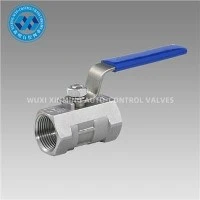
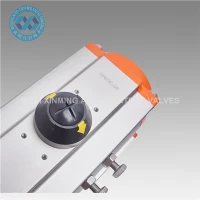
Installing a welded ball valve in a pipeline is a crucial process that requires precision and adherence to specific guidelines. As a reputable welded ball valve supplier, I understand the importance of providing comprehensive guidance on this topic. In this blog post, I will walk you through the step-by-step process of installing a welded ball valve in a pipeline, ensuring a safe and efficient installation.
Step 1: Preparation
Before you begin the installation process, it is essential to gather all the necessary tools and materials. Here is a list of items you will need:
- Welded ball valve
- Pipe cutter or saw
- Welding equipment (if required)
- Pipe fittings
- Sealant or gasket
- Measuring tape
- Wrench or pliers
- Safety equipment (gloves, goggles, etc.)
Additionally, you should thoroughly inspect the pipeline and the welded ball valve for any damage or defects. Ensure that the valve is the correct size and type for your pipeline system.
Step 2: Pipeline Preparation
The next step is to prepare the pipeline for the installation of the welded ball valve. Start by shutting off the flow of fluid in the pipeline and relieving any pressure. This can be done by closing the upstream and downstream valves and opening a drain valve to release the pressure.
Once the pressure is relieved, use a pipe cutter or saw to cut the pipeline at the appropriate location for the valve installation. Make sure the cut is clean and straight, as any irregularities can affect the sealing performance of the valve.
After cutting the pipeline, use a deburring tool to remove any burrs or sharp edges from the cut ends. This will prevent damage to the valve and ensure a proper seal.
Step 3: Valve Installation
Now it's time to install the welded ball valve in the pipeline. Begin by aligning the valve with the cut ends of the pipeline. Make sure the valve is positioned correctly and that the flow direction arrow on the valve body matches the direction of fluid flow in the pipeline.
If the valve is designed for welding, use a welding machine to weld the valve to the pipeline. Follow the manufacturer's instructions for the specific welding process and parameters. Ensure that the welds are strong and leak-free.
If the valve is designed for mechanical connection, use pipe fittings and a sealant or gasket to connect the valve to the pipeline. Tighten the fittings securely using a wrench or pliers, but be careful not to over-tighten, as this can damage the valve or the pipeline.
Step 4: Testing
Once the valve is installed, it is important to test the system to ensure that it is functioning properly. Start by opening the upstream and downstream valves and slowly allowing the fluid to flow through the pipeline. Check for any leaks around the valve and the connections.
If you detect any leaks, shut off the flow of fluid and tighten the fittings or repair the welds as necessary. Repeat the testing process until the system is leak-free.
Step 5: Final Checks
After testing the system, perform a final check to ensure that everything is in order. Check the valve operation by opening and closing it several times to make sure it moves smoothly and seals properly.
Inspect the pipeline and the valve for any signs of damage or stress. Make sure all the connections are tight and secure.
Conclusion
Installing a welded ball valve in a pipeline requires careful planning and execution. By following the steps outlined in this blog post, you can ensure a safe and efficient installation. Remember to always use the appropriate tools and materials, and follow the manufacturer's instructions for the specific valve and pipeline system.
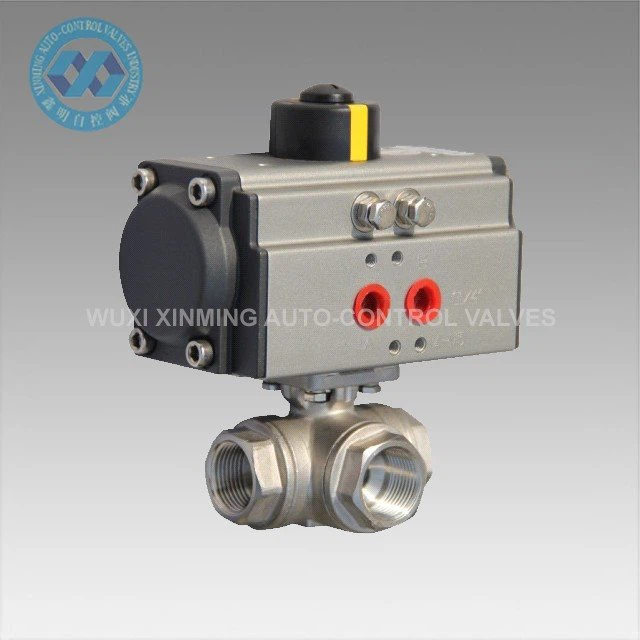

If you are in the market for high-quality welded ball valves, we are a leading supplier of Three Stage Pneumatic Rotary Actuator Ball Valve Made in China, High Quality Stainless Steel Pneumatic Three-way Ball Valve, and Pneumatic Ball Valve. Our valves are designed to meet the highest standards of quality and performance, and we offer a wide range of options to suit your specific needs.
If you have any questions or would like to discuss your valve requirements, please feel free to contact us. We look forward to working with you.
References
- Manufacturer's instructions for the welded ball valve
- Pipeline installation guidelines
- Welding standards and procedures