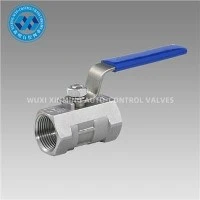
As a supplier of Thread Ball Valves, I understand the importance of proper maintenance to ensure the longevity and efficient operation of these vital components. One crucial aspect of maintenance is lubrication. In this blog, I'll guide you through the process of lubricating a Thread Ball Valve, explaining why it's necessary and providing detailed steps to follow.
Why Lubricate a Thread Ball Valve?
Lubrication plays a fundamental role in the performance of a Thread Ball Valve. Firstly, it reduces friction between moving parts. In a ball valve, the ball rotates within the valve body to control the flow of fluid. Without proper lubrication, the friction can cause wear and tear on the ball and the valve seats, leading to leaks and reduced efficiency over time.
Secondly, lubrication helps to prevent corrosion. Valves are often exposed to harsh environments, including chemicals and water, which can cause rust and corrosion. A good lubricant creates a protective barrier that shields the metal parts of the valve from these corrosive elements, extending the valve's lifespan.
Finally, lubrication enhances the valve's sealing performance. By reducing friction and preventing wear, the valve can maintain a tight seal, preventing any unwanted leakage of fluids. This is especially important in applications where even a small leak can be costly or dangerous.
Types of Lubricants
Before you start lubricating your Thread Ball Valve, it's essential to choose the right lubricant. The type of lubricant you select depends on several factors, including the type of fluid the valve will be handling, the operating temperature, and the material of the valve components.
- Petroleum-based lubricants: These are commonly used for general-purpose applications. They offer good lubrication and corrosion protection, but they may not be suitable for use with certain chemicals or in high-temperature environments.
- Synthetic lubricants: These are designed to withstand extreme temperatures and harsh chemicals. They offer superior lubrication and longer service life compared to petroleum-based lubricants, but they can be more expensive.
- Food-grade lubricants: If your Thread Ball Valve will be used in the food and beverage industry or any other application where contact with food is possible, you must use a food-grade lubricant. These lubricants are non-toxic and meet strict safety standards.
Steps to Lubricate a Thread Ball Valve
Now that you understand the importance of lubrication and have chosen the right lubricant, let's walk through the steps to lubricate a Thread Ball Valve.
Step 1: Prepare the Valve
Before you start lubricating the valve, make sure it is completely shut off and the pressure is relieved. This will prevent any fluid from leaking out during the lubrication process. You should also clean the valve thoroughly to remove any dirt, debris, or old lubricant. Use a soft brush or a cloth to clean the valve body, the ball, and the valve seats.
Step 2: Locate the Lubrication Ports
Most Thread Ball Valves have lubrication ports specifically designed for adding lubricant. These ports are usually located on the valve body, near the stem. Refer to the valve's instruction manual or consult with the manufacturer if you're having trouble finding the lubrication ports.
Step 3: Apply the Lubricant
Once you've located the lubrication ports, use a lubrication gun or a syringe to apply the lubricant. Slowly inject the lubricant into the ports, making sure to fill them completely. Be careful not to overfill the ports, as this can cause the lubricant to leak out and create a mess.
Step 4: Operate the Valve
After applying the lubricant, operate the valve several times to distribute the lubricant evenly throughout the valve. This will help to ensure that all the moving parts are properly lubricated and that the valve functions smoothly.
Step 5: Check for Leaks
Once you've finished lubricating and operating the valve, check for any leaks. Look for signs of fluid leakage around the valve body, the stem, and the connections. If you notice any leaks, tighten the connections or replace the seals as necessary.
Maintenance Tips
In addition to regular lubrication, there are several other maintenance tips you can follow to keep your Thread Ball Valve in optimal condition.
- Inspect the valve regularly: Check the valve for any signs of wear, damage, or corrosion. If you notice any issues, address them immediately to prevent further damage.
- Keep the valve clean: Regularly clean the valve to remove any dirt, debris, or contaminants. This will help to prevent the build-up of deposits that can affect the valve's performance.
- Store the valve properly: If you need to store the valve for an extended period, make sure it is cleaned and lubricated before storage. Store the valve in a dry, cool place to prevent corrosion.
Our Product Offerings
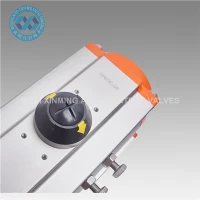
As a supplier of Thread Ball Valves, we offer a wide range of high-quality valves to meet your specific needs. Our Thread Ball Valve is designed for reliable performance and long-lasting durability. We also offer other types of ball valves, such as PVC Ball Valve and Intelligent-driven Double-acting Pneumatic Plastic Actuator Ball Valve For Precise Opening Control, which are suitable for various applications.
Conclusion
Proper lubrication is essential for maintaining the performance and longevity of a Thread Ball Valve. By following the steps outlined in this blog and choosing the right lubricant, you can ensure that your valve operates smoothly and efficiently for years to come. If you have any questions about lubrication or our Thread Ball Valve products, please don't hesitate to contact us for more information and to discuss your purchasing needs.


References
- Engineering Manuals on Valve Maintenance
- Technical Guides from Valve Manufacturers