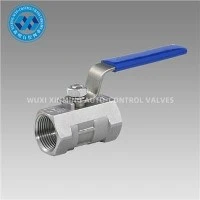
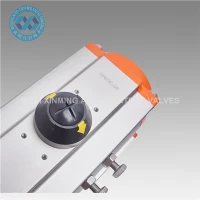
In the contemporary industrial landscape, the pursuit of environmental sustainability has become a critical imperative for businesses across all sectors. As a leading supplier of pneumatic actuators, we recognize the importance of aligning our products and practices with eco - friendly principles. This blog post aims to explore various strategies and approaches to make pneumatic actuators more environmentally friendly.
1. Energy Efficiency Improvements
One of the most significant aspects of making pneumatic actuators more environmentally friendly is enhancing their energy efficiency. Traditional pneumatic systems can be energy - intensive, as they often rely on compressed air, which requires a substantial amount of energy to produce.
Optimizing Compressed Air Generation
The first step in improving energy efficiency is to optimize the generation of compressed air. This can be achieved by using high - efficiency compressors. Modern compressors are designed with advanced technologies such as variable speed drives (VSD). VSD compressors can adjust their speed according to the actual demand for compressed air, reducing energy consumption during periods of low demand. For example, if a production line has varying levels of activity throughout the day, a VSD compressor can automatically slow down when the demand for pneumatic actuators is low, saving a significant amount of energy.
Reducing Air Leakage
Air leakage is a major source of energy waste in pneumatic systems. Even small leaks can accumulate over time and result in a large amount of wasted compressed air. Regular maintenance and inspection of pneumatic actuators and the entire pneumatic system are essential to detect and repair leaks promptly. Utilizing advanced leak detection technologies, such as ultrasonic leak detectors, can help identify leaks that are not visible to the naked eye. By reducing air leakage, we can not only save energy but also extend the lifespan of the pneumatic actuators, as they will operate more efficiently.
Improving Actuator Design
The design of pneumatic actuators also plays a crucial role in energy efficiency. For instance, Rack And Pinion Pneumatic Actuator can be designed with optimized internal components to reduce friction. Lower friction means that less energy is required to move the actuator, resulting in energy savings. Additionally, advanced materials can be used in the construction of actuators to reduce their weight. Lighter actuators require less energy to operate, especially in applications where the actuator needs to move frequently.
2. Material Selection
The choice of materials used in the manufacturing of pneumatic actuators can have a significant impact on their environmental footprint.
Using Sustainable Materials
We can opt for sustainable materials such as recycled metals and bio - based polymers. Recycled metals, like recycled aluminum, can be used in the production of Aluminum Alloy Spring Reset Pneumatic Actuator, Double - acting Pneumatic Rotary Actuator. Using recycled materials reduces the need for mining and refining new metals, which is an energy - intensive and environmentally damaging process. Bio - based polymers, on the other hand, are derived from renewable resources such as plants. They have a lower carbon footprint compared to traditional petroleum - based polymers and can be used in various components of the actuator, such as seals and gaskets.
Minimizing Toxic Substances
It is essential to avoid using toxic substances in the manufacturing of pneumatic actuators. Some traditional materials may contain heavy metals or harmful chemicals that can pose a risk to the environment and human health. By carefully selecting materials that are free from toxic substances, we can ensure that the actuators are not only environmentally friendly but also safer to use in various applications. For example, we can use non - toxic lubricants in the actuators to reduce the potential for environmental contamination.
3. End - of - Life Management
Proper end - of - life management of pneumatic actuators is another important aspect of making them more environmentally friendly.
Recycling and Reuse
When a pneumatic actuator reaches the end of its useful life, it should be recycled or reused whenever possible. Many components of the actuator, such as metals and plastics, can be recycled and used in the production of new products. Additionally, some actuators can be refurbished and reused in less demanding applications. This not only reduces waste but also conserves resources. We can establish a recycling and reuse program for our customers, providing them with incentives to return their used actuators.
Disposal Considerations
In cases where recycling or reuse is not feasible, proper disposal of the actuator is crucial. The actuator should be disposed of in accordance with environmental regulations to prevent pollution. For example, any remaining lubricants or fluids in the actuator should be drained and disposed of properly. By following strict disposal guidelines, we can minimize the environmental impact of the end - of - life phase of the actuator.
4. Smart Control and Monitoring
Implementing smart control and monitoring systems for pneumatic actuators can significantly improve their environmental performance.

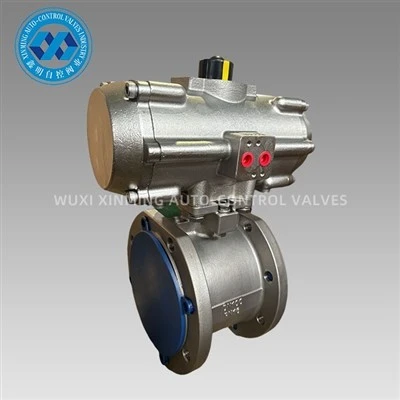
Predictive Maintenance
Smart sensors can be installed on pneumatic actuators to monitor their performance in real - time. These sensors can detect early signs of wear and tear, such as changes in pressure, temperature, or vibration. By using predictive maintenance algorithms, we can predict when a component is likely to fail and schedule maintenance in advance. This reduces the risk of unexpected breakdowns, which can lead to energy waste and increased environmental impact. For example, if a sensor detects a gradual increase in friction in an actuator, maintenance can be carried out before the actuator fails completely, ensuring that it continues to operate efficiently.
Adaptive Control
Adaptive control systems can adjust the operation of pneumatic actuators based on the actual operating conditions. For instance, in a manufacturing process where the load on the actuator varies, an adaptive control system can adjust the air pressure supplied to the actuator to ensure that it operates with the minimum amount of energy required. This not only improves energy efficiency but also reduces the wear and tear on the actuator, extending its lifespan.
5. Application - Specific Optimization
Different applications of pneumatic actuators have different environmental requirements. By optimizing the actuators for specific applications, we can further reduce their environmental impact.
Process - Oriented Design
In some applications, such as in the food and beverage industry, the actuators need to be designed to meet strict hygiene standards. By using materials that are easy to clean and resistant to corrosion, we can reduce the need for harsh cleaning chemicals, which can be harmful to the environment. In other applications, such as in the automotive industry, where high - speed and high - precision operation is required, the actuator can be designed to operate with maximum efficiency, minimizing energy consumption.
Integration with Other Systems
Pneumatic actuators can be integrated with other systems, such as electrical or hydraulic systems, to achieve better overall performance and environmental efficiency. For example, in a hybrid system, the pneumatic actuator can work in conjunction with an electric motor to provide the required power while minimizing energy consumption. This integration can be tailored to the specific needs of the application, resulting in a more environmentally friendly solution.
Conclusion
Making pneumatic actuators more environmentally friendly is a multi - faceted challenge that requires a comprehensive approach. By focusing on energy efficiency improvements, material selection, end - of - life management, smart control and monitoring, and application - specific optimization, we can significantly reduce the environmental footprint of our pneumatic actuators. As a pneumatic actuator supplier, we are committed to implementing these strategies in our products and services. We encourage our customers to work with us to achieve a more sustainable future. If you are interested in our environmentally friendly pneumatic actuators or have any questions about our products, please contact us for procurement and further discussions.
References
- ASHRAE. (2019). Energy - efficient compressed air systems.
- ISO 14001. (2015). Environmental management systems - Requirements with guidance for use.
- European Union. (2018). Directive 2012/19/EU on waste electrical and electronic equipment (WEEE).