As a trusted supplier of vacuum ball valves, I understand the significance of proper installation for ensuring the optimal performance and longevity of these essential components. In this blog post, I will delve into the key installation requirements for vacuum ball valves, providing valuable insights to help you achieve a successful installation.
1. Site Preparation
Before installing a vacuum ball valve, it is crucial to prepare the installation site carefully. The site should be clean, dry, and free from any debris or contaminants that could potentially damage the valve or affect its performance. Additionally, the area should have sufficient space to accommodate the valve and allow for easy access for maintenance and operation.
Ensure that the pipeline system where the valve will be installed is properly aligned and supported. Misaligned pipes can cause excessive stress on the valve, leading to premature wear and potential leakage. Use appropriate pipe supports and hangers to prevent any movement or vibration that could impact the valve's integrity.
2. Valve Selection and Inspection
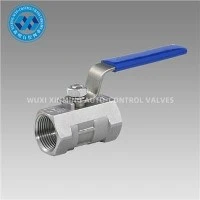
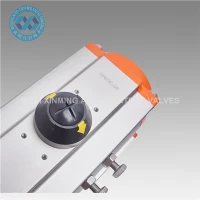
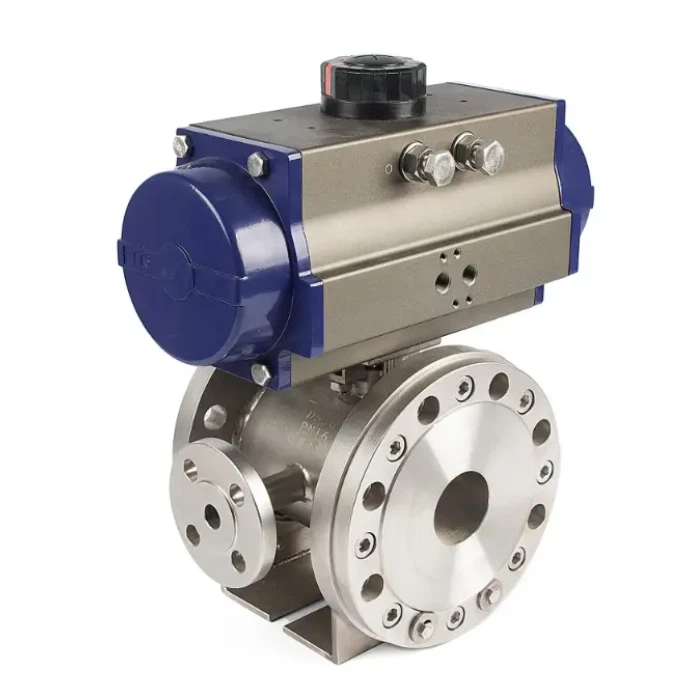
Selecting the right vacuum ball valve for your specific application is essential. Consider factors such as the required flow rate, pressure rating, temperature range, and the type of media being handled. At our company, we offer a wide range of high-quality vacuum ball valves, including Thread Ball Valve, Pneumatic Ball Valve For Precision Control And Industrial Flow Regulation, and Stainless Steel Flanged Floating Jacketed Ball Valve For Investment Casting, to meet diverse customer needs.
Before installation, thoroughly inspect the valve to ensure it is in good condition and free from any damage or defects. Check for any signs of corrosion, scratches, or misalignment. Verify that all the necessary components, such as gaskets, seals, and fasteners, are included and in proper working order.
3. Cleaning and Lubrication
Cleaning the valve and the pipeline system is an important step in the installation process. Remove any dirt, grease, or other contaminants from the valve body, ball, seats, and other internal components. Use a suitable cleaning agent and a soft brush or cloth to ensure a thorough cleaning.
Lubrication is also crucial for the smooth operation of the vacuum ball valve. Apply a thin layer of compatible lubricant to the ball, seats, and stem to reduce friction and prevent wear. Make sure to use a lubricant that is suitable for the specific application and the type of media being handled.
4. Installation Orientation
The correct installation orientation of the vacuum ball valve is essential for its proper functioning. Most vacuum ball valves are designed to be installed in a horizontal position, with the stem in a vertical orientation. This ensures that the ball is properly seated and that the valve can operate smoothly.

However, some applications may require the valve to be installed in a vertical position. In such cases, it is important to consult the valve manufacturer's instructions to ensure that the valve is installed correctly and that any additional support or modifications are made as necessary.
5. Connection and Sealing
Proper connection and sealing are critical to prevent leakage and ensure the integrity of the vacuum system. Depending on the type of valve and the pipeline system, different connection methods may be used, such as threaded connections, flanged connections, or welded connections.
When making threaded connections, use a suitable thread sealant to prevent leakage. Make sure to tighten the connections to the recommended torque specification to avoid over-tightening, which can damage the threads or the valve.
For flanged connections, use appropriate gaskets to ensure a tight seal. Align the flanges properly and tighten the bolts evenly to prevent any uneven stress on the valve.
In the case of welded connections, ensure that the welding is performed by a qualified welder using the appropriate welding procedure. After welding, inspect the weld for any defects and perform any necessary post-weld heat treatment.
6. Testing and Commissioning
Once the vacuum ball valve is installed, it is important to perform a thorough testing and commissioning process to ensure that it is functioning properly. Start by conducting a visual inspection to check for any signs of leakage or damage. Then, perform a pressure test to verify the integrity of the valve and the pipeline system.
During the pressure test, gradually increase the pressure to the specified test pressure and hold it for a sufficient period of time to check for any leaks. Monitor the pressure gauge closely and look for any abnormal pressure drops or fluctuations.
After the pressure test, perform a functional test to ensure that the valve can open and close smoothly. Operate the valve several times to verify its operation and check for any signs of binding or excessive resistance.
7. Maintenance and Monitoring
Regular maintenance and monitoring are essential for the long-term performance and reliability of the vacuum ball valve. Establish a maintenance schedule and perform routine inspections, cleaning, and lubrication as recommended by the valve manufacturer.
Monitor the valve's performance regularly by checking for any signs of leakage, abnormal noise, or changes in operating conditions. Keep a record of the valve's operation and maintenance history to track its performance over time and to identify any potential issues before they become major problems.
In conclusion, proper installation of a vacuum ball valve is essential for its optimal performance and longevity. By following the installation requirements outlined in this blog post, you can ensure a successful installation and avoid potential problems down the road. At our company, we are committed to providing high-quality vacuum ball valves and excellent customer service. If you have any questions or need further assistance with the installation or maintenance of your vacuum ball valve, please feel free to contact us. We look forward to working with you and helping you meet your vacuum valve needs.
References
- Valve Manufacturer's Installation and Maintenance Manuals
- Industry Standards and Guidelines for Vacuum System Installation