

Hey there! As a PVC ball valve supplier, I've seen firsthand how different environmental conditions can mess with the performance of these valves. One of the most common issues we get asked about is how cold temperatures affect PVC ball valves. So, I thought I'd take a deep dive into this topic and share what I've learned.
First off, let's talk about what PVC ball valves are. PVC, or polyvinyl chloride, is a type of plastic that's widely used in the valve industry because it's lightweight, corrosion-resistant, and relatively inexpensive. A ball valve, on the other hand, is a type of valve that uses a ball to control the flow of fluid through a pipe. When the ball is turned, it either allows fluid to pass through or blocks it off.
Now, when it comes to cold temperatures, PVC has some unique properties that can cause problems for ball valves. PVC is a thermoplastic, which means it becomes more rigid and brittle as the temperature drops. This is due to the molecular structure of PVC. At higher temperatures, the molecules are more flexible and can move around freely. But as the temperature decreases, the molecules start to lock into place, making the material stiffer.
One of the most obvious effects of cold temperatures on PVC ball valves is the increased risk of cracking. When PVC becomes brittle, it's more likely to break under stress. This can happen if the valve is subjected to pressure changes, such as when the fluid flow is suddenly stopped or started. Even a small crack can lead to leaks, which can be a big problem in industrial settings.
Another issue is the reduced flexibility of the valve components. The ball inside the valve needs to be able to rotate smoothly to control the flow of fluid. But in cold temperatures, the PVC parts may become so rigid that the ball can't turn properly. This can result in a valve that's difficult to operate or that doesn't fully open or close.
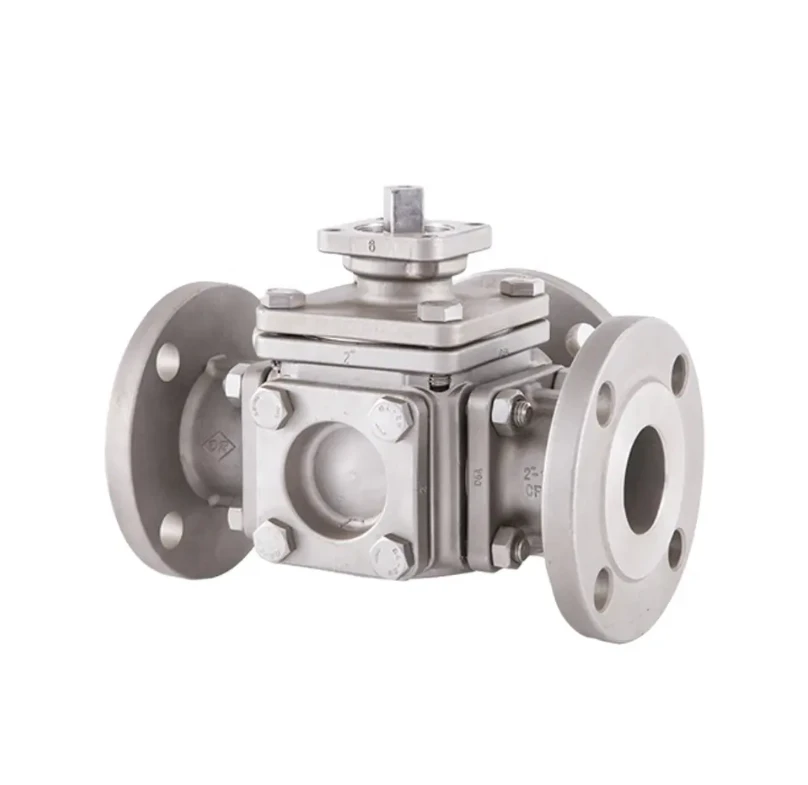

Cold temperatures can also affect the seals in PVC ball valves. Most PVC ball valves use rubber or elastomeric seals to prevent leaks. These seals are designed to be flexible and conform to the surface of the valve components. However, in cold weather, the rubber can become hard and lose its elasticity. This can lead to gaps between the seals and the valve parts, allowing fluid to leak past the seals.
In addition to these mechanical issues, cold temperatures can also impact the performance of the valve in terms of flow rate. As the PVC becomes more rigid, the internal diameter of the valve may decrease slightly. This can restrict the flow of fluid through the valve, reducing the overall flow rate. In industrial applications where precise flow control is required, this can be a significant problem.
So, what can you do to mitigate these issues? Well, one option is to use insulation. Wrapping the PVC ball valve and the surrounding pipes with insulation can help to keep the temperature of the valve more stable. This can prevent the PVC from becoming too cold and brittle. There are various types of insulation materials available, such as foam insulation or heat tape.
Another solution is to use PVC ball valves that are specifically designed for cold weather applications. These valves are made from special formulations of PVC that are more resistant to cold temperatures. They may also have improved seals and other components that are better able to withstand the effects of cold.
If you're in the market for a PVC ball valve, we offer a range of high-quality products. For example, our 2PC Thread Ball Valve is a great option for many applications. It's made from durable PVC and has a reliable design. We also have the Pneumatic Ball Valve For Precision Control And Industrial Flow Regulation, which is perfect for applications where precise control is needed. And if you need a more complex valve, our 3 Way Ball Valve With 180 Degree Turn Pneumatic Actuator is a great choice.
In conclusion, cold temperatures can have a significant impact on the performance of PVC ball valves. The increased brittleness, reduced flexibility, and potential seal problems can all lead to issues such as cracking, leaks, and reduced flow rates. However, by taking the right precautions, such as using insulation and choosing the right valve for the job, you can minimize these problems.
If you're interested in learning more about our PVC ball valves or have any questions about how they perform in cold temperatures, don't hesitate to get in touch. We're here to help you find the best valve solution for your needs. Whether you're in the industrial, commercial, or residential sector, we have the expertise and products to meet your requirements. So, why not reach out and start a conversation about your valve needs today?
References
- "Plastics in Engineering Applications" by John M. Margolis
- "Valve Handbook" by Leslie P. Kinsman




