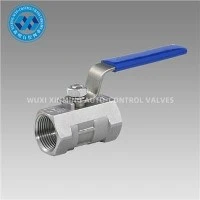
When it comes to industrial operations, the proper use of welded ball valves is crucial for ensuring the safety and efficiency of the entire system. As a leading supplier of welded ball valves, I understand the significance of safety precautions in the usage of these valves. In this blog post, I will delve into the essential safety measures that should be taken when using a welded ball valve.
Pre - installation Safety Checks
Before installing a welded ball valve, a series of safety checks are necessary. First and foremost, inspect the valve for any visible damage. This includes checking for cracks, dents, or scratches on the valve body, ball, and stem. Any such damage can compromise the integrity of the valve and lead to leaks or malfunctions during operation. For instance, a small crack in the valve body may gradually expand under pressure, resulting in a catastrophic failure.
Verify the valve's specifications against the requirements of the system. Ensure that the valve's pressure rating, temperature rating, and flow capacity are suitable for the intended application. Using a valve with a lower pressure rating than required can cause the valve to rupture under high - pressure conditions. Similarly, if the temperature rating is not appropriate, the valve materials may degrade over time, leading to reduced performance and safety risks.
It is also important to check the compatibility of the valve materials with the fluid or gas that will pass through it. Different materials have different chemical resistances. For example, if the valve is made of a material that is not resistant to a corrosive fluid, the valve will corrode quickly, affecting its sealing ability and overall functionality.
Installation Safety
During the installation process, safety is of utmost importance. Ensure that the installation site is clean and free from debris. Any foreign particles that enter the valve during installation can cause damage to the sealing surfaces, leading to leaks.
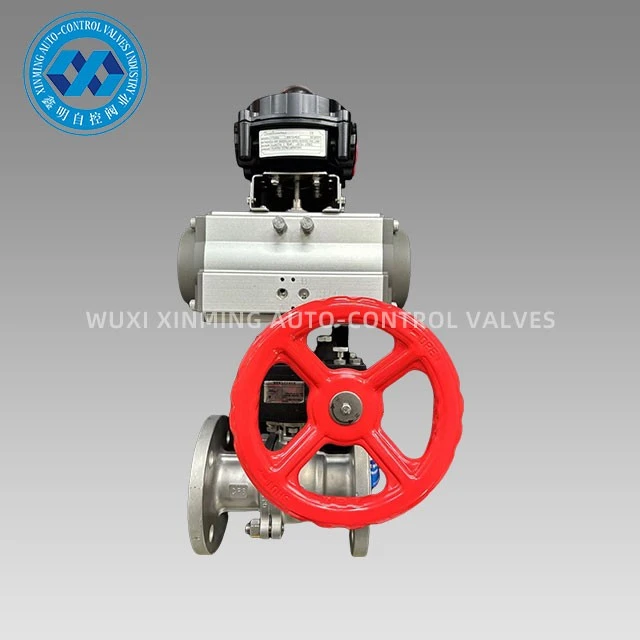
Proper alignment is crucial when installing a welded ball valve. Misalignment can put stress on the valve body and stem, which may cause premature wear and tear. Use appropriate alignment tools to ensure that the valve is installed in a straight line with the pipeline.
When welding the valve to the pipeline, follow proper welding procedures. Use the correct welding materials and techniques to ensure a strong and leak - free joint. Improper welding can lead to weak joints that may fail under pressure. Additionally, take necessary precautions to prevent overheating during the welding process, as excessive heat can damage the valve's internal components.
Operation Safety
Once the welded ball valve is installed, proper operation is essential for safety. Operators should be trained on the correct use of the valve. They should understand how to open and close the valve smoothly. Sudden opening or closing of the valve can cause water hammer, which is a pressure surge in the pipeline. Water hammer can damage the valve, pipeline, and other connected equipment.
Regularly monitor the pressure and temperature of the system. If the pressure or temperature exceeds the valve's rated values, it can pose a serious safety risk. Install pressure and temperature gauges near the valve for easy monitoring. If abnormal pressure or temperature readings are detected, take immediate action to adjust the system or shut down the valve if necessary.
Avoid over - tightening the valve stem. Over - tightening can damage the valve's internal threads and sealing components. Use the recommended torque values when operating the valve.
Maintenance Safety
Regular maintenance is key to ensuring the long - term safety and performance of a welded ball valve. Develop a maintenance schedule and adhere to it. During maintenance, always follow lock - out/tag - out procedures. This means that the valve should be isolated from the power source and marked to prevent accidental operation while maintenance is being carried out.
Inspect the valve's sealing surfaces regularly for wear and damage. Replace any worn or damaged seals promptly. A faulty seal can lead to leaks, which can be dangerous, especially if the fluid or gas being transported is toxic, flammable, or explosive.
Lubricate the valve stem and other moving parts as recommended by the manufacturer. Proper lubrication reduces friction and wear, ensuring smooth operation of the valve.
Special Considerations for Different Types of Welded Ball Valves
There are various types of welded ball valves available in the market, such as Explosion-Proof Pneumatic Ball Valve, Electrical Ball Valve, and Stainless Steel Flanged Floating Jacketed Ball Valve For Investment Casting.
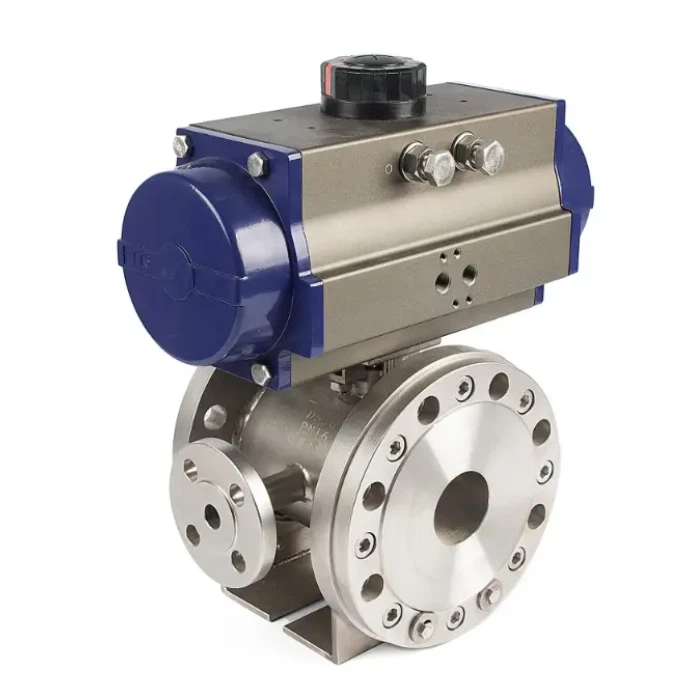
For explosion - proof pneumatic ball valves, ensure that they are installed in areas where there is a risk of explosion. These valves are designed to prevent sparks or other ignition sources from causing an explosion. Regularly check the explosion - proof features of the valve, such as the integrity of the explosion - proof enclosures and the proper functioning of the pneumatic actuators.
Electrical ball valves require special attention to electrical safety. Check the electrical wiring regularly for any signs of damage or loose connections. Ensure that the electrical components are properly grounded to prevent electrical shocks and short circuits.
Stainless steel flanged floating jacketed ball valves are often used in applications where temperature control is important. Check the integrity of the jacket and ensure that the heating or cooling medium is flowing properly through the jacket. Any blockages or leaks in the jacket can affect the temperature control of the valve and the fluid passing through it.
Conclusion
In conclusion, the safety precautions when using a welded ball valve cover every stage from pre - installation checks to regular maintenance. By following these safety measures, we can ensure the reliable and safe operation of the valve, which is essential for the overall safety and efficiency of industrial systems.
As a trusted supplier of welded ball valves, we are committed to providing high - quality products and ensuring that our customers are well - informed about the safety aspects of using our valves. If you are in need of welded ball valves or have any questions regarding their safety and usage, please feel free to contact us for a detailed discussion and procurement negotiation. We look forward to working with you to meet your industrial valve needs.
References
- ASME B16.34 - Valves - Flanged, Threaded, and Welded End.
- API 6D - Pipeline Valves - Specification for Pipeline Valves.
- Manufacturer's manuals for welded ball valves.