Can a Pneumatic Ball Valve be Used for Corrosive Fluids?
In the realm of industrial fluid control, the choice of valves plays a pivotal role in ensuring the smooth and safe operation of various processes. One common question that often arises is whether a Pneumatic Ball Valve can be used for corrosive fluids. As a trusted supplier of Pneumatic Ball Valves, I am here to shed light on this important topic.
Understanding Pneumatic Ball Valves
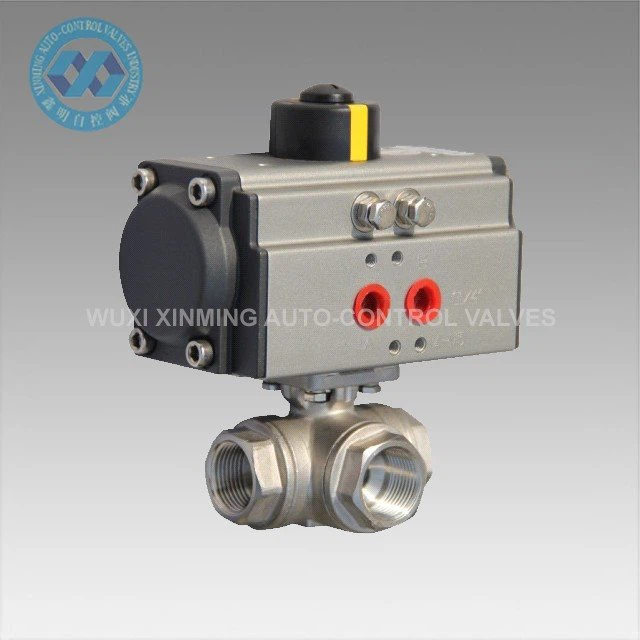
Before delving into the suitability of pneumatic ball valves for corrosive fluids, it is essential to understand what a pneumatic ball valve is. A pneumatic ball valve is a type of quarter - turn valve that uses a hollow, perforated, and pivoting ball to control the flow of fluid through it. The ball has a bore in the middle, and when the valve is open, the bore is in line with the flow path, allowing fluid to pass through. When the valve is closed, the ball is rotated 90 degrees, blocking the flow.
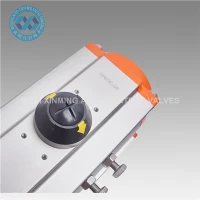
Pneumatic actuation is used to control the movement of the ball. Compressed air is used to power the actuator, which rotates the ball. This type of actuation offers several advantages, such as fast operation, high torque, and the ability to be easily automated.
Characteristics of Corrosive Fluids
Corrosive fluids are substances that have the ability to chemically attack and degrade materials over time. They can be acidic, alkaline, or contain other reactive chemicals. Examples of corrosive fluids include sulfuric acid, hydrochloric acid, sodium hydroxide solutions, and seawater.
The corrosiveness of a fluid depends on several factors, including its chemical composition, concentration, temperature, and pressure. Highly concentrated acids and alkalis are generally more corrosive than dilute solutions. Higher temperatures and pressures can also accelerate the corrosion process.
Factors Affecting the Use of Pneumatic Ball Valves with Corrosive Fluids
When considering using a pneumatic ball valve for corrosive fluids, several factors need to be taken into account:
-
Material Selection
- The materials used in the construction of the valve are crucial. The ball, seat, body, and other internal components must be made of materials that are resistant to the specific corrosive fluid. For example, stainless steel is a common choice for many applications as it offers good corrosion resistance to a wide range of chemicals. However, for more aggressive corrosive fluids, materials such as Hastelloy, titanium, or PTFE - lined components may be required.
- The seat material is particularly important as it comes into direct contact with the fluid. Soft seats made of materials like PTFE or EPDM can provide a good seal and are resistant to many corrosive substances. However, they may have limitations in terms of temperature and pressure.
-
Coating and Lining
- Applying a protective coating or lining to the valve components can enhance their corrosion resistance. For example, epoxy coatings can be used to protect the valve body from corrosion. PTFE lining can be applied to the interior of the valve to provide a non - reactive surface that is resistant to a wide range of chemicals.
-
Design Considerations
- The design of the valve can also affect its performance with corrosive fluids. Valves with smooth internal surfaces and minimal crevices are less likely to trap corrosive fluids, which can reduce the risk of localized corrosion. Additionally, proper drainage and venting features can help prevent the accumulation of corrosive fluids inside the valve.
-
Operating Conditions
- The operating conditions, such as temperature, pressure, and flow rate, can impact the corrosion resistance of the valve. Higher temperatures can increase the rate of corrosion, so the valve materials must be able to withstand the expected temperature range. Similarly, high pressures can put additional stress on the valve components, which may affect their corrosion resistance.
Advantages of Using Pneumatic Ball Valves for Corrosive Fluids
Despite the challenges, there are several advantages to using pneumatic ball valves for corrosive fluids:
-
Fast Operation
- Pneumatic ball valves can be operated quickly, which is beneficial in applications where rapid shut - off is required. This can help prevent the spread of corrosive fluids in case of an emergency.
-
Good Sealing Performance
- The ball - and - seat design of pneumatic ball valves provides a tight seal, which helps prevent leakage of corrosive fluids. This is important for safety and environmental reasons.
-
Automation Compatibility
- Pneumatic ball valves can be easily automated, allowing for remote control and integration into process control systems. This is particularly useful in large - scale industrial applications where precise control of fluid flow is required.
Limitations and Considerations
However, there are also some limitations and considerations when using pneumatic ball valves for corrosive fluids:
-
Cost

- Using corrosion - resistant materials and coatings can significantly increase the cost of the valve. This needs to be balanced against the expected service life and the cost of potential downtime due to valve failure.
-
Maintenance Requirements
- Corrosive fluids can cause wear and damage to the valve components over time. Regular maintenance, including inspection, cleaning, and replacement of worn parts, is essential to ensure the continued performance of the valve.
-
Compatibility with Other Components
- The valve must be compatible with other components in the system, such as pipes, fittings, and pumps. Incompatible materials can lead to galvanic corrosion, which can accelerate the degradation of the valve and other components.
Alternatives to Pneumatic Ball Valves for Corrosive Fluids
In some cases, other types of valves may be more suitable for corrosive fluids. For example, Electrical Ball Valve can be used when electrical actuation is preferred. Electric actuators offer precise control and can be integrated into complex control systems.
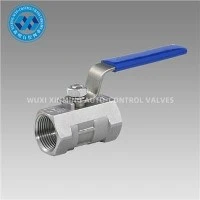
Another alternative is the 1PC Thread Ball Valve, which is a simple and cost - effective option for some applications. These valves are often used in low - pressure and small - scale systems.
Conclusion
In conclusion, a pneumatic ball valve can be used for corrosive fluids, but careful consideration must be given to material selection, coating, design, and operating conditions. With the right choices, pneumatic ball valves can provide reliable and efficient control of corrosive fluid flows.
As a Pneumatic Ball Valve supplier, we have extensive experience in providing valves for a wide range of applications, including those involving corrosive fluids. Our team of experts can help you select the most suitable valve for your specific needs, taking into account all the relevant factors.
If you are in need of a pneumatic ball valve for a corrosive fluid application, or if you have any questions or concerns, please feel free to contact us for a consultation. We are committed to providing high - quality products and excellent customer service to ensure the success of your projects.
References
- ASM Handbook Volume 13A: Corrosion: Fundamentals, Testing, and Protection. ASM International.
- Valve Handbook, 4th Edition. Butterworth - Heinemann.
- Perry's Chemical Engineers' Handbook, 8th Edition. McGraw - Hill.