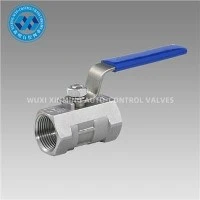
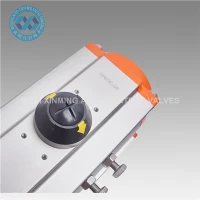
Hey there! As a ball valve supplier, I've seen firsthand how important it is to keep air consumption in check when it comes to pneumatic ball valve actuators. High air consumption not only means higher operating costs but can also put extra strain on your compressed air system. So, in this blog, I'm gonna share some practical tips on how to reduce the air consumption of a pneumatic ball valve actuator.
Understand Your Actuator
First things first, you need to have a good understanding of your pneumatic ball valve actuator. Different actuators have different air consumption characteristics based on their design, size, and operating pressure. For example, double - acting actuators use air to both open and close the valve, while spring - return actuators use air to move the valve in one direction and a spring to move it back.
Double - acting actuators are great for applications where you need precise control and fast operation. But they tend to consume more air because they use compressed air for both strokes. On the other hand, spring - return actuators can be more air - efficient in some cases, especially if the spring can handle the load without excessive air pressure.
If you're in the market for a new actuator, check out our Chinese Pneumatic Actuator Wafer Thin Ball Valve Factory Price. These actuators are designed with efficiency in mind and can offer a good balance between performance and air consumption.
Optimize the Operating Pressure
One of the simplest ways to reduce air consumption is to optimize the operating pressure of your pneumatic actuator. Many times, actuators are operated at higher pressures than necessary. This not only wastes air but can also cause premature wear and tear on the actuator components.
You should determine the minimum pressure required for the actuator to operate smoothly and reliably. This can be done through testing and monitoring. Start by reducing the pressure in small increments and observe the valve's performance. If the valve still operates correctly, keep reducing the pressure until you reach the lowest point where the valve functions properly.
It's important to note that you shouldn't reduce the pressure too much, as this can lead to incomplete valve operation or even valve failure. You can also install pressure regulators and gauges to maintain the optimal pressure and monitor the air consumption.
Use Proper Sizing
Using an actuator that is properly sized for your ball valve is crucial. An oversized actuator will consume more air than necessary because it has more volume to fill with compressed air. On the other hand, an undersized actuator may not be able to operate the valve effectively, which can lead to increased air consumption due to repeated attempts to move the valve.
When selecting an actuator, consider factors such as the valve size, torque requirements, and operating conditions. You can calculate the required torque based on the valve's specifications and the application. Make sure to choose an actuator that can provide the necessary torque without being overly large.
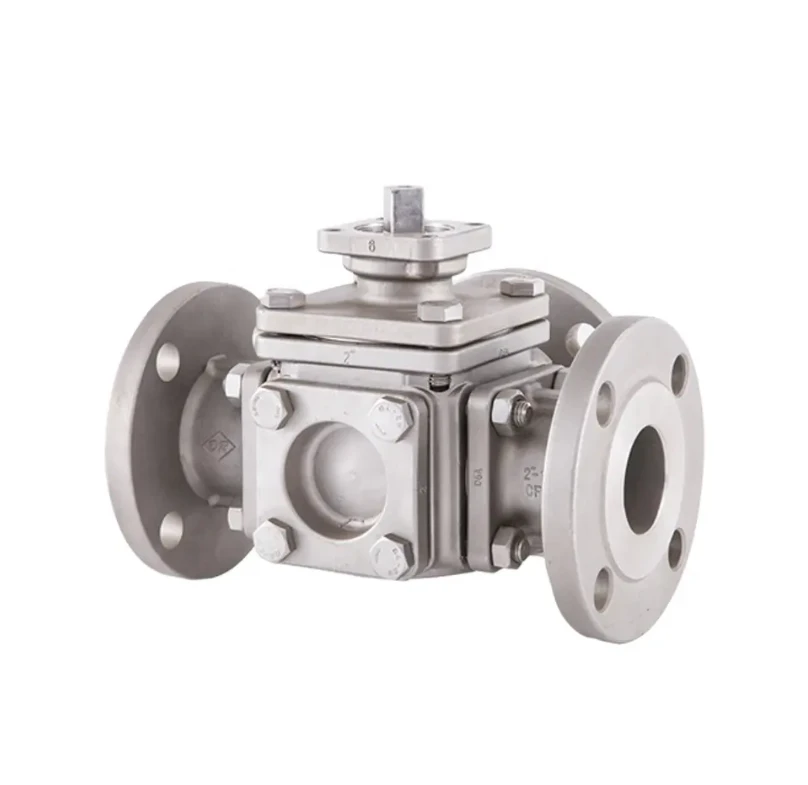
Our 3 Way Ball Valve With 180 Degree Turn Pneumatic Actuator comes in a variety of sizes to ensure a proper fit for different valve applications. This helps in reducing unnecessary air consumption by providing just the right amount of force to operate the valve.
Maintain Your Actuator Regularly
Regular maintenance is key to reducing air consumption. Leaks in the actuator or the pneumatic system can cause a significant amount of air to be wasted. You should inspect the actuator and the associated piping for any signs of leaks on a regular basis.
Check the seals, gaskets, and connections for wear and tear. Replace any damaged components immediately. You can use a soap - water solution to detect leaks. Apply the solution to the suspected areas, and if you see bubbles forming, there's a leak.
In addition to checking for leaks, you should also lubricate the actuator as recommended by the manufacturer. Proper lubrication reduces friction, which in turn reduces the amount of air needed to operate the actuator. Clean the actuator regularly to prevent dirt and debris from interfering with its operation.
Implement Smart Control Strategies
Smart control strategies can also help in reducing air consumption. For example, you can use positioners to control the valve more precisely. Positioners can adjust the air supply to the actuator based on the desired valve position, ensuring that only the necessary amount of air is used.
You can also implement a time - based control system. If the valve doesn't need to be operated frequently, you can set a timer to turn off the air supply when the valve is in a stable position. This can prevent continuous air leakage and reduce overall consumption.
Our Intelligent - driven Double - acting Pneumatic Plastic Actuator Ball Valve For Precise Opening Control is designed with smart control in mind. It uses advanced technology to optimize air consumption and provide precise valve control.

Consider Energy - Saving Accessories
There are several energy - saving accessories that you can add to your pneumatic system to reduce air consumption. For example, air amplifiers can be used to increase the force of the actuator without increasing the air pressure. This means you can get the same performance with less air.
Another option is to use accumulators. Accumulators store compressed air and can release it when needed. This can help in reducing the peak air demand and smoothing out the air consumption over time.
Conclusion
Reducing the air consumption of a pneumatic ball valve actuator is not only good for your bottom line but also for the environment. By understanding your actuator, optimizing the operating pressure, using proper sizing, maintaining the actuator regularly, implementing smart control strategies, and considering energy - saving accessories, you can significantly reduce the amount of air your actuator uses.
If you're interested in learning more about our ball valves and actuators or have any questions about reducing air consumption, feel free to reach out to us for a discussion. We're here to help you find the best solutions for your specific needs.
References
- "Pneumatic Actuator Handbook" - A comprehensive guide on pneumatic actuators and their operation.
- Industry research reports on energy - efficient pneumatic systems.