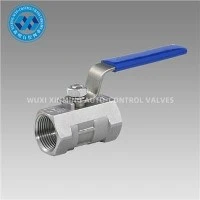
Hey there! As a supplier of thin ball valves, I often get asked if these valves can be used in power generation plants. Well, let's dive right into this topic and find out.
First off, let's understand what a thin ball valve is. A thin ball valve is a type of valve that uses a ball with a hole in it to control the flow of fluid. The ball rotates within the valve body, and when the hole in the ball aligns with the flow path, fluid can pass through. When the ball is rotated so that the hole is perpendicular to the flow path, the flow is stopped. These valves are known for their compact design, which makes them space - saving compared to some other types of valves.
Now, let's talk about power generation plants. Power generation plants are complex facilities that generate electricity from various sources such as coal, natural gas, nuclear energy, hydro, and renewable sources like wind and solar. Each type of power generation has its own unique requirements when it comes to fluid control, including the control of steam, water, gas, and other fluids.
Advantages of Using Thin Ball Valves in Power Generation Plants
Space Efficiency
Power generation plants are often packed with a lot of equipment. Space is at a premium, especially in older plants where retrofitting new equipment can be a challenge. Thin ball valves, with their compact design, can be easily installed in tight spaces. For example, in a steam turbine area where there are numerous pipes and other components, a thin ball valve can fit in without taking up too much room, allowing for more efficient use of the available space.
Quick Operation
In power generation, quick response times are crucial. Thin ball valves can be opened and closed rapidly. This is important in situations where sudden changes in fluid flow need to be controlled, such as during emergency shutdowns or when adjusting the flow rate of steam to a turbine. A fast - acting valve can help prevent damage to equipment and ensure the safety of the plant.
Low Maintenance
These valves generally have fewer moving parts compared to some other valve types. This means less wear and tear and lower maintenance requirements. In a power generation plant, where maintenance can be costly and time - consuming, a valve that requires less attention can save both money and time. For instance, a thin ball valve may not need frequent lubrication or part replacements, reducing the overall maintenance workload.
Challenges and Considerations
High - Pressure and High - Temperature Environments
Power generation plants often operate under high - pressure and high - temperature conditions. For example, in a steam power plant, steam can reach extremely high pressures and temperatures. Thin ball valves need to be designed and constructed to withstand these harsh conditions. Special materials such as Stainless Steel Ball Valve may be required to ensure the valve can operate safely and effectively. The valve's sealing materials also need to be able to handle the high temperatures and pressures without leaking.
Erosion and Corrosion
The fluids flowing through power generation plants can be corrosive or erosive. Water used in cooling systems may contain chemicals that can corrode the valve components. Similarly, the high - velocity flow of steam or gas can cause erosion over time. To combat this, thin ball valves may need to be coated with protective materials or made from corrosion - resistant alloys.
Compatibility with Different Fluids
Power generation plants deal with a variety of fluids, including water, steam, natural gas, and various chemicals. A thin ball valve must be compatible with the specific fluid it will be handling. For example, if a valve is used in a gas pipeline, it needs to be designed to prevent gas leakage and be able to handle the properties of the gas, such as its viscosity and density.
Applications in Different Types of Power Generation
Steam Power Plants
In steam power plants, thin ball valves can be used in various applications. They can be used to control the flow of steam to turbines, allowing for precise adjustment of the turbine's speed and power output. Additionally, they can be used in the feedwater system to control the flow of water into the boiler. A Flanged Stainless Steel Ball Valve can be a great choice in these applications due to its durability and ability to handle high - pressure steam.


Hydroelectric Power Plants
In hydroelectric power plants, thin ball valves can be used to control the flow of water through penstocks and into turbines. Their quick operation can be beneficial in adjusting the water flow based on the power demand. They can also be used in the cooling systems of the plant to control the flow of water for heat exchange.
Gas - Fired Power Plants
In gas - fired power plants, thin ball valves are used to control the flow of natural gas to the combustion chambers. A 180 Degree Pneumatic Actuator 3 Way Ball Valve, 3 Way Ball Valve With Pneumatic Actuator can be particularly useful in these applications as it allows for more complex flow control, such as diverting the gas flow or mixing different gas streams.
Conclusion
So, can a thin ball valve be used in a power generation plant? The answer is yes, but with some careful considerations. The advantages of space efficiency, quick operation, and low maintenance make them an attractive option for many power generation applications. However, they need to be properly designed and selected to handle the high - pressure, high - temperature, and corrosive environments typically found in power plants.
If you're in the power generation industry and are considering using thin ball valves in your plant, I'd love to have a chat with you. We can discuss your specific requirements, and I can provide you with the best solutions for your fluid control needs. Whether it's a small - scale hydro plant or a large - scale coal - fired power station, we have the expertise to help you make the right choice. Reach out to me for a friendly and informative discussion about your valve requirements.
References
- "Valve Handbook" by Valve Manufacturers Association
- "Power Plant Engineering" by P. K. Nag
- Industry reports on power generation and valve applications