As a supplier of vacuum ball valves, I understand the critical role these components play in various industrial applications. Optimizing the performance of a vacuum ball valve is essential for ensuring efficient and reliable operation. In this blog post, I will share some valuable insights and practical tips on how to achieve this goal.
Understanding the Basics of Vacuum Ball Valves
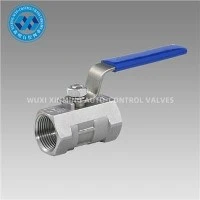
Before delving into optimization strategies, it's important to have a solid understanding of how vacuum ball valves work. A vacuum ball valve is a type of quarter-turn valve that uses a spherical closure unit to control the flow of fluids or gases. When the valve is open, the ball rotates to align with the flow path, allowing the medium to pass through. When the valve is closed, the ball rotates 90 degrees to block the flow.
Vacuum ball valves are commonly used in industries such as chemical processing, pharmaceuticals, food and beverage, and semiconductor manufacturing. They are designed to operate under low-pressure conditions, typically in the range of 1 to 1000 mbar. The key components of a vacuum ball valve include the valve body, ball, stem, seals, and actuator.
Selecting the Right Valve for Your Application
The first step in optimizing the performance of a vacuum ball valve is to select the right valve for your specific application. Consider the following factors when making your selection:
- Flow Rate: Determine the required flow rate of the medium through the valve. This will help you choose a valve with the appropriate size and flow capacity.
- Pressure Rating: Consider the operating pressure of your system. Make sure the valve you select has a pressure rating that is suitable for your application.
- Temperature Range: Take into account the temperature of the medium and the environment in which the valve will be operating. Choose a valve that can withstand the temperature range without compromising its performance.
- Medium Compatibility: Ensure that the valve materials are compatible with the medium being handled. This will prevent corrosion, contamination, and other issues that can affect the valve's performance.
- Valve Type: There are different types of vacuum ball valves available, such as floating ball valves, trunnion-mounted ball valves, and full-port ball valves. Choose the type that best suits your application requirements.
For high-performance applications, you may want to consider our High Performance PVC Ball Valve. This valve is made from high-quality PVC material, which offers excellent chemical resistance and durability. It is designed to provide reliable performance in a wide range of applications, including chemical processing, water treatment, and food and beverage production.
Proper Installation and Maintenance
Once you have selected the right valve for your application, it's important to install and maintain it properly. Follow these guidelines to ensure optimal performance:
- Installation: Install the valve in accordance with the manufacturer's instructions. Make sure the valve is properly aligned and tightened to prevent leaks. Use appropriate gaskets and seals to ensure a tight seal.
- Cleaning: Regularly clean the valve to remove any dirt, debris, or contaminants that may accumulate on the valve components. Use a mild detergent and a soft brush to clean the valve. Avoid using abrasive cleaners or tools that may damage the valve.
- Lubrication: Lubricate the valve components regularly to reduce friction and wear. Use a lubricant that is compatible with the valve materials and the medium being handled.
- Inspection: Periodically inspect the valve for any signs of wear, damage, or leaks. Check the valve seals, gaskets, and other components for any signs of deterioration. Replace any worn or damaged components as needed.
- Testing: Test the valve regularly to ensure that it is operating properly. Use a pressure gauge or other testing equipment to check the valve's performance. Make sure the valve opens and closes smoothly and that there are no leaks.
Optimizing Valve Actuation
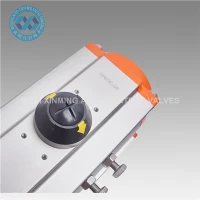
The actuation of a vacuum ball valve plays a crucial role in its performance. There are different types of actuators available, such as manual actuators, pneumatic actuators, electric actuators, and hydraulic actuators. Choose the type of actuator that best suits your application requirements.
- Manual Actuators: Manual actuators are the simplest and most cost-effective way to operate a vacuum ball valve. They are suitable for applications where the valve needs to be operated infrequently or where automation is not required.
- Pneumatic Actuators: Pneumatic actuators use compressed air to operate the valve. They are fast, reliable, and easy to control. Pneumatic actuators are suitable for applications where the valve needs to be operated frequently or where automation is required.
- Electric Actuators: Electric actuators use an electric motor to operate the valve. They are precise, reliable, and can be easily integrated into automated systems. Electric actuators are suitable for applications where the valve needs to be operated remotely or where precise control is required.
- Hydraulic Actuators: Hydraulic actuators use hydraulic fluid to operate the valve. They are powerful, reliable, and can be used in applications where high torque is required. Hydraulic actuators are suitable for applications where the valve needs to be operated under high pressure or where heavy loads need to be moved.
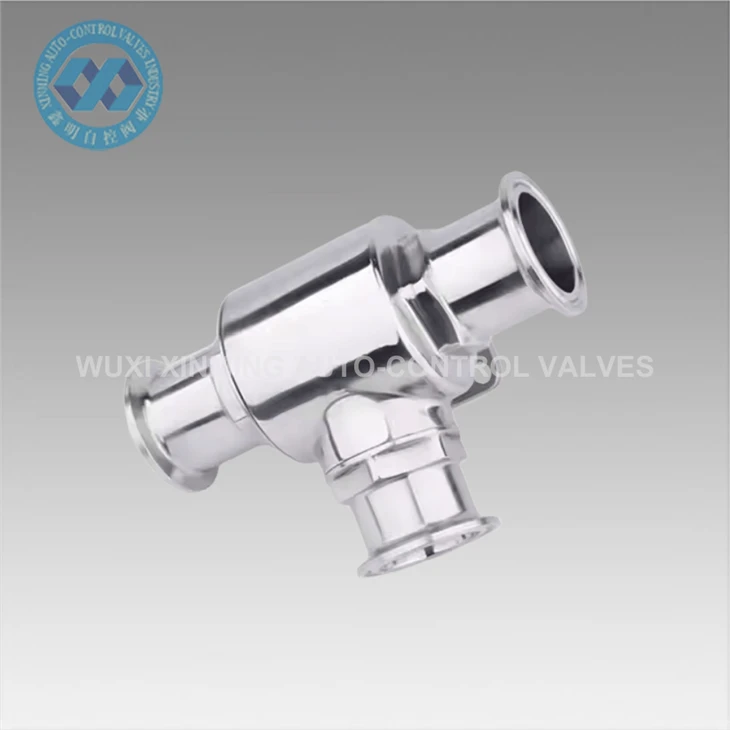
For applications that require high-performance actuation, you may want to consider our Tee High Platform Stainless Steel T-L-type Pneumatic Ball Valve. This valve is equipped with a pneumatic actuator, which provides fast and reliable operation. It is designed to provide precise control and high flow capacity in a wide range of applications, including chemical processing, oil and gas, and power generation.

Monitoring and Control
To optimize the performance of a vacuum ball valve, it's important to monitor and control its operation. Use sensors and monitoring devices to track the valve's performance and detect any issues or abnormalities. Implement a control system to automate the valve operation and ensure that it operates within the desired parameters.
- Flow Sensors: Use flow sensors to measure the flow rate of the medium through the valve. This will help you monitor the valve's performance and detect any changes in the flow rate.
- Pressure Sensors: Use pressure sensors to measure the pressure of the medium upstream and downstream of the valve. This will help you monitor the valve's performance and detect any changes in the pressure.
- Temperature Sensors: Use temperature sensors to measure the temperature of the medium and the environment in which the valve is operating. This will help you ensure that the valve is operating within the desired temperature range.
- Control System: Implement a control system to automate the valve operation and ensure that it operates within the desired parameters. Use a programmable logic controller (PLC) or a distributed control system (DCS) to control the valve.
Conclusion
Optimizing the performance of a vacuum ball valve is essential for ensuring efficient and reliable operation in various industrial applications. By selecting the right valve for your application, installing and maintaining it properly, optimizing valve actuation, and monitoring and controlling its operation, you can achieve optimal performance and extend the lifespan of your valve.
If you have any questions or need further assistance with optimizing the performance of your vacuum ball valve, please feel free to contact us. We are a leading supplier of vacuum ball valves and can provide you with the expertise and support you need to ensure the success of your application.