Hey there! As a ball valve supplier, I've seen firsthand how cold weather can be a real pain in the neck for ball valves. When the mercury drops, the water inside the valves can freeze, leading to all sorts of problems like cracked valves, leaks, and even system failures. But don't worry, I've got some tips and tricks to help you prevent your ball valves from freezing up in the winter months.
Understanding the Problem
First things first, let's talk about why ball valves freeze in the first place. When water freezes, it expands. This expansion can put a lot of pressure on the valve, causing it to crack or break. In addition, frozen water can block the flow of liquid or gas through the valve, which can lead to system malfunctions.
The risk of freezing is especially high in areas where the temperature regularly drops below freezing. Valves that are exposed to the elements, such as those located outside or in unheated areas, are particularly vulnerable. But even valves inside buildings can freeze if the temperature gets cold enough.
Insulation is Key
One of the most effective ways to prevent ball valves from freezing is to insulate them. Insulation helps to keep the valve warm by reducing the amount of heat that escapes. There are several types of insulation materials available, including foam, fiberglass, and rubber.
Foam insulation is a popular choice because it's easy to install and provides good thermal protection. You can find foam insulation sleeves specifically designed for ball valves at most hardware stores. Simply slide the sleeve over the valve and secure it in place with tape or a zip tie.
Fiberglass insulation is another option. It's more durable than foam insulation and can provide better protection in extreme cold. However, it can be a bit more difficult to install, so you may need to hire a professional if you're not comfortable doing it yourself.
Rubber insulation is a good choice for valves that are exposed to moisture. It's waterproof and can help to prevent corrosion. Rubber insulation sleeves are also available at most hardware stores.
Heat Tracing
Another way to prevent ball valves from freezing is to use heat tracing. Heat tracing involves wrapping an electric heating cable around the valve to keep it warm. The cable is controlled by a thermostat, which turns the heat on and off as needed to maintain a constant temperature.
Heat tracing is a more expensive option than insulation, but it's also more effective. It's especially useful for valves that are located in areas where the temperature drops below freezing for extended periods of time.
When installing heat tracing, it's important to follow the manufacturer's instructions carefully. Make sure the cable is properly secured to the valve and that the thermostat is set to the correct temperature.
Drain the Valves
If you're going to be away from your property for an extended period of time during the winter months, it's a good idea to drain the ball valves. This will prevent water from freezing inside the valve and causing damage.
To drain a ball valve, simply turn off the water supply and open the valve to let the water drain out. You may need to use a wrench to open the valve if it's stuck. Once the water has drained out, close the valve and leave it open slightly to allow any remaining water to evaporate.
Keep the Area Warm
In addition to insulating and heat tracing the valves, it's also important to keep the area around the valves warm. This can be done by keeping the building heated or by using space heaters in unheated areas.
If you're using space heaters, make sure they're placed a safe distance from the valves and that they're not blocking any vents or air intakes. You should also make sure the heaters are properly maintained and that they're not a fire hazard.
Use Anti-Freeze Solutions
In some cases, you may be able to use anti-freeze solutions to prevent ball valves from freezing. Anti-freeze solutions are designed to lower the freezing point of water, which can help to prevent it from freezing inside the valve.
However, it's important to use anti-freeze solutions carefully. Some anti-freeze solutions can be toxic, so you need to make sure you're using a product that's safe for your application. You should also follow the manufacturer's instructions carefully when using anti-freeze solutions.
Regular Maintenance
Finally, it's important to perform regular maintenance on your ball valves to keep them in good working condition. This includes checking the valves for leaks, cracks, and other signs of damage. You should also lubricate the valve stems and seals regularly to prevent them from drying out and cracking.
If you notice any problems with your ball valves, it's important to address them as soon as possible. Ignoring small problems can lead to bigger problems down the road, which can be more expensive and difficult to fix.
Our Ball Valve Products
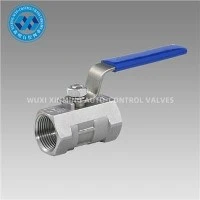
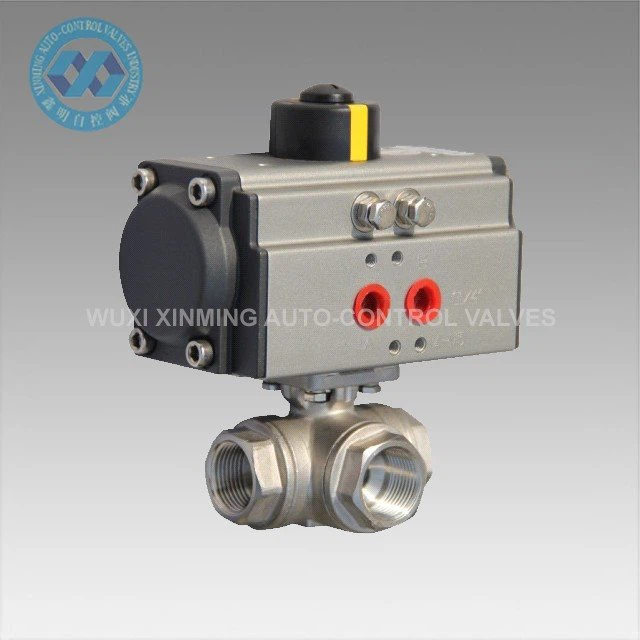
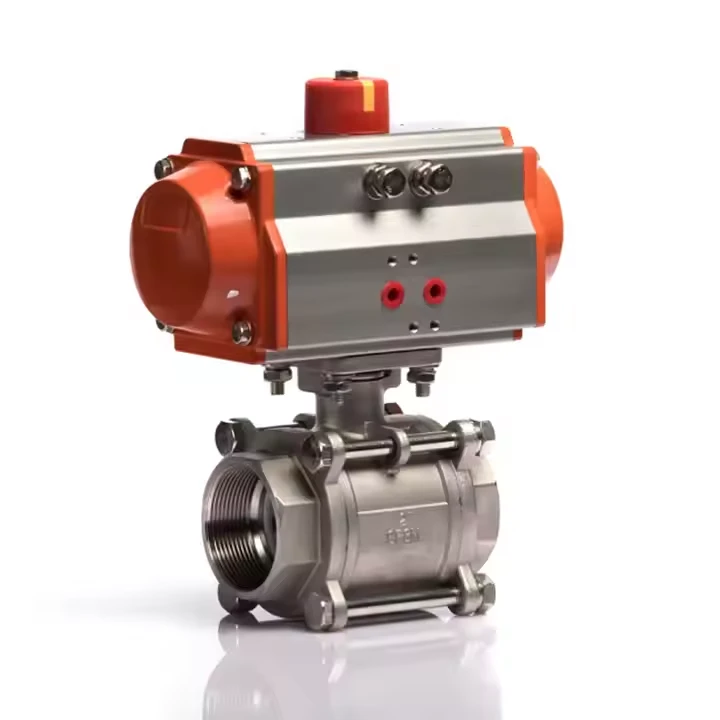
At our company, we offer a wide range of high-quality ball valves to meet your needs. Whether you're looking for a Pneumatic Thread Ball Valves For Industrial Flow Control, a Stainless Steel Ball Valve, or a Pneumatic Ball Valve, we've got you covered.
Our ball valves are made from the highest quality materials and are designed to withstand even the toughest conditions. We also offer a variety of customization options, so you can get the valve that's perfect for your application.
Contact Us for Purchase
If you're interested in purchasing ball valves from us, or if you have any questions about preventing ball valves from freezing, please don't hesitate to contact us. Our team of experts is always happy to help you find the right solution for your needs.
References
- "Preventing Freezing in Pipes and Valves." Engineering ToolBox.
- "Insulation Materials for Pipes and Valves." The Spruce.
- "Heat Tracing for Pipes and Valves." Grainger KnowHow.