Hey there! As a butterfly valve supplier, I often get asked about how these nifty valves work. So, today, I'm gonna break down the operating principle of a soft-seated butterfly valve for you.
What's a Soft-Seated Butterfly Valve?
First off, let's talk about what a soft-seated butterfly valve is. It's a type of valve that uses a disc - like closure element, which rotates around a shaft. The "soft-seated" part means that the valve has a soft material, like rubber or PTFE, on the sealing surface. This soft seat helps to create a tight seal when the valve is closed, preventing any leakage of fluids or gases.
Basic Structure
A soft-seated butterfly valve consists of a few key components. There's the valve body, which is the outer casing that holds everything together. Inside the body, there's the disc, which is the circular plate that rotates to open and close the valve. The disc is connected to a shaft, and when the shaft rotates, the disc moves too. And of course, there's the soft seat, which lines the inside of the valve body where the disc comes into contact.
How It Opens and Closes
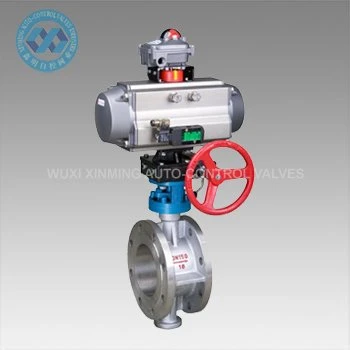
The operation of a soft-seated butterfly valve is pretty straightforward. When you want to open the valve, you turn the actuator (which can be manual, electric, pneumatic, or hydraulic). This rotation of the actuator causes the shaft to turn, and as the shaft turns, the disc rotates from a position perpendicular to the flow path to a position parallel to it. When the disc is parallel to the flow path, the valve is fully open, and fluid or gas can flow through it freely.
Conversely, when you want to close the valve, you turn the actuator in the opposite direction. The shaft rotates the disc back to a position perpendicular to the flow path. As the disc approaches the soft seat, it presses against it, creating a tight seal. This stops the flow of fluid or gas through the valve.
Sealing Mechanism
The sealing mechanism of a soft-seated butterfly valve is one of its most important features. The soft seat material deforms slightly when the disc presses against it. This deformation allows the seat to conform to the shape of the disc, creating a reliable seal. Different soft seat materials have different properties. For example, rubber seats are great for applications where a tight seal is needed and the fluid is not too corrosive. PTFE seats, on the other hand, are more resistant to chemicals and high temperatures.

Advantages of Soft-Seated Butterfly Valves
There are several advantages to using soft-seated butterfly valves. Firstly, they're relatively inexpensive compared to other types of valves. They're also lightweight and easy to install, which can save you time and money during the installation process. Another big plus is their quick opening and closing time. Since the disc only needs to rotate 90 degrees to go from fully open to fully closed, you can control the flow of fluid or gas very rapidly.
Soft-seated butterfly valves also offer good flow control. The position of the disc can be adjusted to regulate the amount of fluid or gas flowing through the valve. This makes them suitable for a wide range of applications, from water treatment plants to HVAC systems.
Applications
Soft-seated butterfly valves are used in many different industries. In the water and wastewater industry, they're used to control the flow of water in pipes. They can handle both clean water and water with some level of impurities. In the food and beverage industry, these valves are used because they can be made with materials that are safe for contact with food products. They're also used in the chemical industry, where the choice of soft seat material can be tailored to the specific chemical being handled.
Different Types of Soft-Seated Butterfly Valves
We offer a variety of soft-seated butterfly valves to meet different customer needs. For instance, our Stainless Steel Butterfly Valve is made of high - quality stainless steel, which makes it resistant to corrosion. It's suitable for applications where the fluid is corrosive or where hygiene is a concern.
Our Pneumatic High Performace Butterfly Valve uses compressed air to operate. It's known for its high performance and fast response time, making it ideal for applications where quick valve operation is required.
And then there's the Double Flange Ventilation Body Butterfly Pneumatic Damper Valve. This valve is designed specifically for ventilation systems. It can effectively control the flow of air and is easy to install between flanges.
Maintenance
To keep your soft-seated butterfly valve working properly, regular maintenance is important. You should check the soft seat for signs of wear or damage. If the seat is worn, it may not create a proper seal, leading to leakage. You also need to lubricate the shaft and the actuator regularly to ensure smooth operation. And make sure to clean the valve periodically to remove any debris that could interfere with its performance.
Why Choose Us as Your Supplier
As a butterfly valve supplier, we've got a lot to offer. We have a wide range of valves to choose from, so you can find the perfect one for your application. Our valves are made with high - quality materials and are manufactured to strict standards. We also have a team of experts who can provide you with technical support and advice. Whether you're a small business or a large industrial company, we can meet your valve needs.
Let's Talk Business
If you're in the market for a soft-seated butterfly valve or any other type of butterfly valve, don't hesitate to get in touch. We're here to help you find the right valve for your project and can offer competitive prices. Contact us today to start the procurement process and let's see how we can work together to meet your valve requirements.
References
- Valve Handbook, CRC Press
- Industrial Valves: Selection and Sizing, Gulf Publishing Company