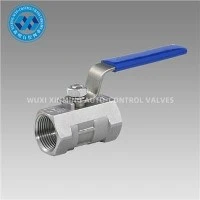
Hey there! As a supplier of flange ball valves, I've seen my fair share of issues, and one of the most common problems is steam leakage from these valves. It's not just a minor annoyance; it can lead to safety hazards, energy loss, and increased maintenance costs. So, in this blog, I'm gonna share some tips on how to prevent steam leakage from a flange ball valve.
Understanding the Causes of Steam Leakage
Before we can prevent steam leakage, it's important to understand what causes it. There are several factors that can contribute to steam leakage in a flange ball valve:
- Poor Installation: If the valve isn't installed correctly, it can lead to misalignment, improper sealing, and leakage. This includes issues like uneven torque on the bolts, incorrect gasket installation, or a damaged valve body.
- Wear and Tear: Over time, the components of the valve can wear out, especially in high-pressure and high-temperature environments. This can include the ball, seats, gaskets, and seals, which can lose their ability to seal properly.
- Corrosion: Steam contains moisture, which can cause corrosion on the valve components. Corrosion can weaken the materials, create pits and cracks, and compromise the integrity of the seal.
- High Pressure and Temperature: Steam systems often operate at high pressures and temperatures, which can put additional stress on the valve. This can cause the valve components to expand and contract, leading to leaks.
Preventive Measures
Proper Installation
- Follow Manufacturer's Instructions: This might seem obvious, but it's crucial. The manufacturer provides detailed instructions on how to install the valve correctly, including torque values for the bolts, the type of gasket to use, and the proper alignment. Make sure you read and follow these instructions carefully.
- Inspect the Valve and Components: Before installation, inspect the valve and all its components for any damage or defects. Check the ball, seats, gaskets, and seals for signs of wear, cracks, or corrosion. Replace any damaged components before installing the valve.
- Use the Right Tools: Using the right tools for installation is essential. Make sure you have a torque wrench to ensure that the bolts are tightened to the correct specifications. Using the wrong tools can lead to over-tightening or under-tightening, which can cause leakage.
- Proper Alignment: Ensure that the valve is properly aligned with the pipeline. Misalignment can cause stress on the valve and its components, leading to leaks. Use alignment tools if necessary to ensure a perfect fit.
Regular Maintenance
- Inspection and Testing: Regularly inspect the valve for signs of wear, corrosion, or leakage. You can perform visual inspections as well as pressure and leak tests to detect any issues early. If you notice any problems, address them immediately.
- Lubrication: Some valves require lubrication to ensure smooth operation and proper sealing. Follow the manufacturer's recommendations on the type and frequency of lubrication. Using the wrong lubricant can damage the valve components.
- Replace Worn Components: Over time, the valve components will wear out. Replace the gaskets, seals, and other worn parts at regular intervals to prevent leakage. Keep a stock of spare parts on hand to minimize downtime.
Material Selection
- Choose the Right Valve Material: Select a valve material that is suitable for the steam application. For high-pressure and high-temperature steam systems, materials like stainless steel or alloy steel are often a good choice. These materials are more resistant to corrosion and wear.
- Gasket Material: The gasket is a critical component in preventing leakage. Choose a gasket material that can withstand the temperature, pressure, and chemical properties of the steam. Common gasket materials include graphite, PTFE, and rubber.
Monitoring and Control
- Pressure and Temperature Monitoring: Install pressure and temperature sensors in the steam system to monitor the operating conditions. This will help you detect any abnormal changes in pressure or temperature, which can indicate a problem with the valve.
- Flow Control: Proper flow control can help reduce the stress on the valve. Use flow control devices such as regulators or throttling valves to maintain a stable flow rate and pressure.
Our Product Range
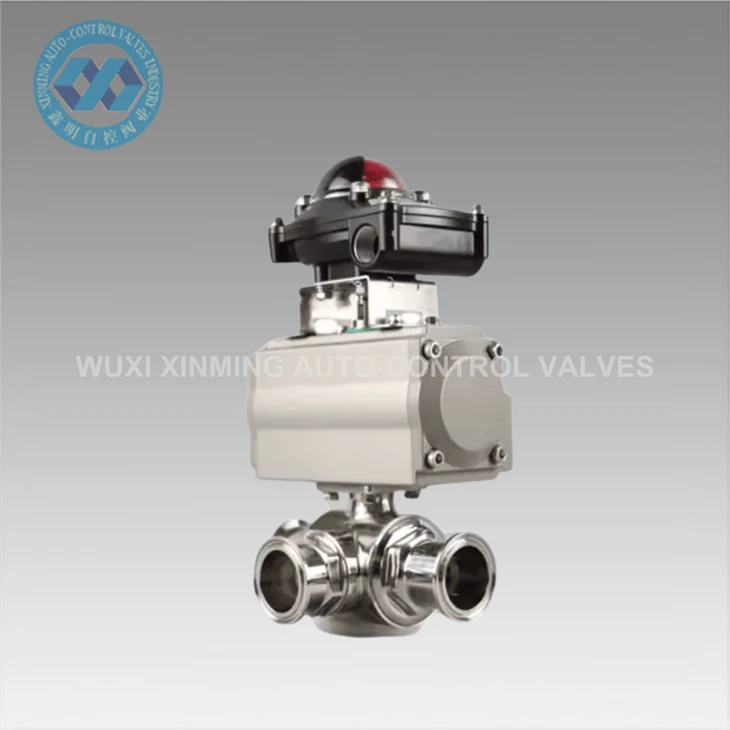
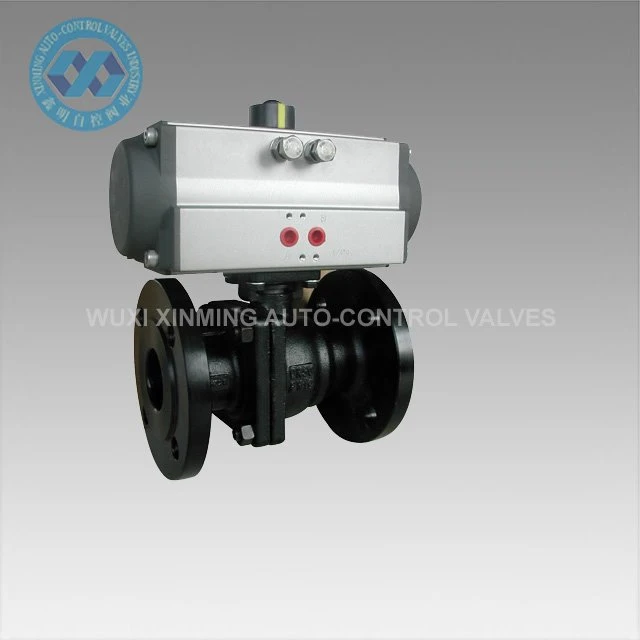
As a flange ball valve supplier, we offer a wide range of high-quality valves to meet your needs. Some of our popular products include the Explosion-Proof Pneumatic Ball Valve, which is designed for use in hazardous environments, the L-t Stainless Steel Pneumatic Three-way Ball Valve, which provides versatile flow control options, and the WCB Ball Valve, which is a reliable choice for general steam applications.
Conclusion
Preventing steam leakage from a flange ball valve requires a combination of proper installation, regular maintenance, material selection, and monitoring. By following these tips, you can ensure the reliable operation of your steam system and avoid costly repairs and downtime. If you have any questions or need help with your flange ball valve needs, don't hesitate to contact us. We're here to help you find the right solution for your application.
References
- Valve Handbook, Various Authors
- Steam System Design and Operation Manuals