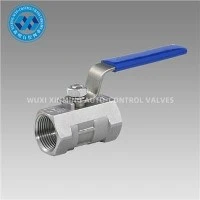
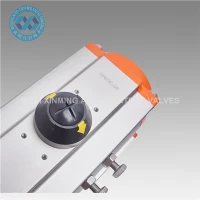
Hey there! As a supplier of WCB Butterfly Valves, I've seen firsthand how corrosion can be a real headache for these valves. Corrosion not only shortens the lifespan of the valves but also affects their performance, leading to potential leaks and inefficiencies in fluid control systems. In this blog, I'm gonna share some practical tips on how to prevent the corrosion of WCB Butterfly Valves.
Understanding the Basics of WCB Butterfly Valves and Corrosion
First off, let's quickly go over what WCB Butterfly Valves are. WCB is a type of carbon steel that's commonly used in valve manufacturing. Butterfly valves, on the other hand, are quarter - turn valves used to regulate the flow of fluids. They're popular because they're lightweight, easy to operate, and cost - effective.
Corrosion is basically the deterioration of a material due to chemical reactions with its environment. For WCB Butterfly Valves, common causes of corrosion include exposure to moisture, chemicals in the fluid being controlled, and even the presence of oxygen.
Select the Right Environment
One of the simplest ways to prevent corrosion is to install the valves in the right environment. Avoid areas with high humidity, as moisture is a major culprit in corrosion. If possible, keep the valves indoors or in a sheltered area. Also, make sure the area is well - ventilated to reduce the concentration of corrosive gases.
If the valve is going to be used in an industrial setting where it'll be exposed to chemicals, it's crucial to choose a valve that's compatible with those chemicals. For example, if the fluid contains acids, you might need to consider a valve with a special coating or made from a more corrosion - resistant material.
Proper Coating and Painting
Applying a good coating or paint to the valve can provide a protective barrier against corrosion. There are different types of coatings available, such as epoxy coatings, which are known for their excellent chemical resistance. Before applying the coating, make sure the valve surface is clean and free of rust and debris. You can use sandblasting or chemical cleaning methods to prepare the surface.
Once the surface is ready, apply the coating according to the manufacturer's instructions. Usually, multiple coats are required for maximum protection. A well - applied coating can significantly extend the lifespan of the valve.

Regular Inspection and Maintenance
Regular inspection is key to catching corrosion early. Check the valve for signs of rust, pitting, or discoloration on a regular basis. You can use visual inspection, but for more accurate results, non - destructive testing methods like ultrasonic testing can be used to detect internal corrosion.
If you notice any signs of corrosion, take immediate action. Minor corrosion can often be removed by sanding or using a rust remover. After removing the corrosion, re - apply the protective coating.
In addition to inspection, proper maintenance is also important. Lubricate the valve regularly to ensure smooth operation. This not only helps prevent corrosion in the moving parts but also improves the overall performance of the valve.
Use Corrosion Inhibitors
Corrosion inhibitors are chemicals that can be added to the fluid flowing through the valve to reduce the rate of corrosion. There are different types of inhibitors available, depending on the type of fluid and the metal of the valve. For example, in water - based systems, phosphate - based inhibitors are commonly used.
However, it's important to use the right amount of inhibitor. Too little may not be effective, while too much can cause other problems, such as fouling of the valve or environmental issues. Consult with a corrosion expert to determine the appropriate type and dosage of inhibitor for your specific application.
Choose High - Quality Valves
Investing in high - quality valves from the start can save you a lot of trouble in the long run. High - quality valves are usually made from better materials and have better manufacturing processes, which means they're more resistant to corrosion.
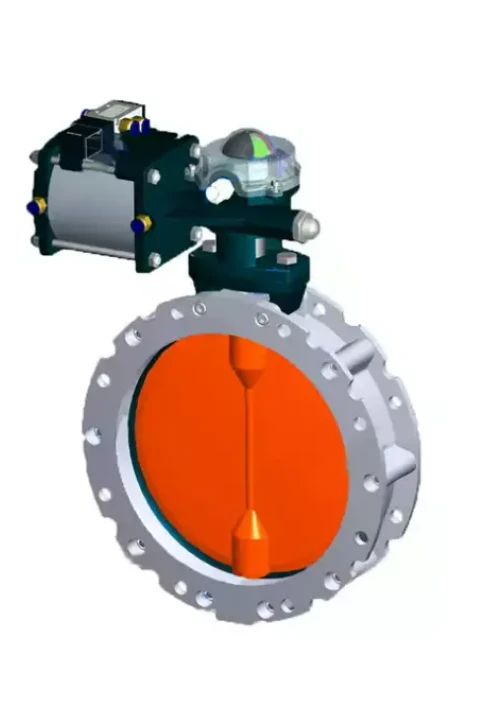
For example, our Efficient Pneumatic Flanged Butterfly Valve Accurate Fluid Regulation is designed with corrosion - resistant materials and advanced manufacturing techniques. It's built to last, even in harsh environments. Our High - performance Butterfly Valve is another great option, offering excellent performance and corrosion resistance. And if you need a smaller valve, our DN25 Pneumatic Dust Aluminum Butterfly Valve is a reliable choice.
Conclusion
Preventing the corrosion of WCB Butterfly Valves requires a combination of proper installation, regular maintenance, and the use of appropriate protective measures. By following these tips, you can ensure that your valves operate efficiently and have a long lifespan.
If you're in the market for high - quality WCB Butterfly Valves or need more advice on corrosion prevention, don't hesitate to reach out. We're here to help you find the best solution for your needs.
References
- Jones, R. "Corrosion Prevention in Industrial Valves." Industrial Valve Journal, 2018.
- Smith, A. "The Basics of Valve Coating for Corrosion Protection." Valve Technology Magazine, 2019.
- Brown, C. "Using Corrosion Inhibitors in Fluid Systems." Fluid Control Review, 2020.