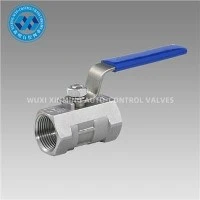
Operating a sanitary ball valve in a harsh environment presents a unique set of challenges. In this blog post, as a seasoned sanitary ball valve supplier, I'll share valuable insights and practical strategies to ensure the proper functioning of these essential components under adverse conditions.
Understanding the Harsh Environment Challenges
Harsh environments can vary widely, from high - temperature industrial settings to corrosive chemical processing plants and high - pressure hydraulic systems. Each environment poses specific threats to the performance and longevity of sanitary ball valves.
Temperature Extremes
In high - temperature environments, the materials of the ball valve can expand, leading to changes in the valve's dimensions. This expansion can cause the valve to bind or prevent it from closing properly, resulting in leaks. On the other hand, extremely low temperatures can make the valve materials brittle, increasing the risk of cracks and fractures.
Corrosion
Corrosive substances such as acids, alkalis, and saltwater can eat away at the valve's surfaces. This not only affects the appearance of the valve but also compromises its structural integrity. Corrosion can lead to pitting, which weakens the valve body and can eventually cause it to fail.
Abrasion
In environments where there are solid particles in the fluid flow, such as in mining or sand - processing operations, the valve components are subject to abrasion. The constant rubbing of these particles against the valve's ball and seats can wear them down, reducing the valve's ability to seal effectively.
High Pressure
High - pressure environments put a tremendous amount of stress on the valve. If the valve is not designed to handle the pressure, it can lead to deformation of the valve body, failure of the seals, and even catastrophic rupture.
Selecting the Right Sanitary Ball Valve
The first step in ensuring the proper functioning of a sanitary ball valve in a harsh environment is to select the right valve for the job.
Material Selection
- Stainless Steel: Stainless steel is a popular choice for sanitary ball valves due to its excellent corrosion resistance. Different grades of stainless steel offer varying levels of protection against different types of corrosive agents. For example, 316L stainless steel is highly resistant to chloride - induced corrosion, making it suitable for use in marine and chemical processing environments.
- Alloy Materials: In extremely harsh environments, alloy materials such as Hastelloy or Inconel may be required. These alloys offer superior resistance to high temperatures, corrosion, and abrasion.
Design Features
- Full - Port Design: A full - port ball valve has a larger ball and opening, which reduces the pressure drop across the valve. This is especially important in high - flow applications or in environments where the fluid contains solid particles, as it helps prevent clogging.
- Double - Block - and - Bleed (DBB) Design: A DBB valve provides an extra level of safety by having two sealing surfaces that can be isolated from each other. This is useful in applications where leakage cannot be tolerated, such as in the handling of hazardous chemicals.
Pressure and Temperature Ratings
It is crucial to select a valve with pressure and temperature ratings that exceed the maximum expected conditions in the environment. This provides a safety margin and ensures that the valve can operate reliably over its service life.
Installation and Maintenance
Proper installation and regular maintenance are key to ensuring the long - term performance of a sanitary ball valve in a harsh environment.


Installation
- Proper Alignment: During installation, the valve must be properly aligned with the piping system. Misalignment can cause stress on the valve body and seals, leading to premature failure.
- Seal Installation: The seals of the valve are critical for preventing leaks. They must be installed correctly, with the right amount of compression. Over - compression can cause the seals to deform, while under - compression can result in leaks.
Maintenance
- Regular Inspections: Regular inspections of the valve are necessary to detect any signs of wear, corrosion, or damage. Visual inspections can be complemented by non - destructive testing methods such as ultrasonic testing or dye penetrant testing.
- Lubrication: In some cases, lubrication of the valve components can help reduce friction and wear. However, it is important to use the right type of lubricant that is compatible with the valve materials and the fluid being handled.
- Seal Replacement: Seals have a limited lifespan, especially in harsh environments. They should be replaced at regular intervals to ensure proper sealing.
Using Auxiliary Equipment
In some harsh environments, the use of auxiliary equipment can help ensure the proper functioning of the sanitary ball valve.
Pneumatic Actuators
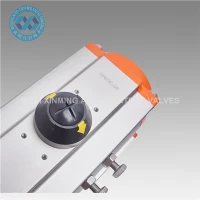
Pneumatic actuators can provide precise control of the valve's opening and closing. They are suitable for applications where remote operation or automated control is required. For example, in high - pressure or high - temperature environments where manual operation may be dangerous, pneumatic actuators can be used to operate the valve safely. You can explore our Pneumatic Actuator Y Type Three Way Ball Valve, Pneumatic Actuated Three - Way Stainless Steel Ball Valve, and Pneumatic Actuator WCB Flange Ball Valve for more options.
Filters and Strainers
Filters and strainers can be installed upstream of the valve to remove solid particles from the fluid flow. This helps reduce abrasion on the valve components and extends the valve's service life.
Pressure and Temperature Sensors
Pressure and temperature sensors can be installed near the valve to monitor the operating conditions. This allows for early detection of any abnormal conditions and enables timely maintenance or adjustment.
Training and Education
Finally, it is important to provide proper training and education to the personnel who will be operating and maintaining the sanitary ball valves. They should be familiar with the valve's operation, installation, and maintenance procedures. This includes understanding the potential hazards associated with the harsh environment and how to take appropriate safety measures.
Conclusion
Ensuring the proper functioning of a sanitary ball valve in a harsh environment requires a comprehensive approach that includes selecting the right valve, proper installation and maintenance, the use of auxiliary equipment, and training of personnel. By following these guidelines, you can minimize the risk of valve failure and ensure the reliable operation of your system.
If you are facing challenges in operating sanitary ball valves in harsh environments or are looking for high - quality sanitary ball valves, we are here to help. Contact us to start a discussion about your specific requirements and let's work together to find the best solutions for your applications.
References
- ASME B16.34 - Valve Flanges and Fittings
- API 6D - Specification for Pipeline Valves
- ISO 5208 - Industrial Valves - Pressure Testing of Valves