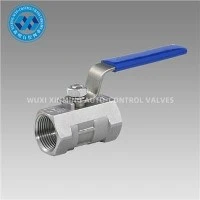
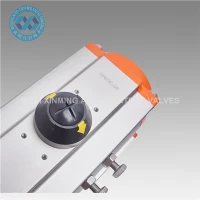
Hey there! As a supplier of WCB Ball Valves, I've seen my fair share of valve stem leakage issues. It's a common problem that can lead to all sorts of headaches, from minor leaks to major system failures. But don't worry, I'm here to share some tips on how to prevent valve stem leakage in a WCB Ball Valve.
First off, let's understand what causes valve stem leakage. There are a few main culprits. One of the most common is improper installation. If the valve isn't installed correctly, it can put extra stress on the stem and seals, leading to leaks over time. Another cause is wear and tear. As the valve is used, the stem and seals can start to break down, allowing fluid to escape. And of course, environmental factors like high temperatures, pressure, and corrosive substances can also take a toll on the valve and cause leakage.
So, how can we prevent these issues? Well, the first step is to make sure you're using the right valve for the job. Different applications require different types of valves, so it's important to choose a WCB Ball Valve that's designed to handle the specific conditions of your system. For example, if you're dealing with high temperatures or corrosive fluids, you'll need a valve with special materials and coatings to protect it.
When it comes to installation, following the manufacturer's instructions is crucial. Make sure you're using the right tools and techniques, and take your time to ensure everything is properly aligned and tightened. It's also a good idea to have a professional install the valve if you're not confident in your own abilities.
Proper maintenance is another key factor in preventing valve stem leakage. Regularly inspect the valve for signs of wear and tear, and replace any damaged parts as soon as possible. This includes the stem seals, which are the most common source of leakage. You can also lubricate the stem and seals to reduce friction and extend their lifespan.
In addition to these basic steps, there are a few other things you can do to prevent valve stem leakage. One is to use a valve positioner. A valve positioner helps to ensure that the valve is opening and closing correctly, which can reduce stress on the stem and seals. Another is to install a pressure relief valve. A pressure relief valve can help to prevent overpressure in the system, which can cause the valve to leak.

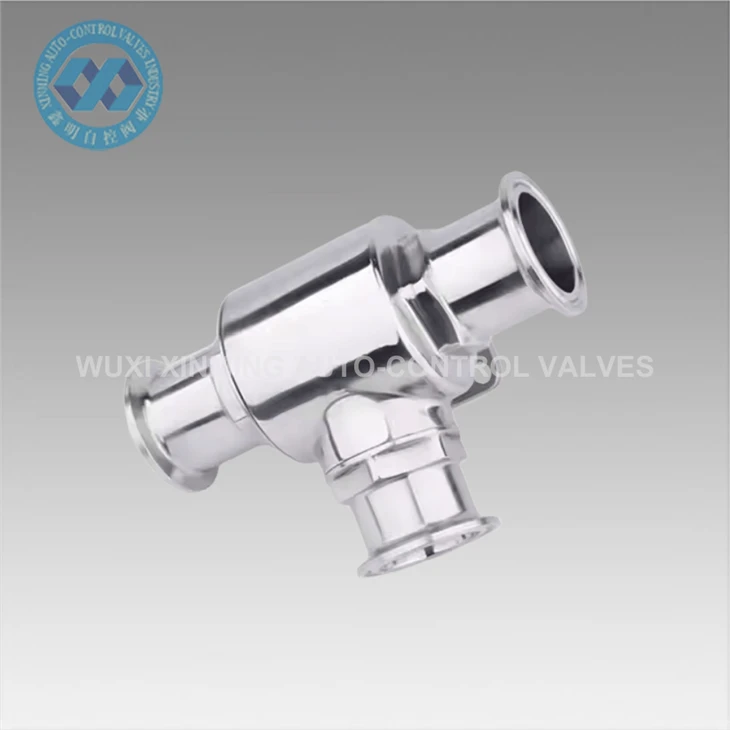
Now, let's take a look at some of the products we offer that can help prevent valve stem leakage. We have a wide range of WCB Ball Valves, including the Tee High Platform Stainless Steel T-L-type Pneumatic Ball Valve. This valve is made from high-quality stainless steel and is designed to handle high pressures and temperatures. It also features a pneumatic actuator, which makes it easy to operate.
Another great product is the Three Stage Pneumatic Rotary Actuator Ball Valve Made in China. This valve is designed for use in industrial applications and features a three-stage pneumatic rotary actuator, which provides precise control and high torque. It's also made from high-quality materials and is built to last.
Finally, we have the 2PC Thread Ball Valve. This valve is a popular choice for residential and commercial applications. It's easy to install and operate, and it's available in a variety of sizes and materials.
If you're interested in learning more about our products or have any questions about preventing valve stem leakage, please don't hesitate to contact us. We're here to help you find the right valve for your needs and ensure that it's installed and maintained properly. Whether you're a small business or a large industrial facility, we have the expertise and products to meet your requirements. So, let's get in touch and start the conversation about how we can work together to solve your valve problems.
In conclusion, preventing valve stem leakage in a WCB Ball Valve requires a combination of proper selection, installation, maintenance, and the use of the right products. By following these tips and using our high-quality valves, you can avoid costly leaks and ensure the smooth operation of your system. So, take the time to do it right, and you'll enjoy reliable performance from your valves for years to come.
References
- Valve Handbook: A Guide to Valve Selection, Installation, and Maintenance
- Industrial Valve Standards and Best Practices