

When it comes to fluid control systems, PVC butterfly valves are a popular choice due to their cost - effectiveness, ease of installation, and wide - ranging applications. As a PVC Butterfly Valve supplier, I often get asked about the pressure ratings of these valves. In this blog post, I'll delve into what exactly the pressure rating of a typical PVC butterfly valve is, the factors that influence it, and why it's crucial for your projects.
Understanding Pressure Rating
The pressure rating of a valve is defined as the maximum pressure that the valve can safely handle at a given temperature. For PVC butterfly valves, this rating is typically expressed in pounds per square inch (psi) or bars. It represents the upper limit of pressure at which the valve can operate continuously without experiencing excessive deformation, leakage, or failure.
A typical PVC butterfly valve usually has a pressure rating that can range from 150 psi (about 10.3 bar) to 300 psi (about 20.7 bar). However, this is a general range, and the actual rating can vary based on several factors.
Factors Influencing Pressure Rating
Material Quality
The quality of the PVC used in the valve construction plays a significant role in determining its pressure rating. High - grade PVC materials are formulated to withstand higher pressures. They have better molecular structures that can resist the forces exerted by the fluid under pressure. Inferior PVC materials may start to crack or deform at lower pressures, reducing the overall pressure rating of the valve.
Valve Design
The design of the valve, including its body thickness, disc shape, and sealing mechanism, affects its pressure - handling capabilities. A thicker valve body can better withstand the internal pressure without bulging or bursting. The shape of the disc also matters; a well - designed disc can distribute the pressure evenly across the valve, reducing stress concentrations. Additionally, a reliable sealing mechanism ensures that there is no leakage even under high pressure.
Temperature
Temperature has a direct impact on the pressure rating of PVC butterfly valves. PVC is a thermoplastic material, and its mechanical properties change with temperature. As the temperature increases, the PVC becomes more flexible, which means it can withstand less pressure. Conversely, at lower temperatures, the PVC becomes more brittle. Most manufacturers specify the pressure rating at a standard temperature, usually around 73°F (23°C). If the operating temperature deviates from this standard, the pressure rating must be adjusted accordingly.
Importance of Correct Pressure Rating
Selecting a PVC butterfly valve with the appropriate pressure rating is crucial for the safety and efficiency of your fluid control system.
Safety
Using a valve with a pressure rating that is too low for your application can lead to catastrophic failures. High - pressure fluid can cause the valve to burst, resulting in leaks that may be dangerous, especially if the fluid is toxic, flammable, or corrosive. On the other hand, choosing a valve with an overly high pressure rating can be wasteful, as these valves are often more expensive.
Efficiency
A valve with the correct pressure rating ensures smooth and efficient operation of the system. It can maintain proper flow control without excessive pressure drops, which can lead to energy losses and reduced system performance.
Different Types of PVC Butterfly Valves and Their Pressure Ratings
There are various types of PVC butterfly valves on the market, each with its own characteristics and pressure ratings.
Wafer - Style PVC Butterfly Valves
Wafer - style valves are compact and designed to be installed between two flanges. They are commonly used in corrosive fluid applications. These valves typically have a pressure rating in the lower to medium range, around 150 - 200 psi (10.3 - 13.8 bar). Their relatively thin design makes them less suitable for extremely high - pressure applications.
Lug - Style PVC Butterfly Valves
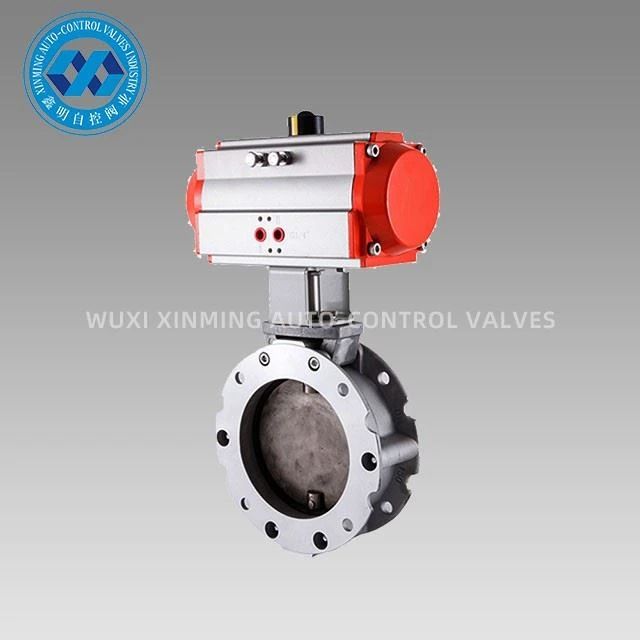
Lug - style valves have threaded inserts on the valve body, allowing them to be installed in a pipeline using bolts. They offer more flexibility in installation and can often handle slightly higher pressures compared to wafer - style valves. The pressure rating of lug - style PVC butterfly valves can range from 200 - 300 psi (13.8 - 20.7 bar).
Related Products and Their Applications
In addition to standard PVC butterfly valves, there are other related products that can be used in conjunction with or as alternatives in certain applications.
- Damper Butterfly Valve: These valves are designed for regulating airflow in ventilation systems. They have different pressure ratings based on their construction and application requirements.
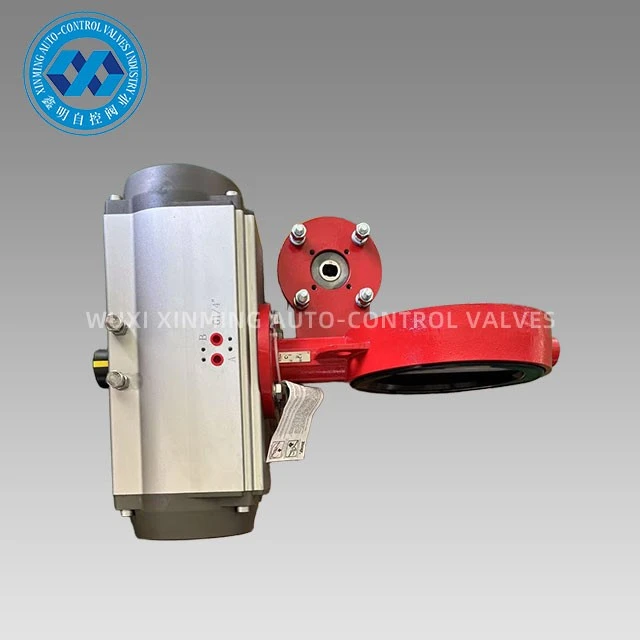
- Bary Butterfly Valve Actuator: Actuators are used to automate the operation of butterfly valves. They can be used with PVC butterfly valves to provide remote or automatic control, enhancing the functionality and efficiency of the fluid control system.
- Pneumatic Actuator Powder Aluminum Butterfly Valve: This type of valve combines a pneumatic actuator with a powder - coated aluminum body. It offers unique advantages in terms of corrosion resistance and ease of operation, and has its own specific pressure rating determined by its design and materials.
Selecting the Right Pressure Rating for Your Project
When choosing a PVC butterfly valve for your project, here are some steps to help you determine the right pressure rating:
- Identify the System Pressure: Determine the maximum pressure that the valve will be exposed to in your fluid control system. This may require consulting with system engineers or referring to the specifications of other system components.
- Consider Temperature and Other Environmental Factors: As mentioned earlier, temperature can significantly affect the pressure rating. Also, consider other environmental factors such as humidity, exposure to chemicals, and vibrations.
- Consult with a Supplier: As a PVC Butterfly Valve supplier, I have the expertise and knowledge to help you select the right valve for your specific application. I can provide detailed information about the pressure ratings of different valves and offer recommendations based on your project requirements.
Contact Us for Purchase and Consultation
If you are in the market for PVC butterfly valves, selecting the appropriate pressure rating is just one of the many factors to consider. Our team of experts is here to assist you in making the best decision for your project. Whether you need a valve for a small - scale industrial application or a large - scale water treatment plant, we have a wide range of PVC butterfly valves to meet your needs.
Don't hesitate to reach out to us for more information on pressure ratings, valve selection, or to start a purchase discussion. We are committed to providing high - quality products and excellent customer service.
References
- Valve Handbook, National Valve and Fittings Association
- PVC Material Specifications, Plastic Pipe and Fittings Institute




