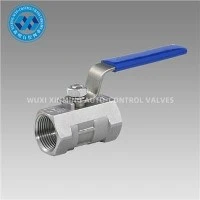
As a supplier of WCB Ball Valves, I understand the importance of keeping these crucial components in optimal working condition. WCB Ball Valves are widely used in various industries due to their durability and reliability. However, like any mechanical device, they can sometimes experience damage. In this blog post, I'll guide you through the process of repairing a damaged WCB Ball Valve.
Understanding the WCB Ball Valve
Before we dive into the repair process, it's essential to have a basic understanding of how a WCB Ball Valve works. A WCB Ball Valve consists of a spherical disc (the ball) with a hole in the middle. When the valve is open, the hole in the ball aligns with the flow path, allowing fluid or gas to pass through. When the valve is closed, the ball rotates 90 degrees, blocking the flow.
The WCB material is a type of carbon steel that offers good strength and corrosion resistance, making it suitable for a wide range of applications. However, factors such as high pressure, abrasive media, or improper installation can lead to damage over time.
Identifying the Damage
The first step in repairing a damaged WCB Ball Valve is to identify the source of the problem. Here are some common signs of damage and their possible causes:
Leakage
- External Leakage: This can be caused by a damaged valve stem packing, a loose flange connection, or a cracked valve body. Check for visible signs of fluid or gas escaping from the valve.
- Internal Leakage: If you notice a decrease in flow or pressure when the valve is supposed to be closed, there may be internal leakage. This can be due to a worn ball or seat, or debris stuck between the ball and the seat.
Difficulty in Operation
- Stiff or Jammed Valve: This can occur if the valve stem is damaged, the ball is stuck, or there is excessive friction between the moving parts. Try to operate the valve manually to see if it moves smoothly.
Noise or Vibration
- Excessive Noise or Vibration: This can indicate a problem with the flow control or a loose internal component. Listen for any unusual sounds when the valve is in operation.
Tools and Materials Required
Once you've identified the damage, gather the necessary tools and materials for the repair. Here's a list of items you may need:
- Wrenches: Various sizes of wrenches to loosen and tighten nuts and bolts.
- Screwdrivers: Flathead and Phillips head screwdrivers for removing covers and access panels.
- Sealant: A suitable sealant to prevent leakage around the valve stem and flange connections.
- Replacement Parts: Depending on the damage, you may need to replace the ball, seat, stem packing, or other components. Make sure to have the correct replacement parts on hand.
- Cleaning Supplies: Solvent, brushes, and rags to clean the valve components.
Repairing the WCB Ball Valve
Now that you have everything you need, it's time to start the repair process. Here's a step-by-step guide:
Step 1: Isolate the Valve
Before you begin any repair work, make sure to isolate the valve from the system. This may involve shutting off the flow of fluid or gas, releasing any pressure in the system, and draining any remaining fluid from the valve.
Step 2: Disassemble the Valve
Use the appropriate tools to remove the valve cover, stem packing, and other components. Be careful not to damage any parts during the disassembly process. Keep track of the order in which the parts are removed, as this will make reassembly easier.
Step 3: Inspect the Components
Once the valve is disassembled, carefully inspect each component for damage. Look for signs of wear, corrosion, cracks, or other defects. If you find any damaged parts, replace them with new ones.
Step 4: Clean the Components
Use a solvent and brushes to clean the valve components thoroughly. Remove any dirt, debris, or rust from the surfaces. Make sure to dry the components completely before reassembling the valve.
Step 5: Replace the Sealant
If the valve stem packing or flange connections are leaking, replace the sealant. Apply a thin layer of sealant to the appropriate surfaces and reassemble the components.
Step 6: Reassemble the Valve
Follow the reverse order of disassembly to reassemble the valve. Make sure to tighten all the nuts and bolts to the recommended torque specifications.
Step 7: Test the Valve
Once the valve is reassembled, test it to make sure it is working properly. Open and close the valve several times to check for smooth operation. Check for any signs of leakage or other problems.
Preventive Maintenance
To avoid future damage to your WCB Ball Valve, it's important to perform regular preventive maintenance. Here are some tips:
- Inspect the Valve Regularly: Check the valve for signs of wear, corrosion, or other damage on a regular basis.
- Lubricate the Moving Parts: Apply a suitable lubricant to the valve stem and other moving parts to reduce friction and prevent wear.
- Clean the Valve: Keep the valve clean by removing any dirt, debris, or rust from the surfaces.
- Follow the Manufacturer's Instructions: Make sure to follow the manufacturer's instructions for installation, operation, and maintenance of the valve.
Conclusion
Repairing a damaged WCB Ball Valve can be a challenging task, but with the right tools, materials, and knowledge, it can be done successfully. By following the steps outlined in this blog post, you can identify the source of the problem, replace the damaged parts, and restore the valve to its optimal working condition.
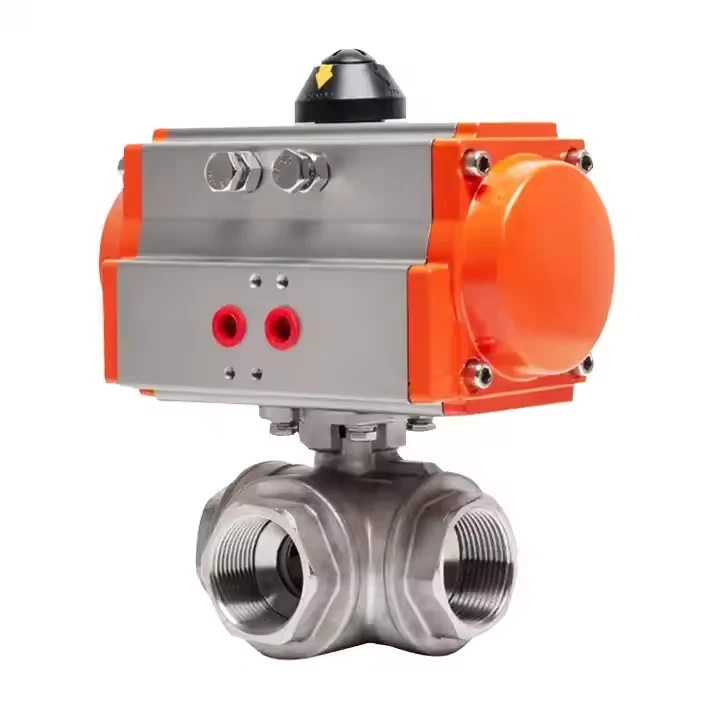
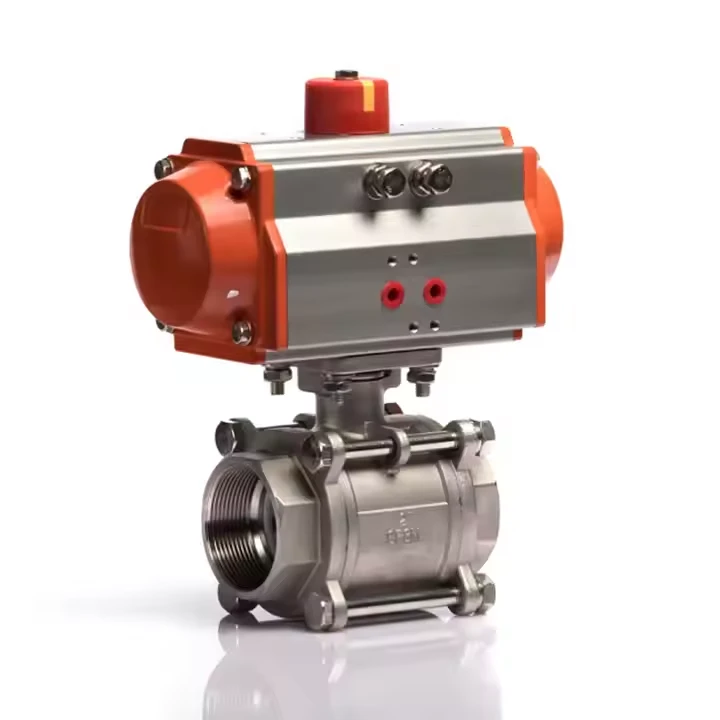
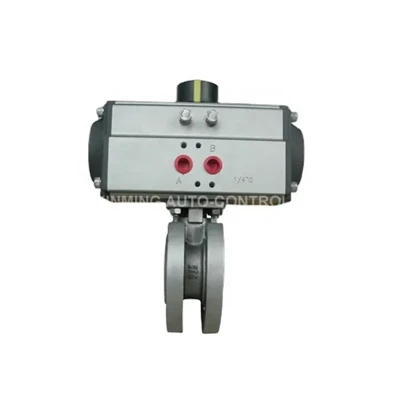
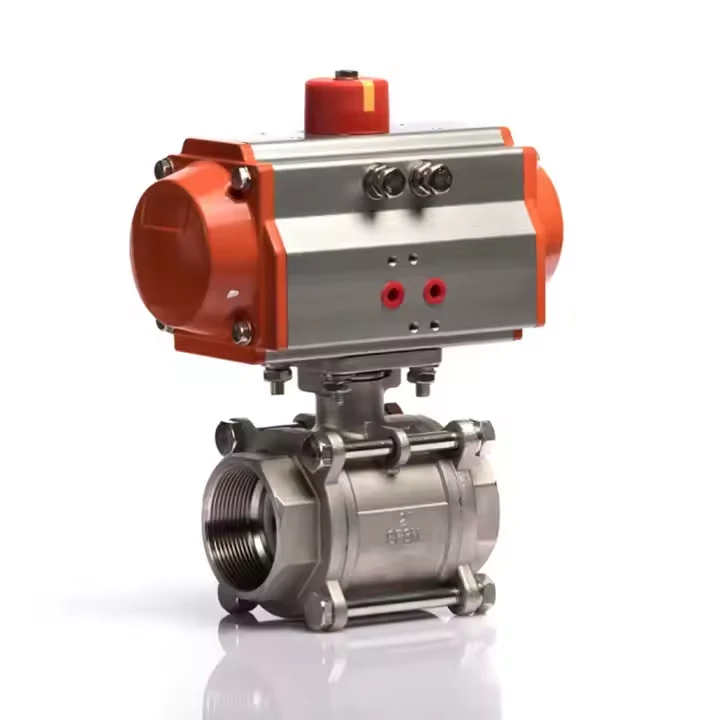
If you're in need of high-quality WCB Ball Valves or replacement parts, we're here to help. We offer a wide range of products, including 3-Way Ball Valve With 180° Pneumatic Actuator, Pneumatic Thread Ball Valves For Industrial Flow Control, and High Performance Pneumatic Thin Ball Valve. Contact us today to discuss your requirements and start a procurement negotiation.
References
- "Valve Handbook" by J. A. Metzger
- "Mechanical Engineering Handbook" by Myer Kutz