Can a ceramic ball valve be used for slurry applications?
Slurry applications present unique challenges in the industrial world, mainly due to the abrasive and corrosive nature of slurries. These mixtures of solid particles and liquids can cause significant wear and tear on valves, leading to reduced efficiency and frequent replacements. As a leading ceramic ball valve supplier, I am often asked whether ceramic ball valves are suitable for slurry applications. In this blog post, I will delve into the characteristics of ceramic ball valves and evaluate their viability for handling slurries.
Understanding Slurry Applications
Before discussing the suitability of ceramic ball valves for slurry applications, it is essential to understand the nature of slurries. Slurries are commonly found in industries such as mining, chemical processing, power generation, and wastewater treatment. They can consist of various solid particles, including sand, gravel, ore, and chemicals, suspended in a liquid medium, typically water. The abrasive and corrosive properties of slurries can cause severe damage to traditional metal valves, resulting in leaks, reduced flow control, and shortened valve lifespan.
Advantages of Ceramic Ball Valves for Slurry Applications
Ceramic ball valves offer several advantages that make them well-suited for slurry applications:

1. High Abrasion Resistance
Ceramics are known for their exceptional hardness and wear resistance. Compared to traditional metal valves, ceramic ball valves can withstand the abrasive action of solid particles in slurries much better. This means less wear on the valve components, leading to longer service life and reduced maintenance costs. For example, in mining operations where slurries contain high concentrations of abrasive minerals, ceramic ball valves can significantly outperform metal valves.
2. Corrosion Resistance
Many slurries are corrosive due to the presence of chemicals or acidic/alkaline substances. Ceramics are highly resistant to corrosion, making ceramic ball valves ideal for handling corrosive slurries. They can maintain their integrity even in harsh chemical environments, ensuring reliable and long-term operation.
3. Tight Shut - Off
Ceramic ball valves can provide a tight shut - off, which is crucial in slurry applications. A proper shut - off prevents leakage of the slurry, which can be both costly and environmentally hazardous. The smooth surface of the ceramic ball and seat allows for a precise seal, minimizing the risk of leakage.

4. Low Friction
The low friction coefficient of ceramics reduces the torque required to operate the valve. This makes it easier to open and close the valve, especially in high - pressure slurry systems. Lower friction also means less wear on the valve stem and actuator, further extending the valve's lifespan.
Case Studies of Ceramic Ball Valves in Slurry Applications
Let's look at some real - world examples where ceramic ball valves have been successfully used in slurry applications:
In a mining plant, the transportation of ore slurries is a critical process. Traditional metal ball valves were experiencing rapid wear and tear, leading to frequent replacements and significant downtime. After switching to ceramic ball valves, the plant noticed a substantial improvement in valve performance. The ceramic ball valves were able to withstand the abrasive ore particles for a much longer time, reducing maintenance costs and increasing the overall efficiency of the slurry transportation system.
In a chemical processing plant, corrosive slurries were causing severe damage to metal valves. The use of ceramic ball valves solved this problem. The corrosion - resistant properties of ceramics ensured that the valves remained functional even when exposed to highly corrosive chemicals, resulting in a more reliable and cost - effective operation.
Considerations When Using Ceramic Ball Valves for Slurries
While ceramic ball valves offer many advantages for slurry applications, there are also some considerations to keep in mind:

1. Brittleness
Ceramics are brittle materials, which means they can be prone to cracking if subjected to excessive impact or stress. Care must be taken during installation and operation to avoid any sudden shocks or over - tightening of the valve.
2. Cost
Ceramic ball valves are generally more expensive than traditional metal valves. However, when considering the long - term savings in terms of reduced maintenance and replacement costs, the higher upfront cost can be justified, especially in applications where valve failure can cause significant disruptions.
3. Compatibility with System
It is essential to ensure that the ceramic ball valve is compatible with the rest of the slurry handling system. This includes considerations such as pressure ratings, temperature limits, and flow rates.
Other Valve Options for Slurry Applications
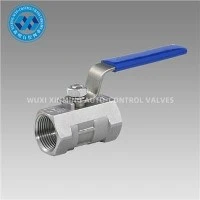
In addition to ceramic ball valves, there are other valve types that can be used for slurry applications. For example, the Tee High Platform Stainless Steel T - L - type Pneumatic Ball Valve is a popular choice in some industries. It offers good flow control and can handle a certain degree of abrasion. The 1PC Thread Ball Valve is also suitable for smaller - scale slurry applications, providing a simple and cost - effective solution. And the Sanitary Stainless Steel Three - way Ball Valve Double Acting Actuator can be used in applications where precise flow diversion and control are required.
Conclusion
In conclusion, ceramic ball valves can be an excellent choice for slurry applications. Their high abrasion resistance, corrosion resistance, tight shut - off, and low friction make them well - suited to handle the challenges posed by slurries. While there are some considerations such as brittleness and cost, the long - term benefits often outweigh these drawbacks.
If you are looking for a reliable valve solution for your slurry application, I encourage you to consider ceramic ball valves. As a trusted ceramic ball valve supplier, we have a wide range of products to meet your specific needs. Whether you are in the mining, chemical, or any other industry that deals with slurries, our valves can provide you with the performance and durability you require.
Contact us today to discuss your requirements and explore how our ceramic ball valves can improve your slurry handling system. We look forward to the opportunity to work with you and provide you with the best valve solutions for your business.
References
- ASM Handbook Volume 4A: Heat Treating of Nonferrous Alloys. ASM International.
- Valve Handbook, 4th Edition. Clémentine de Montgolfier, et al.