Maintaining a pneumatic actuator is crucial for ensuring its long - term performance, reliability, and safety. As a pneumatic actuator supplier, I understand the importance of proper maintenance. In this blog, I'll share some key steps and best practices to help you keep your pneumatic actuators in top - notch condition.
Regular Inspection
The first step in maintaining a pneumatic actuator is regular inspection. This should be done at frequent intervals, depending on the actuator's usage and the environment it operates in. For high - usage actuators in harsh industrial settings, inspections might be required monthly or even weekly.
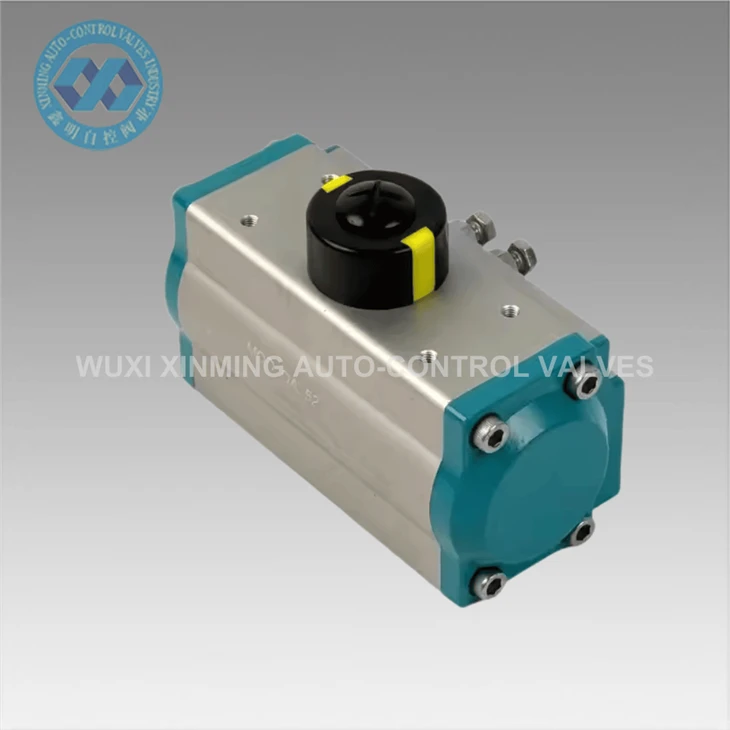
- Visual Inspection: Start by visually examining the actuator for any signs of physical damage, such as cracks, dents, or corrosion. Pay close attention to the housing, especially if it's an Aluminum Alloy Housing Pneumatic Actuator. Aluminum alloy is known for its durability, but it can still be affected by environmental factors over time. Check for any loose or missing fasteners, as these can lead to misalignment and reduced performance.
- Seal Inspection: The seals in a pneumatic actuator are vital for preventing air leaks. Inspect the seals for wear, tear, or signs of aging. A damaged seal can cause a loss of pressure, which will directly impact the actuator's ability to function properly. If you notice any issues with the seals, replace them immediately.
- Connection Inspection: Examine all the air connections, including hoses and fittings. Make sure they are properly tightened and there are no signs of leaks. Loose connections can lead to a decrease in air pressure and inconsistent actuator operation.
Cleaning
Cleaning is an essential part of pneumatic actuator maintenance. Dust, dirt, and debris can accumulate on the actuator over time, which can cause abrasion and damage to internal components.
- External Cleaning: Use a soft brush or compressed air to remove any loose dirt and debris from the outside of the actuator. If there are stubborn stains, you can use a mild detergent and a damp cloth to clean the surface. Be careful not to get any liquid inside the actuator, as this can cause damage to the electrical or mechanical components.
- Internal Cleaning: In some cases, internal cleaning may be necessary. However, this should only be done by a trained professional. If you suspect that there is a significant amount of dirt or debris inside the actuator, it's best to contact a service technician. They have the tools and expertise to disassemble the actuator safely and clean the internal components without causing damage.
Lubrication
Proper lubrication is key to ensuring smooth operation and reducing wear on the moving parts of a pneumatic actuator.
- Choose the Right Lubricant: Select a lubricant that is compatible with the materials used in the actuator. Different actuators may require different types of lubricants, so it's important to refer to the manufacturer's recommendations.
- Lubrication Frequency: The frequency of lubrication depends on the actuator's usage. For actuators that are used frequently, lubrication may be required every few months. However, for actuators that are used less often, lubrication can be done annually.
- Lubrication Points: Identify the lubrication points on the actuator, which are usually indicated in the user manual. Apply the lubricant carefully to these points, making sure not to over - lubricate, as this can attract dirt and debris.
Pressure and Flow Regulation
Maintaining the correct air pressure and flow is essential for the proper operation of a pneumatic actuator.
- Pressure Checks: Regularly check the air pressure supplied to the actuator. Use a pressure gauge to ensure that the pressure is within the recommended range specified by the manufacturer. If the pressure is too high or too low, it can cause the actuator to malfunction or wear out prematurely.
- Flow Regulation: Adjust the flow rate of the air to the actuator as needed. This can be done using a flow control valve. Proper flow regulation ensures that the actuator moves at the correct speed and with the appropriate force.
Temperature and Environment Management
The temperature and environment in which the pneumatic actuator operates can have a significant impact on its performance and lifespan.
- Temperature Control: Pneumatic actuators are designed to operate within a certain temperature range. If the temperature is too high or too low, it can affect the performance of the seals, lubricants, and other components. In high - temperature environments, use heat shields or cooling systems to keep the actuator within the recommended temperature range. In cold environments, insulation may be required to prevent freezing.
- Environmental Protection: Protect the actuator from harsh environmental conditions, such as dust, moisture, and chemicals. If the actuator is used in an industrial setting with high levels of dust, consider using a dust cover. In wet or corrosive environments, choose an actuator with a corrosion - resistant housing, such as the Aluminum Alloy Housing Pneumatic Actuators Double Acting, Suitable For All Industrial And Construction Valve Fields.
Testing and Calibration
Periodic testing and calibration of the pneumatic actuator are necessary to ensure its accuracy and reliability.
- Function Testing: Perform regular function tests to check if the actuator is moving smoothly and accurately. This can be done by operating the actuator through its full range of motion and observing its performance. If there are any issues, such as jerky movements or incomplete strokes, further investigation is required.
- Calibration: Calibrate the actuator as needed to ensure that it is operating at the correct position and with the appropriate force. This may involve adjusting the limit switches or other control settings. Calibration should be done according to the manufacturer's instructions.
Training and Documentation
Proper training for the personnel who operate and maintain the pneumatic actuators is essential.
- Training: Provide training to the operators and maintenance staff on how to properly use and maintain the actuators. This includes safety procedures, inspection techniques, and troubleshooting methods. Well - trained personnel are more likely to identify and address issues early, which can prevent costly breakdowns.
- Documentation: Keep detailed records of all maintenance activities, including inspections, cleaning, lubrication, and repairs. This documentation can be used to track the actuator's performance over time, identify recurring issues, and plan for future maintenance.
Troubleshooting
Even with proper maintenance, issues may still arise with pneumatic actuators. Here are some common problems and their possible solutions:
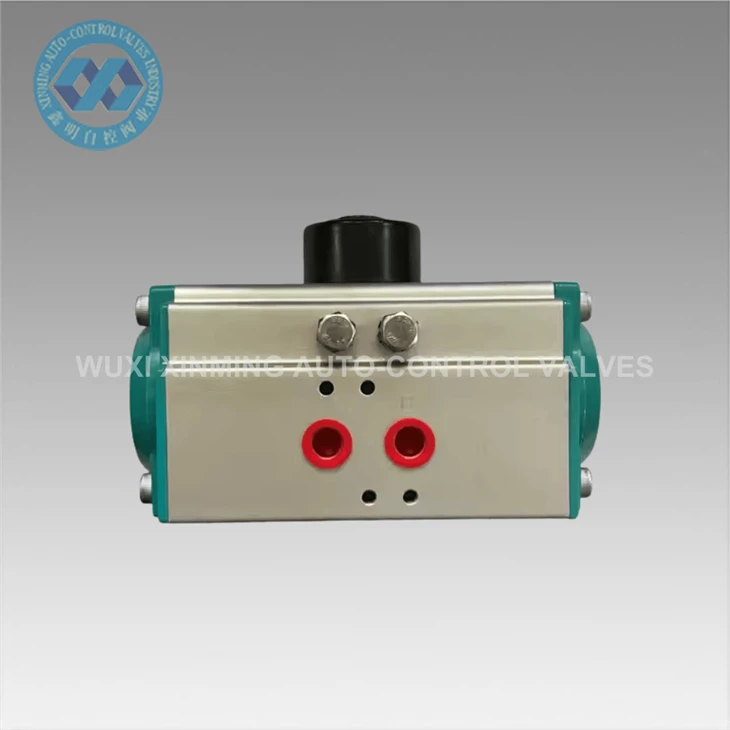
- Air Leaks: As mentioned earlier, air leaks can be caused by damaged seals or loose connections. Check the seals and connections and replace or tighten them as necessary.
- Slow or Inconsistent Movement: This can be due to low air pressure, a clogged filter, or worn - out components. Check the air pressure, clean or replace the filter, and inspect the internal components for wear.
- Failure to Move: This could be caused by a lack of air supply, a faulty valve, or a mechanical problem. Check the air supply, test the valve, and inspect the mechanical components for damage.
In conclusion, maintaining a pneumatic actuator requires a combination of regular inspection, cleaning, lubrication, pressure and flow regulation, temperature and environment management, testing, calibration, training, and troubleshooting. By following these best practices, you can ensure that your pneumatic actuators operate efficiently and reliably for a long time.
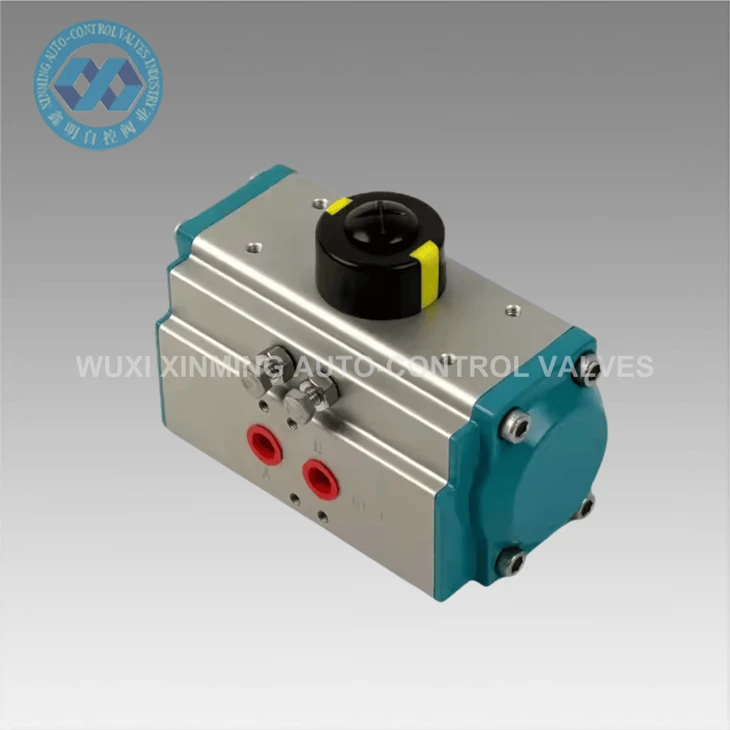
If you're in the market for high - quality pneumatic actuators or need more information on maintenance, feel free to contact us. We offer a wide range of products, including the 120° Rotary Pneumatic Actuation System, and our team of experts is always ready to assist you with your procurement needs.
References
- "Pneumatic Actuator Handbook" by Industry Press
- Manufacturer's manuals for various pneumatic actuators