Solenoid valves are crucial components in various industrial and commercial applications, controlling the flow of liquids and gases. However, one of the significant challenges in their use is corrosion, which can lead to reduced performance, increased maintenance costs, and even system failures. As a solenoid valve supplier, we understand the importance of providing corrosion-resistant materials to ensure the longevity and reliability of our products. In this blog, we will explore some of the most common corrosion-resistant materials used in solenoid valves.
Stainless Steel
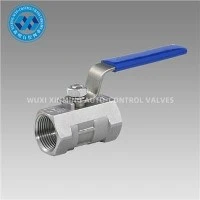
Stainless steel is one of the most widely used materials for solenoid valves due to its excellent corrosion resistance. It contains chromium, which forms a passive oxide layer on the surface of the metal, protecting it from further oxidation and corrosion. Different grades of stainless steel offer varying levels of corrosion resistance, with 304 and 316 being the most commonly used in solenoid valve applications.
Grade 304 stainless steel, also known as 18-8 stainless steel, contains 18% chromium and 8% nickel. It provides good general corrosion resistance in a wide range of environments, including mild acids, alkalis, and salts. This makes it suitable for many industrial and commercial applications, such as water treatment, food and beverage processing, and HVAC systems.
Grade 316 stainless steel, on the other hand, contains molybdenum in addition to chromium and nickel. The molybdenum enhances the corrosion resistance, especially in environments containing chlorides, such as seawater and some chemical solutions. Grade 316 stainless steel is often used in marine applications, chemical processing plants, and pharmaceutical manufacturing.
At our company, we offer a variety of solenoid valves made from high-quality stainless steel. For example, our Pneumatic Air Control Solenoid Valve Fast Response Type is available in stainless steel construction, providing reliable performance in corrosive environments.
Brass
Brass is another popular material for solenoid valves, especially in applications where cost and ease of machining are important factors. Brass is an alloy of copper and zinc, and it offers good corrosion resistance in many environments. However, its corrosion resistance can be affected by the presence of certain chemicals and environmental conditions.
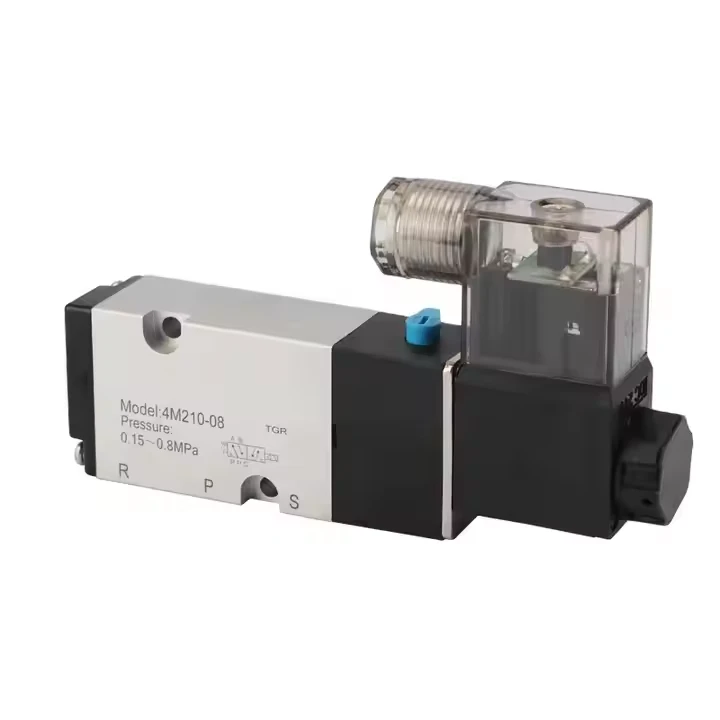
Brass is commonly used in water and gas applications, such as plumbing systems and HVAC controls. It is also suitable for some low-pressure and low-temperature applications. In general, brass solenoid valves are more affordable than those made from stainless steel, making them a cost-effective choice for many customers.
Our company offers a range of brass solenoid valves, including the 4M210-08 52 Way 5-port Electric Actuator Solenoid Valve Air Valve. These valves are designed for reliable performance in various applications, providing a cost-effective solution for customers.
PVC (Polyvinyl Chloride)
PVC is a synthetic plastic polymer that is widely used in the manufacturing of solenoid valves. It offers excellent corrosion resistance, especially in acidic and alkaline environments. PVC is also lightweight, easy to install, and relatively inexpensive.

PVC solenoid valves are commonly used in water treatment systems, chemical processing plants, and irrigation systems. They are suitable for handling a wide range of fluids, including water, acids, alkalis, and some chemicals. However, PVC has limitations in terms of temperature and pressure resistance, and it may not be suitable for high-temperature or high-pressure applications.
We offer OEM Double Acting Spring Return Dn300Mm mm Upvc Pneumatic Butterfly Valve 1.5 Inches Customizable Pneumatic Valve Butterfly Type, which is made from PVC material. These valves are designed to provide reliable performance in corrosive environments, offering a cost-effective and customizable solution for our customers.
Titanium
Titanium is a highly corrosion-resistant metal that is used in some high-performance solenoid valve applications. It has excellent resistance to corrosion in a wide range of environments, including seawater, acids, and alkalis. Titanium is also lightweight and has high strength, making it suitable for applications where weight and strength are important factors.
However, titanium is relatively expensive compared to other materials, and its processing can be more challenging. As a result, titanium solenoid valves are typically used in specialized applications, such as aerospace, marine, and chemical processing industries.
Ceramic
Ceramic materials are known for their excellent corrosion resistance, hardness, and wear resistance. They are often used in solenoid valves for applications where high chemical resistance and long service life are required. Ceramic solenoid valves can handle a wide range of corrosive fluids, including strong acids and alkalis.
However, ceramic materials are brittle and can be prone to cracking under mechanical stress. They also have relatively low thermal conductivity, which may limit their use in some high-temperature applications.
Choosing the Right Corrosion-Resistant Material
When choosing a corrosion-resistant material for solenoid valves, several factors need to be considered: 1. Fluid Type: The type of fluid that the solenoid valve will be handling is the most important factor. Different fluids have different chemical properties, and some may be more corrosive than others. For example, seawater contains chlorides, which can cause corrosion in many metals, while some chemicals may react with certain materials. 2. Environmental Conditions: The environmental conditions in which the solenoid valve will be installed also need to be considered. Factors such as temperature, humidity, and the presence of pollutants can affect the corrosion rate of the material. 3. Pressure and Temperature Requirements: The pressure and temperature requirements of the application will determine the strength and thermal resistance of the material. Some materials may not be suitable for high-pressure or high-temperature applications. 4. Cost: Cost is always a consideration when choosing a material. While some materials, such as titanium and ceramic, offer excellent corrosion resistance, they can be more expensive than other materials.
As a solenoid valve supplier, we can help you choose the right corrosion-resistant material for your specific application. Our team of experts has extensive knowledge and experience in the field of solenoid valves, and we can provide you with customized solutions based on your requirements.
Conclusion
Corrosion is a significant challenge in the use of solenoid valves, but by choosing the right corrosion-resistant material, you can ensure the longevity and reliability of your valves. Stainless steel, brass, PVC, titanium, and ceramic are some of the most common materials used in solenoid valves, each with its own advantages and limitations.

At our company, we offer a wide range of solenoid valves made from different corrosion-resistant materials. Whether you need a valve for a water treatment system, a chemical processing plant, or a marine application, we can provide you with the right solution.
If you are interested in our solenoid valves or have any questions about corrosion-resistant materials, please feel free to contact us for procurement and further discussions. We look forward to working with you to meet your solenoid valve needs.

References
- ASM Handbook, Volume 13A: Corrosion: Fundamentals, Testing, and Protection. ASM International.
- Corrosion Resistance of Metals and Alloys. L. L. Shreir, R. A. Jarman, and G. T. Burstein (Eds.). Butterworth-Heinemann.
- Handbook of Corrosion Data. Bruce D. Craig. McGraw-Hill.