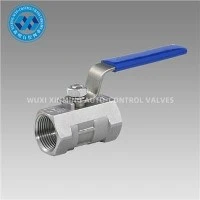
Hey there! As a supplier of thin ball valves, I often get asked about how to replace the valve packing of a thin ball valve. It's a crucial maintenance task that can extend the life of your valve and ensure it operates smoothly. So, let's dive right into it.
Why Replace Valve Packing?
First off, you might be wondering why you need to replace the valve packing in the first place. Well, over time, the packing can wear out due to constant friction, exposure to different media, and temperature changes. When this happens, it can lead to leaks, which not only waste resources but can also pose safety risks. Replacing the packing at the right time can prevent these issues and keep your thin ball valve in top-notch condition.
Tools You'll Need
Before you start the replacement process, you'll need to gather some tools. Here's a quick list:
- Wrenches: You'll need the right-sized wrenches to remove the bolts and nuts holding the valve bonnet in place.
- Packing materials: Make sure you have the correct type of packing material for your thin ball valve. Different valves may require different materials, so check your valve's specifications.
- A clean cloth: To wipe down the valve parts and keep them free of debris.
- A flat - bladed screwdriver: This can come in handy for removing the old packing.
Step 1: Shut Down the System
Safety first! Before you start working on the valve, you need to shut down the system that the thin ball valve is part of. This means turning off the flow of the fluid or gas that the valve controls. You should also relieve any pressure in the valve by opening a downstream valve or using a pressure - relief device.
Step 2: Remove the Valve Bonnet
Once the system is shut down and depressurized, it's time to remove the valve bonnet. Use your wrenches to loosen and remove the bolts and nuts that hold the bonnet in place. Be careful not to drop the bolts or nuts, as they can be easily lost. Once the bonnet is loose, gently lift it off the valve body.
Step 3: Remove the Old Packing
With the bonnet removed, you'll be able to see the old packing. Use your flat - bladed screwdriver to carefully pry out the old packing. Make sure you remove all of it, as any remaining pieces can interfere with the installation of the new packing. As you remove the packing, wipe down the valve stem and the packing cavity with a clean cloth to remove any dirt or debris.
Step 4: Inspect the Valve Stem and Packing Cavity
While the old packing is out, take a moment to inspect the valve stem and the packing cavity. Look for any signs of wear, damage, or corrosion. If you notice any issues, you may need to repair or replace the affected parts before installing the new packing. A damaged valve stem or packing cavity can cause the new packing to wear out quickly.
Step 5: Install the New Packing
Now comes the fun part - installing the new packing. Cut the packing material to the appropriate length, making sure it fits snugly into the packing cavity. Start by placing the first ring of packing at the bottom of the cavity. Use your fingers or a packing tool to press it down firmly. Then, add additional rings of packing, one by one, making sure each ring is properly seated and aligned.
Step 6: Reassemble the Valve
Once the new packing is installed, it's time to reassemble the valve. Place the valve bonnet back on the valve body and align it properly. Then, insert the bolts and nuts and tighten them gradually in a criss - cross pattern. This ensures that the bonnet is evenly tightened and prevents leaks.
Step 7: Test the Valve
After reassembling the valve, it's important to test it to make sure it's working properly. Slowly open the valve and check for any leaks. If you notice any leaks, you may need to tighten the bonnet bolts a little more or check the packing installation.


Additional Tips
- Always follow the manufacturer's instructions when replacing the valve packing. Different thin ball valves may have specific requirements.
- Keep a record of when you replaced the packing. This can help you plan future maintenance and ensure that the valve is properly maintained.
At our company, we offer a wide range of thin ball valves, including Pneumatic Actuated Three - Way Stainless Steel Ball Valve, Chinese Pneumatic Actuator Wafer Thin Ball Valve Factory Price, and Electrical Ball Valve. If you have any questions about valve packing replacement or need to purchase a new thin ball valve, feel free to get in touch with us. We're here to help you find the best solutions for your needs. Whether you're a small business or a large industrial operation, we can provide you with high - quality valves at competitive prices.
If you're interested in learning more about our products or need assistance with your valve selection, don't hesitate to reach out. We're always happy to have a chat and discuss how we can meet your specific requirements. Let's work together to keep your systems running smoothly!
References
- Valve Maintenance Handbook
- Manufacturer's Manuals for Thin Ball Valves