

Retrofitting an existing system with a pneumatic actuator can significantly enhance its performance, efficiency, and reliability. As a pneumatic actuator supplier, I've witnessed firsthand how these upgrades can transform a system. In this blog post, I'll share some insights and steps on how to retrofit your existing system with a pneumatic actuator.
Why Retrofitting with a Pneumatic Actuator?
Before diving into the retrofit process, it's worth understanding why you might want to consider a pneumatic actuator. Pneumatic actuators use compressed air to generate motion, which is a clean, efficient, and cost - effective solution. They're known for their high power - to - weight ratio, fast response times, and ability to operate in harsh environments. Whether you're in the manufacturing, oil and gas, or food and beverage industry, a pneumatic actuator can be a game - changer.
Step 1: Assessing the Existing System
The first step in any retrofit project is to thoroughly assess the existing system. You need to understand how the current system works, what its limitations are, and what requirements the new actuator will need to meet. Here are some key points to consider:
- Functionality: What is the purpose of the system? Is it for on - off control, or does it require precise positioning? Understanding the system's functionality will help you choose the right type of pneumatic actuator. For example, if you need on - off control, an On - off Pneumatic Actuator might be a suitable option.
- Load and Torque Requirements: Determine the load that the actuator will need to move and the torque required to operate it. This will depend on factors such as the size and weight of the valve or mechanism being actuated.
- Space Constraints: Measure the available space in the system where the actuator will be installed. You need to make sure that the new actuator will fit without causing any interference with other components.
- Environmental Conditions: Consider the operating environment of the system. If it's a dirty, wet, or high - temperature environment, you'll need to choose an actuator that can withstand these conditions.
Step 2: Selecting the Right Pneumatic Actuator
Once you've assessed the existing system, it's time to select the right pneumatic actuator. Here are some factors to consider:
- Type of Actuator: There are different types of pneumatic actuators, such as piston - type, diaphragm - type, and vane - type actuators. Each type has its own advantages and is suitable for different applications. For large valves that require high response speed, a Suitable For Large Valve High Response Speed Fork Actuator could be a great choice.
- Size and Capacity: Make sure the actuator's size and capacity match the load and torque requirements of the system. An undersized actuator won't be able to perform the task, while an oversized actuator will be more expensive and may not fit properly.
- Mounting and Connection: Check the mounting options and connection requirements of the actuator. It should be compatible with the existing system and easy to install.
- Special Features: Some actuators come with special features like explosion - proof design, fail - safe operation, or position feedback. Depending on your application, these features may be necessary. For example, if you're in the oil and gas industry, a Reliable Pneumatic Valve Actuator For Oil & Gas Applications with explosion - proof capabilities might be essential.
Step 3: Preparing for Installation
Before installing the new pneumatic actuator, you need to make some preparations:
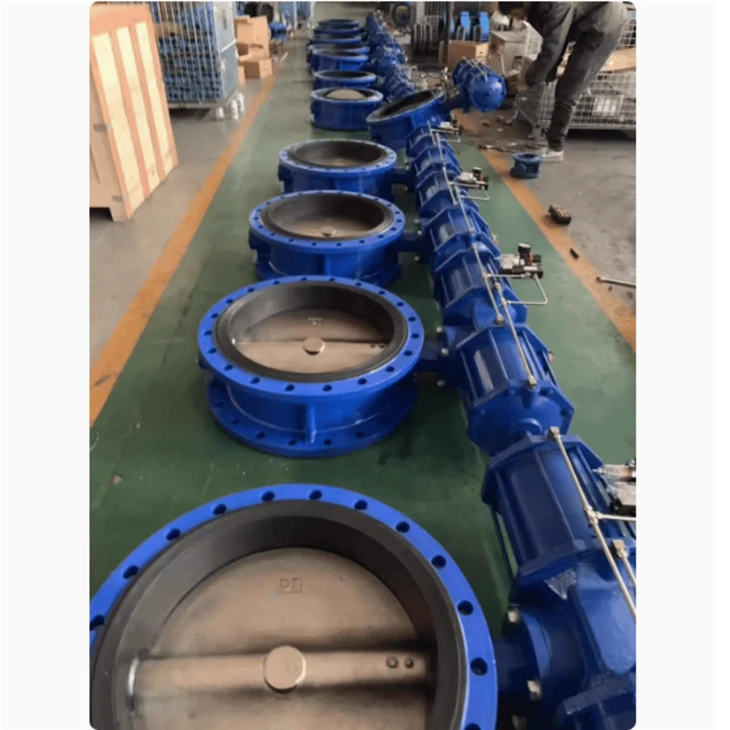
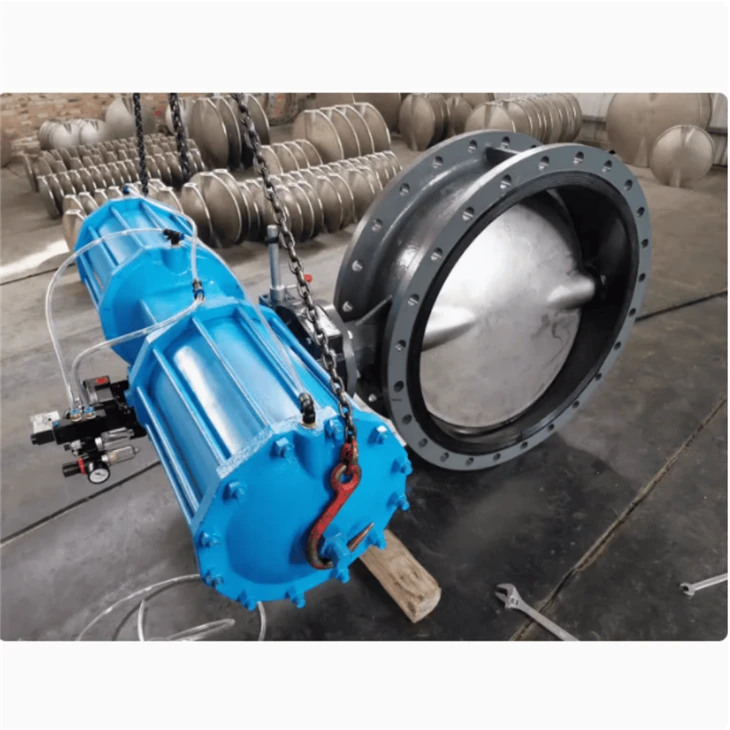
- Gather Tools and Materials: Collect all the necessary tools, such as wrenches, screwdrivers, and sealants. Also, make sure you have all the required mounting hardware and fittings.
- Shut Down the System: For safety reasons, shut down the existing system and isolate it from the power source and any other utilities.
- Clean the Installation Area: Remove any dirt, debris, or old components from the installation area to ensure a clean and proper fit for the new actuator.
Step 4: Installing the Pneumatic Actuator
The installation process can vary depending on the type of actuator and the system. However, here are some general steps:
- Mount the Actuator: Use the appropriate mounting hardware to attach the actuator to the system. Make sure it's securely fastened and aligned correctly.
- Connect the Air Supply: Connect the actuator to the compressed air supply using the appropriate tubing and fittings. Make sure there are no air leaks by performing a pressure test.
- Connect the Control System: If the actuator is controlled by a control system, connect the electrical or pneumatic signals to the actuator. Double - check the wiring or tubing connections to ensure proper operation.
Step 5: Testing and Commissioning
After the installation is complete, it's time to test and commission the new pneumatic actuator:
- Initial Checks: Check all the connections again to make sure they're tight and secure. Inspect the actuator for any visible damage.
- Functional Testing: Start the system and test the actuator's functionality. Check if it can perform the required operations, such as opening and closing a valve or moving a mechanism. Make any necessary adjustments to the control settings.
- Performance Testing: Conduct performance tests to ensure that the actuator meets the required specifications, such as response time, accuracy, and torque output.
Step 6: Maintenance and Support
Once the pneumatic actuator is up and running, regular maintenance is crucial to ensure its long - term performance. Here are some maintenance tips:
- Lubrication: If the actuator requires lubrication, follow the manufacturer's recommendations for the type and frequency of lubrication.
- Inspection: Regularly inspect the actuator for signs of wear, damage, or leaks. Replace any worn or damaged components promptly.
- Filter and Regulator Maintenance: Keep the air filters and regulators clean and functioning properly to ensure a consistent supply of clean compressed air.
As a pneumatic actuator supplier, I'm here to offer you the best products and support for your retrofit project. If you have any questions about choosing the right actuator, installation, or maintenance, don't hesitate to reach out. Whether you're looking for a simple on - off actuator or a high - performance solution for a large - scale industrial application, we've got you covered. Contact us to discuss your specific requirements and start the procurement process.
References
- Pneumatic Actuator Handbook, Industry Standard Publication
- Technical Papers on Pneumatic Actuator Applications, Various Industry Journals




