Hey there! As a supplier of PVC butterfly valves, I've seen my fair share of valve leakage issues. It's a real headache for both us suppliers and our customers. Leakage not only causes a waste of resources but can also lead to safety hazards in some cases. So, in this blog, I'm gonna share some tips on how to prevent leakage in a PVC butterfly valve.
Understanding the Basics of PVC Butterfly Valves
First off, let's quickly go over what a PVC butterfly valve is. It's a type of valve that uses a disc - shaped closure element to control the flow of fluid through a pipe. The disc rotates around an axis perpendicular to the flow direction. PVC, or polyvinyl chloride, is a popular material for these valves because it's corrosion - resistant, lightweight, and cost - effective.
But like any other valve, PVC butterfly valves can develop leaks. There are several reasons for this, such as improper installation, wear and tear, or using the valve in an environment it's not designed for.
Proper Installation
One of the most crucial steps in preventing leakage is proper installation. If the valve isn't installed correctly, it's almost guaranteed to leak sooner or later.
Alignment
When installing a PVC butterfly valve, make sure it's properly aligned with the pipeline. Misalignment can put stress on the valve body and the sealing components, causing them to deform and eventually leak. Check that the valve's flange holes match up perfectly with the pipeline's flange holes. Use alignment tools if necessary to ensure a precise fit.
Torque
Another important factor is the tightening torque of the bolts. You need to use the right amount of torque when tightening the bolts that connect the valve to the pipeline. If you overtighten the bolts, you can damage the valve's flange or the gasket, leading to leakage. On the other hand, if you undertighten them, the connection won't be secure enough, and fluid can seep through. Refer to the manufacturer's specifications for the recommended torque values.
Choosing the Right Sealing Materials
The sealing materials used in a PVC butterfly valve play a huge role in preventing leakage. There are different types of seals available, and choosing the right one depends on the application.
EPDM Seals
EPDM (ethylene propylene diene monomer) seals are a popular choice for many PVC butterfly valve applications. They're resistant to a wide range of chemicals, including water, acids, and alkalis. EPDM seals also have good flexibility, which allows them to form a tight seal even under different pressure conditions.
Viton Seals
If your application involves high - temperature fluids or aggressive chemicals, Viton seals might be a better option. Viton is a synthetic rubber that can withstand high temperatures and is highly resistant to chemicals like fuels, oils, and solvents. However, Viton seals are more expensive than EPDM seals, so you need to weigh the cost against the benefits.
Regular Maintenance
Regular maintenance is essential for preventing leakage in PVC butterfly valves. Just like any other mechanical device, valves need to be inspected and serviced regularly to ensure they're in good working condition.

Inspection
Periodically inspect the valve for signs of wear and tear. Check the valve body for cracks or damage, and examine the sealing components for signs of degradation. Look for any signs of leakage around the valve, such as wet spots or drips. If you notice any issues, address them immediately before they get worse.
Lubrication
Some PVC butterfly valves require lubrication to operate smoothly and maintain a good seal. Use a lubricant that's compatible with the valve's materials. Lubricating the valve's moving parts can reduce friction and wear, which helps prevent leakage.
Operating Conditions
The operating conditions of the valve can also affect its sealing performance. Make sure the valve is used within its specified pressure and temperature limits.
Pressure
Exceeding the valve's maximum pressure rating can cause the sealing components to fail. If the pressure in the pipeline is too high, it can force fluid past the seal, resulting in leakage. Check the valve's pressure rating and make sure the system pressure doesn't go beyond it.
Temperature
Similarly, extreme temperatures can also affect the performance of the valve and its seals. PVC has a limited temperature range, and if the fluid temperature is too high or too low, it can cause the valve to deform or the seals to lose their elasticity. Ensure that the valve is used in an environment where the temperature is within the recommended range.
Upgrading Your Valve
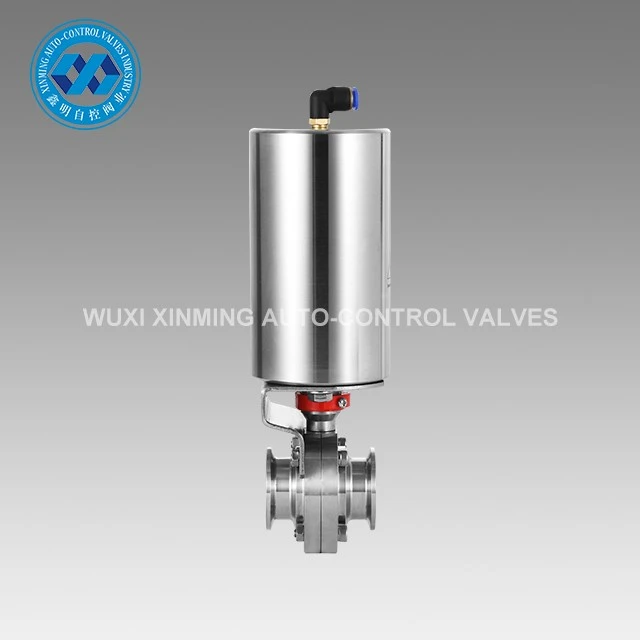
If you're still having leakage issues with your PVC butterfly valve, it might be time to consider upgrading to a more advanced model. For example, you can check out our Pneumatic Actuator Vacuum Butterfly Valve. This valve is designed with advanced sealing technology and can provide better performance in vacuum applications.
Another option is our Sanitary Butterfly Valve. It's ideal for applications in the food and beverage industry, where hygiene is of utmost importance. The sanitary design and high - quality seals ensure that there's no leakage and that the valve meets strict sanitation standards.
We also offer Pneumatic Actuator - operated Butterfly And Piston Valves. These valves are known for their precise control and reliable sealing performance, making them a great choice for various industrial applications.
Conclusion
Preventing leakage in a PVC butterfly valve requires a combination of proper installation, choosing the right sealing materials, regular maintenance, and using the valve within its specified operating conditions. By following these tips, you can significantly reduce the risk of leakage and ensure that your valve operates smoothly and efficiently.
If you're interested in our PVC butterfly valves or need more information on preventing leakage, feel free to reach out to us. We're always happy to help you find the right valve solution for your needs. Let's start a conversation and see how we can work together to solve your valve - related problems.
References
- Valve Handbook, by Valve Manufacturers Association
- PVC Materials and Their Applications in Fluid Control, industry research report