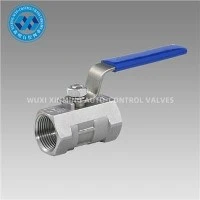
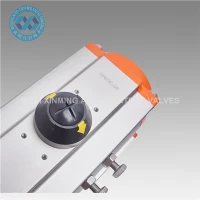
Selecting the right sanitary ball valve for your pipeline is crucial, especially when the pipeline diameter comes into play. As a sanitary ball valve supplier, I've dealt with numerous clients who are often confused about this process. In this blog, I'll share some insights on how to make the best choice based on the pipeline diameter.
Understanding Pipeline Diameter Basics
First off, let's get a handle on what pipeline diameter means. It's simply the measurement across the inside of the pipeline. This measurement is super important because it directly affects the flow rate of the fluid or gas passing through the pipeline. A larger diameter generally allows for a higher flow rate, while a smaller one restricts it.
When you're looking at sanitary ball valves, you need to match the valve size to the pipeline diameter. If the valve is too small, it can cause a bottleneck, reducing the flow and potentially causing damage to the system. On the other hand, if it's too large, it might not seal properly, leading to leaks and inefficiencies.
Measuring Pipeline Diameter
Before you start shopping for a sanitary ball valve, you need to measure your pipeline diameter accurately. You can use a caliper or a measuring tape. Make sure to measure the inside diameter, not the outside. If you're not sure how to do this, there are plenty of online guides that can walk you through the process.
Once you have the measurement, it's a good idea to double - check it. Sometimes, pipelines can have slight variations in diameter along their length, so taking multiple measurements at different points is a smart move.
Matching Valve Size to Pipeline Diameter
Now that you have your pipeline diameter, it's time to find the right valve size. Most sanitary ball valves are sized in inches or millimeters, just like pipelines. You want to find a valve with an opening that matches or is very close to your pipeline diameter.
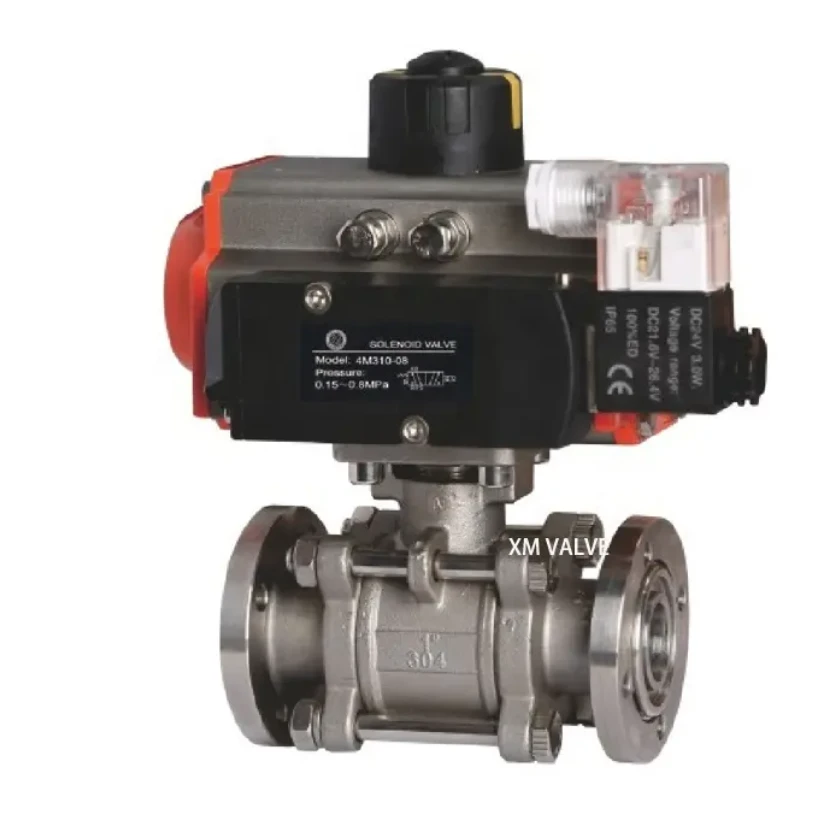
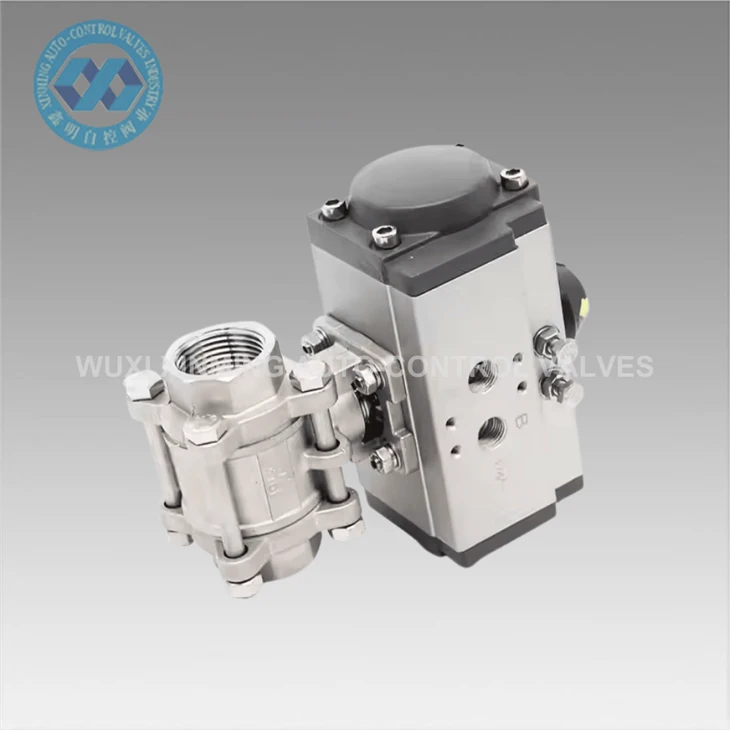
For example, if your pipeline has a diameter of 2 inches, you'd look for a 2 - inch sanitary ball valve. It's important to note that there are different standards for valve sizing in different regions, so make sure you're using the right one for your area.
Flow Requirements
In addition to matching the valve size to the pipeline diameter, you also need to consider your flow requirements. If you have a high - flow application, you might need a valve with a larger opening than your pipeline diameter to ensure smooth flow. On the other hand, if you have a low - flow application, a slightly smaller valve might work just fine.
Let's say you're working on a water purification system. You can check out our Water Purification Pneumatic 3PC Thread Ball Valve With Pneumatic Actuator. It's designed to handle specific flow requirements in water purification setups and comes in various sizes to match different pipeline diameters.
Pressure Considerations
Pressure is another factor that comes into play when selecting a sanitary ball valve based on pipeline diameter. Higher pressures require stronger valves that can withstand the force without leaking or breaking.
If you're dealing with high - pressure systems, you might want to look at our Three - Way Ball Valve Design For High - Pressure Systems. These valves are engineered to handle high pressures while still providing a reliable seal.
Material Compatibility
The material of the sanitary ball valve is also important. It needs to be compatible with the fluid or gas flowing through the pipeline. For example, if you're dealing with corrosive substances, you'll need a valve made of a corrosion - resistant material like stainless steel.
As a supplier, we offer a wide range of sanitary ball valves made from different materials to suit various applications. Our High Quality Valve Pneumatic Control Ball Valve is available in different materials, ensuring that you can find one that's perfect for your pipeline.
Installation and Maintenance
When selecting a sanitary ball valve, you also need to think about installation and maintenance. Some valves are easier to install than others, and some require less maintenance.
A valve that's easy to install can save you time and money on labor costs. And a valve that's easy to maintain will have a longer lifespan and keep your system running smoothly. Make sure to ask about installation and maintenance requirements when you're shopping for a valve.
Cost - Benefit Analysis
Finally, you need to do a cost - benefit analysis. While it might be tempting to go for the cheapest valve, it might not be the best choice in the long run. A high - quality valve might cost more upfront, but it can save you money on repairs and replacements down the line.
Consider factors like the valve's lifespan, its performance, and its compatibility with your system. By doing a thorough cost - benefit analysis, you can make an informed decision that meets your needs and your budget.
Conclusion
Selecting a sanitary ball valve based on the pipeline diameter is a multi - step process. You need to measure your pipeline accurately, match the valve size, consider flow and pressure requirements, ensure material compatibility, think about installation and maintenance, and do a cost - benefit analysis.
As a sanitary ball valve supplier, I'm here to help you through this process. If you have any questions or need more information, feel free to reach out. We can work together to find the perfect valve for your pipeline. Whether you're working on a small - scale project or a large industrial system, we have the expertise and the products to meet your needs. So, don't hesitate to contact us for a procurement discussion. We're ready to assist you in getting the best sanitary ball valve for your pipeline.
References
- General knowledge in the field of sanitary ball valves and pipeline systems.
- Industry standards and guidelines for valve sizing and selection.