

As a seasoned supplier of Vacuum Ball Valves, I've witnessed firsthand the critical role that proper cleaning plays in maintaining the efficiency and longevity of these essential components. Vacuum ball valves are widely used in various industries, including chemical processing, pharmaceuticals, and food and beverage, where cleanliness and hygiene are of utmost importance. In this blog post, I'll share my insights on the cleaning agents that are suitable for vacuum ball valves, ensuring they operate at peak performance for years to come.
Understanding the Importance of Cleaning Vacuum Ball Valves
Before delving into the specific cleaning agents, it's crucial to understand why regular cleaning is essential for vacuum ball valves. Over time, these valves can accumulate dirt, debris, and contaminants, which can compromise their sealing integrity and functionality. This can lead to leaks, reduced flow rates, and even complete valve failure, resulting in costly downtime and potential safety hazards.
Regular cleaning helps to remove these contaminants, preventing them from causing damage to the valve components. It also helps to maintain the smooth operation of the valve, ensuring that it opens and closes properly and provides accurate flow control. Additionally, clean valves are less likely to harbor bacteria and other microorganisms, which is particularly important in industries where hygiene is a top priority.
Factors to Consider When Choosing Cleaning Agents
When selecting a cleaning agent for your vacuum ball valves, several factors need to be taken into account. These include:
- Compatibility: The cleaning agent must be compatible with the materials used in the valve construction, including the ball, seat, and seals. Using an incompatible cleaning agent can cause damage to these components, leading to leaks and reduced performance.
- Effectiveness: The cleaning agent should be effective at removing the specific contaminants that are present in your application. Different industries and applications may have different types of contaminants, such as grease, oil, dirt, or chemical residues, so it's important to choose a cleaning agent that is specifically formulated to tackle these contaminants.
- Safety: The cleaning agent should be safe to use, both for the operators and the environment. This means that it should not contain any harmful chemicals or substances that could pose a risk to human health or the environment.
- Ease of use: The cleaning agent should be easy to use, with clear instructions on how to apply it and how long to leave it on the valve. It should also be easy to rinse off, leaving no residue behind.
Suitable Cleaning Agents for Vacuum Ball Valves
Based on my experience as a Vacuum Ball Valve supplier, I recommend the following cleaning agents for different types of contaminants:
- Water: Water is the simplest and most commonly used cleaning agent for vacuum ball valves. It is effective at removing dirt, dust, and other water-soluble contaminants. To clean a valve with water, simply flush it through the valve using a high-pressure water jet or a spray bottle. Make sure to rinse the valve thoroughly to remove all traces of the contaminants.
- Detergents: Detergents are more effective than water at removing grease, oil, and other stubborn contaminants. They are available in a variety of formulations, including liquid, powder, and foam. When using a detergent, make sure to choose one that is compatible with the materials used in the valve construction. Follow the manufacturer's instructions on how to dilute the detergent and how long to leave it on the valve. Rinse the valve thoroughly with water after cleaning to remove all traces of the detergent.
- Solvents: Solvents are effective at removing chemical residues, adhesives, and other tough contaminants. They are available in a variety of types, including organic solvents, such as acetone and ethanol, and inorganic solvents, such as hydrochloric acid and sulfuric acid. When using a solvent, make sure to choose one that is compatible with the materials used in the valve construction and that is safe to use in your application. Follow the manufacturer's instructions on how to apply the solvent and how long to leave it on the valve. Rinse the valve thoroughly with water after cleaning to remove all traces of the solvent.
- Enzymatic Cleaners: Enzymatic cleaners are a type of cleaning agent that uses enzymes to break down organic contaminants, such as proteins, fats, and carbohydrates. They are particularly effective at removing biofilm, which is a thin layer of bacteria and other microorganisms that can form on the surface of the valve. Enzymatic cleaners are available in a variety of formulations, including liquid and powder. When using an enzymatic cleaner, make sure to choose one that is compatible with the materials used in the valve construction and that is specifically formulated to tackle the type of contaminants that are present in your application. Follow the manufacturer's instructions on how to dilute the cleaner and how long to leave it on the valve. Rinse the valve thoroughly with water after cleaning to remove all traces of the cleaner.
Cleaning Procedures for Vacuum Ball Valves
Once you have chosen the appropriate cleaning agent, it's important to follow the correct cleaning procedures to ensure that the valve is cleaned effectively and safely. Here are the general steps for cleaning a vacuum ball valve:
- Isolate the Valve: Before cleaning the valve, make sure to isolate it from the system by closing the upstream and downstream valves and relieving the pressure in the valve.
- Disassemble the Valve: If possible, disassemble the valve to access all of the components. This will allow you to clean the valve more thoroughly and ensure that all of the contaminants are removed.
- Clean the Components: Immerse the components in the cleaning agent and use a brush or a cloth to scrub away the contaminants. Make sure to clean all of the surfaces, including the ball, seat, and seals.
- Rinse the Components: Rinse the components thoroughly with water to remove all traces of the cleaning agent. Make sure to use clean water and to rinse the components several times to ensure that all of the contaminants are removed.
- Dry the Components: Allow the components to dry completely before reassembling the valve. You can use a clean cloth or a compressed air gun to dry the components.
- Reassemble the Valve: Once the components are dry, reassemble the valve and make sure that all of the components are properly installed and tightened.
- Test the Valve: After reassembling the valve, test it to make sure that it is working properly. Open and close the valve several times to ensure that it opens and closes smoothly and that there are no leaks.
Conclusion
Proper cleaning is essential for maintaining the efficiency and longevity of vacuum ball valves. By choosing the appropriate cleaning agent and following the correct cleaning procedures, you can ensure that your valves operate at peak performance for years to come. If you have any questions or need further advice on cleaning your vacuum ball valves, please don't hesitate to contact us. We are a leading supplier of Vacuum Ball Valves and can provide you with the expertise and support you need to keep your valves in top condition.
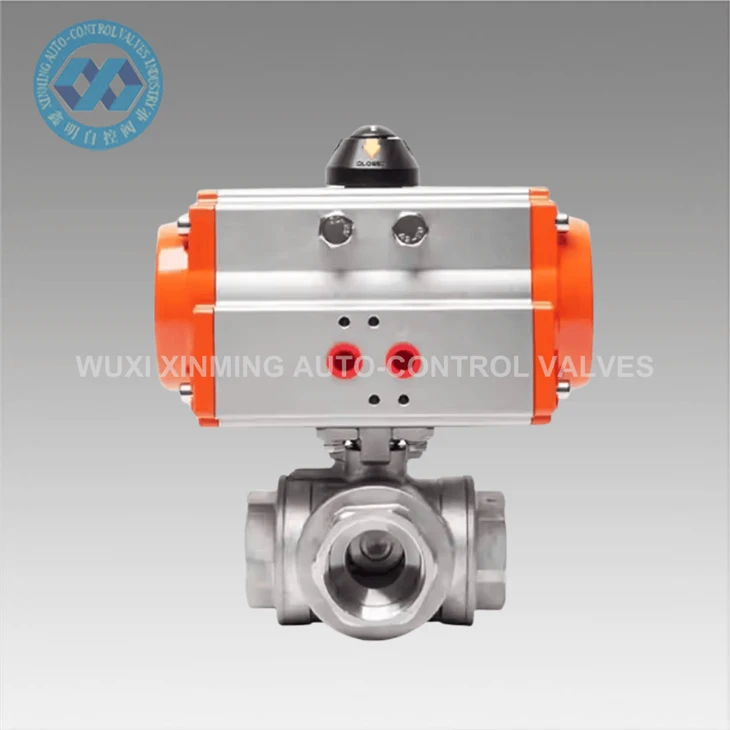
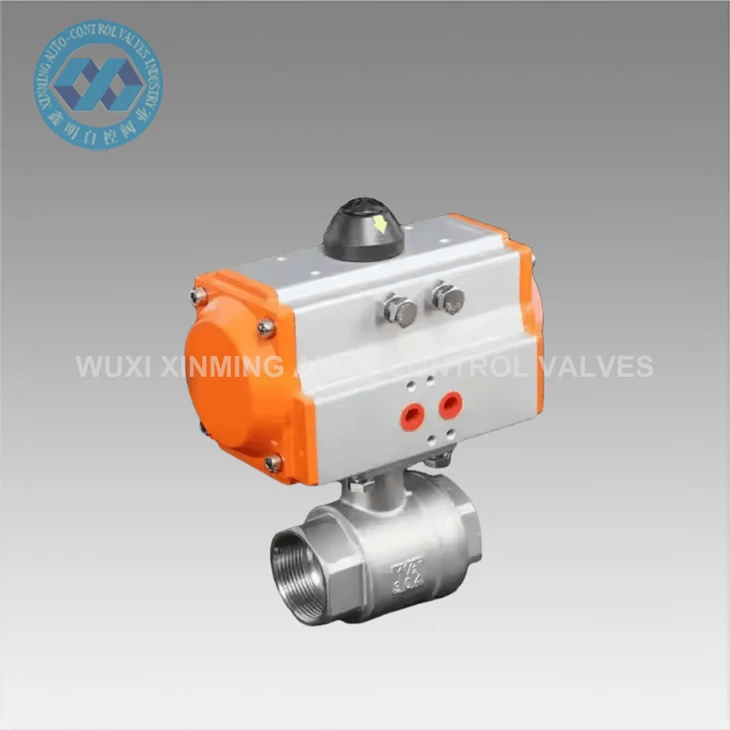
If you are interested in our high-quality vacuum ball valves, you can check out our High Performance 304 Stainless Steel Two-way Ball Valve With Pneumatic Actuator, 3-Way Ball Valve With 180° Pneumatic Actuator, and Pneumatic Actuator WCB Flange Ball Valve. We welcome you to contact us for more information and to discuss your specific requirements. Our team of experts is ready to assist you in finding the perfect valve solution for your application.
References
- Valve Manufacturers Association of America (VMAA). Valve Maintenance and Repair Manual.
- ASME B16.34 - Valves - Flanged, Threaded, and Welding End.
- ISO 5211 - Mounting Dimensions for Actuators on Valves.




