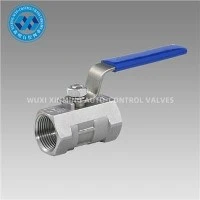
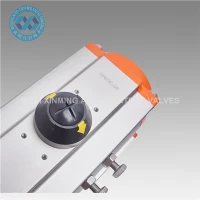
Hey there, fellow valve enthusiasts! As a proud supplier of Pneumatic Ball Valves, I often get asked about selecting the right solenoid valve for these bad boys. It's a crucial decision that can make or break the performance of your pneumatic system. So, let's dive right in and explore how you can pick the perfect solenoid valve for your pneumatic ball valve.
Understanding the Basics
First things first, let's quickly go over what a solenoid valve and a pneumatic ball valve are. A pneumatic ball valve is a type of valve that uses a ball with a hole in it to control the flow of fluid or gas. When the ball is rotated, the hole aligns with the flow path, allowing the medium to pass through. On the other hand, a solenoid valve is an electromechanical device that uses an electric current to control the flow of air or other fluids. It's like the brain that tells the pneumatic ball valve when to open and close.
Factors to Consider
Now that we've got the basics down, let's talk about the key factors you need to consider when selecting a solenoid valve for your pneumatic ball valve.
1. Valve Size
The size of the solenoid valve is crucial. It needs to match the size of the pneumatic ball valve and the flow requirements of your system. If the valve is too small, it can restrict the flow and cause a drop in pressure. On the other hand, if it's too large, it can be more expensive and may not operate efficiently. Make sure to check the specifications of your pneumatic ball valve and choose a solenoid valve with a compatible size.
2. Operating Pressure
Another important factor is the operating pressure of the system. The solenoid valve needs to be able to handle the pressure within your pneumatic system. Check the maximum and minimum pressure ratings of both the solenoid valve and the pneumatic ball valve. You don't want a valve that fails under high pressure or doesn't operate properly at low pressure.
3. Flow Rate
The flow rate is the volume of fluid or gas that passes through the valve per unit of time. You need to choose a solenoid valve that can provide the necessary flow rate for your pneumatic ball valve. Consider the application and the required speed of operation. For example, if you need to quickly open and close the valve, you'll need a solenoid valve with a higher flow rate.
4. Fluid Compatibility
Not all solenoid valves are compatible with all types of fluids. Make sure the solenoid valve you choose is suitable for the fluid or gas you're working with. For example, if you're dealing with corrosive chemicals, you'll need a solenoid valve made of materials that can withstand corrosion. Check the valve's material and its chemical compatibility chart to ensure it's a good fit for your application.

5. Electrical Requirements
Solenoid valves require an electrical signal to operate. You need to consider the voltage, frequency, and power requirements of the solenoid valve. Make sure your electrical system can provide the necessary power without issues. Also, consider the type of electrical connection, such as a plug or a hardwired connection.
6. Response Time
The response time of the solenoid valve is the time it takes for the valve to open or close after receiving an electrical signal. If you need a quick - opening and closing action for your pneumatic ball valve, choose a solenoid valve with a fast response time. This is especially important in applications where precise control and rapid changes are required.
Types of Solenoid Valves
There are different types of solenoid valves available, and each has its own advantages and disadvantages.
Direct - Acting Solenoid Valves
These valves are simple and reliable. They directly control the flow of fluid or gas without the need for a pilot. They're great for small - scale applications and systems with low pressure. However, they may not be suitable for high - flow applications.
Pilot - Operated Solenoid Valves
Pilot - operated solenoid valves use a small amount of fluid pressure to control a larger valve. They're more efficient and can handle higher flow rates and pressures. But they require a certain minimum pressure to operate, so they may not work well in low - pressure systems.
Our Product Range
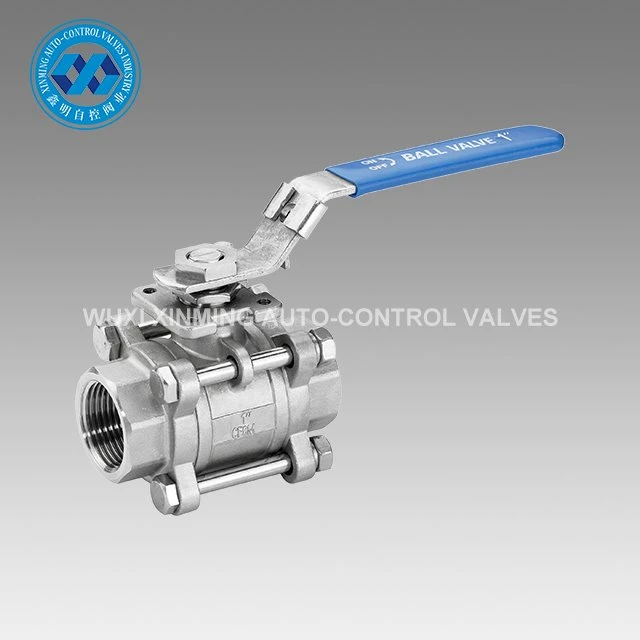
At our company, we offer a wide range of pneumatic ball valves that can be paired with the right solenoid valves. For instance, our Pneumatic Actuator 3PC Thread Ball Valve is a popular choice among our customers. It's designed for reliable performance and can be easily integrated with a suitable solenoid valve.
We also have the 3PC Thread Ball Valve, which is known for its durability and ease of installation. And if you're looking for a high - quality Chinese - made valve, our Three Stage Pneumatic Rotary Actuator Ball Valve Made in China is a great option.
Making the Right Choice
To sum it all up, selecting a suitable solenoid valve for a pneumatic ball valve requires careful consideration of various factors. Don't rush into making a decision. Take the time to understand your system's requirements and the specifications of the solenoid valve. If you're not sure, don't hesitate to reach out to us. One of our experts will be more than happy to help you choose the right combination of valves for your application.
Conclusion
Well, that's about it for selecting a suitable solenoid valve for your pneumatic ball valve. Remember, the right valve can significantly improve the performance and efficiency of your pneumatic system. Whether you're using it in an industrial setting or a small - scale project, choosing wisely is key.
If you're interested in learning more about our products or have any questions regarding valve selection, we'd love to hear from you. Contact us today to start a conversation about your valve needs and let's find the perfect solution for you.
References
- Gottlieb, B. C. (2006). Fluid-control valves handbook. McGraw-Hill.
- Schweitzer, P. A. (2006). Valve selection handbook. CRC Press.