Hey there! As a supplier of WCB Butterfly Valves, I often get asked about the proper way to install these valves. It's super important to get the installation right to ensure the valve works well and lasts a long time. In this blog, I'll walk you through the step - by - step process of correctly installing a WCB Butterfly Valve.
Pre - installation Checks
Before you even start the installation, there are a few things you need to do. First off, check the valve itself. Make sure it's in good condition, with no visible damage like cracks or dents on the body, disc, or stem. Inspect the gaskets too. They should be intact and free from any defects.
Next, take a look at the pipeline where you're going to install the valve. The pipeline should be clean, free of debris, and properly aligned. Any misalignment can cause problems later on, like leaks or difficulty in operating the valve. Measure the pipeline diameter to ensure it matches the valve size. You don't want to force a valve that's too big or too small into the pipeline.
Tools and Equipment
You'll need some basic tools for the installation. A wrench is a must - have. You'll use it to tighten the bolts that hold the valve in place. A torque wrench is even better because it allows you to tighten the bolts to the correct torque specification. This is crucial to prevent over - or under - tightening, which can lead to leaks.
You might also need a sealant. A good quality sealant can help create a better seal between the valve and the pipeline flanges. And don't forget safety equipment like gloves and safety glasses. Safety first, right?
Installation Steps
Step 1: Positioning the Valve
Place the valve between the pipeline flanges. Make sure the valve is oriented correctly. The flow direction arrow on the valve body should match the flow direction in the pipeline. If you install the valve backwards, it won't work as intended and could cause issues in the system.
Step 2: Inserting Gaskets
Put gaskets between the valve flanges and the pipeline flanges. Gaskets are important because they create a tight seal, preventing leaks. Make sure the gaskets are centered and properly aligned. You can use a little bit of lubricant on the gaskets to make them easier to install and to ensure a better seal.
Step 3: Bolting the Valve
Insert the bolts through the holes in the valve flanges and the pipeline flanges. Start by hand - tightening the bolts to make sure they're all in place. Then, use a wrench or a torque wrench to tighten the bolts. It's important to tighten the bolts evenly. Start with one bolt and then move to the one opposite it. This helps distribute the pressure evenly and ensures a good seal.
Refer to the valve's installation manual for the correct torque values. Over - tightening the bolts can damage the valve or the gaskets, while under - tightening can lead to leaks.
Step 4: Connecting Actuators (if applicable)
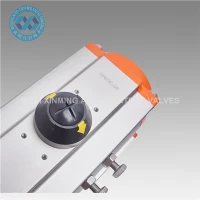
If your WCB Butterfly Valve has an actuator, like a Pneumatic Butterfly Valve, Pneumatic Actuator Vacuum Butterfly Valve, or Factory - direct Pneumatic Double Eccentric Flange Butterfly Valve, you'll need to connect it properly. Follow the actuator's installation instructions carefully. Usually, it involves connecting the actuator to the valve stem and making the necessary electrical or pneumatic connections.


Make sure all the connections are secure and that the actuator is properly aligned with the valve. Test the actuator to ensure it can open and close the valve smoothly.
Post - installation Checks
Once the valve is installed, it's time to do some checks. First, visually inspect the installation. Make sure all the bolts are tightened correctly and that there are no signs of damage. Check the gaskets to ensure they're still in place and not pinched.
Next, test the valve. Slowly open and close the valve to see if it operates smoothly. Listen for any unusual noises, which could indicate a problem. Check for leaks around the valve flanges. If you find a leak, you may need to tighten the bolts a little more or replace the gaskets.
Maintenance Tips
To keep your WCB Butterfly Valve working well, regular maintenance is key. Periodically check the valve for signs of wear and tear. Lubricate the moving parts as recommended by the manufacturer. This helps reduce friction and extends the valve's lifespan.
Inspect the gaskets and replace them if they show signs of damage or wear. And don't forget to check the actuator (if there is one) regularly. Make sure it's functioning properly and that all the connections are secure.
Why Choose Our WCB Butterfly Valves
At our company, we offer high - quality WCB Butterfly Valves. Our valves are made from top - notch materials, ensuring durability and reliability. We have a wide range of valve sizes and types to meet different customer needs. Whether you need a simple manual valve or a valve with a sophisticated actuator, we've got you covered.
Our valves are also competitively priced. We understand that cost is an important factor for our customers, and we strive to offer the best value for your money. And if you have any questions about installation, maintenance, or anything related to our valves, our customer service team is always here to help.
Contact Us for Purchase
If you're interested in purchasing our WCB Butterfly Valves, we'd love to hear from you. Whether you're a small - scale business or a large industrial operation, we can provide the right valves for your project. Just reach out to us, and we'll be happy to discuss your requirements and provide you with a quote.
References
- Valve Manufacturer's Installation Manuals
- Industry Standards for Valve Installation and Maintenance