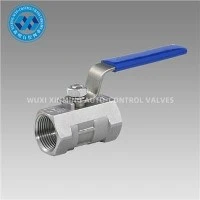
Selecting the right thread ball valve for a specific application can be a bit of a head-scratcher. But don't worry, as a thread ball valve supplier, I'm here to break it down for you.
Understanding Your Application
First things first, you gotta figure out what your application actually needs. Is it for a small DIY project at home, or is it for a big industrial setup? The nature of the application will determine a whole bunch of things about the valve you need.
For instance, if it's for a residential water system, you're probably looking for something simple and reliable. On the other hand, if it's for a chemical processing plant, the valve needs to be able to handle harsh chemicals and high pressures.
Flow Requirements
One of the most important factors is the flow rate. You need to know how much fluid or gas will be passing through the valve. This is usually measured in gallons per minute (GPM) for liquids or cubic feet per minute (CFM) for gases.
If the valve can't handle the required flow rate, it'll cause all sorts of problems. The flow might be restricted, leading to lower efficiency in your system. So, make sure to calculate the flow rate accurately and choose a valve that can handle it.
Pressure and Temperature
Pressure and temperature are also crucial. Different applications have different pressure and temperature requirements. For example, in a steam system, the temperature can be extremely high, and the pressure can be quite intense.
You need to select a thread ball valve that can withstand the maximum pressure and temperature that your system will experience. If the valve isn't rated for the right pressure and temperature, it could fail, which could be dangerous and costly.
Valve Size
The size of the valve is directly related to the flow rate and the pipe size in your system. You need to choose a valve that has the right port size to match the pipes. If the valve is too small, it'll restrict the flow. If it's too big, it might not fit properly and could be more expensive than necessary.
Material Selection
The material of the valve is another key consideration. Different materials have different properties and are suitable for different applications.
- Brass: Brass is a popular choice for residential and light commercial applications. It's relatively inexpensive, corrosion-resistant, and easy to work with.
- Stainless Steel: Stainless steel is great for applications where corrosion is a concern, such as in the food and beverage industry or in marine environments. It's also strong and can handle high pressures.
- PVC: PVC is often used in low-pressure applications, especially for water systems. It's lightweight, inexpensive, and resistant to chemicals.
Valve Type
There are different types of thread ball valves available, and each has its own advantages.
- Two-Way Ball Valve: This is the most common type. It has two ports and is used to control the flow of fluid or gas in one direction.
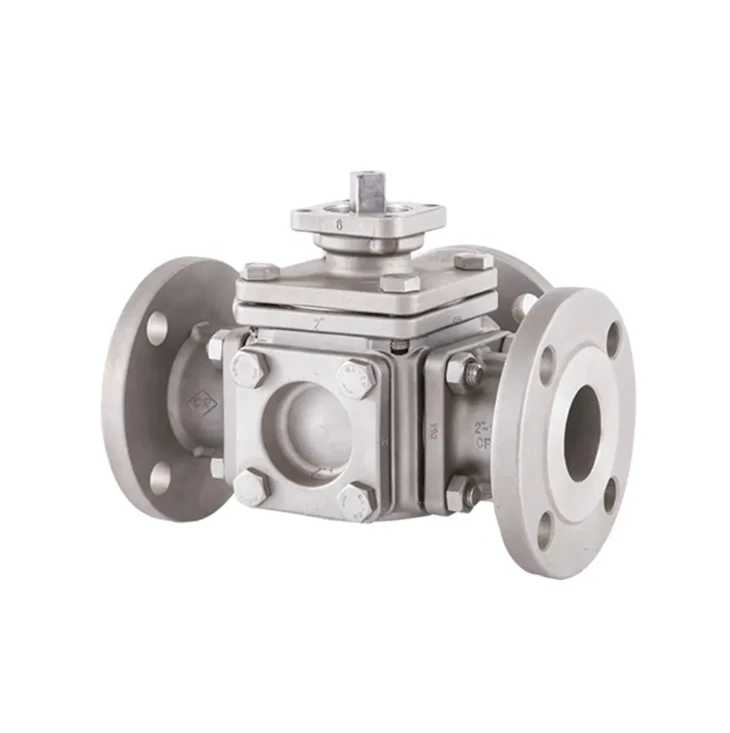
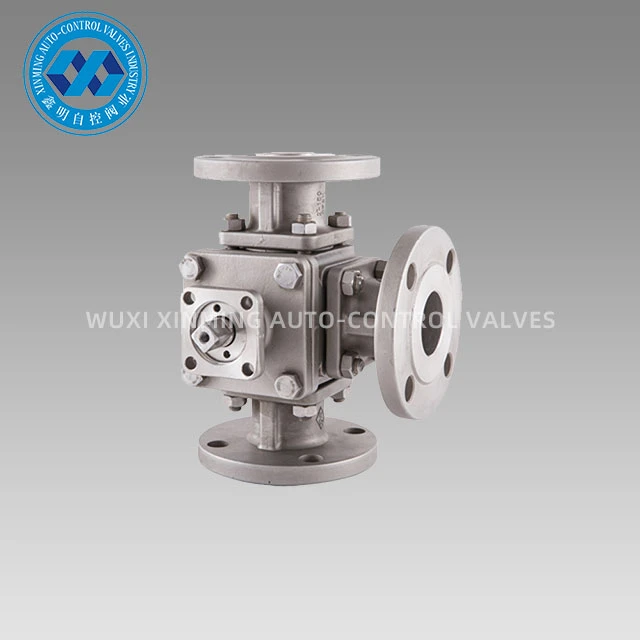
- Three Way Ball Valve: A three-way ball valve has three ports and can be used to divert the flow or mix different fluids. It's more versatile than a two-way valve but also more complex.
Actuation
You also need to decide how the valve will be actuated.
- Manual: Manual valves are operated by hand. They're simple, inexpensive, and suitable for applications where the valve doesn't need to be opened and closed frequently.
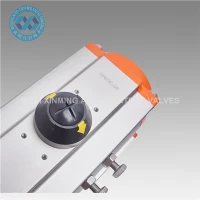
- Pneumatic: Pneumatic valves are actuated by compressed air. They're fast, reliable, and can be used in applications where automation is required. For example, the 180 Degree Pneumatic Actuator 3 Way Ball Valve is a great option for applications that need precise control.
- Electric: Electric valves are actuated by an electric motor. They're easy to control and can be integrated into a control system.
Seal Material
The seal material of the valve is important for preventing leaks. Different seal materials have different properties and are suitable for different applications.
- PTFE: PTFE is a common seal material. It's resistant to chemicals, has a low friction coefficient, and can withstand high temperatures.
- Nitrile: Nitrile is a good choice for applications where oil and fuel are present. It's resistant to oil and has good sealing properties.
End Connection
The end connection of the valve is how it's attached to the pipes. Threaded connections are the most common for thread ball valves, but there are also other options, such as flanged connections.
Make sure to choose the right end connection to ensure a proper and secure fit.
Quality and Reliability
When selecting a thread ball valve, you want to choose a high-quality product that's reliable. Look for valves that are made by reputable manufacturers and have a good track record.
You can also check for certifications and standards compliance. For example, valves that meet ISO standards are generally of higher quality.
Cost
Cost is always a factor. You want to get the best value for your money. However, don't just go for the cheapest option. A low-quality valve might end up costing you more in the long run due to maintenance and replacement costs.
Conclusion
Selecting the right thread ball valve for a specific application requires careful consideration of several factors, including flow requirements, pressure and temperature, valve size, material, type, actuation, seal material, end connection, quality, and cost.
As a thread ball valve supplier, I can help you make the right choice. If you're looking for a reliable and high-quality thread ball valve for your application, feel free to reach out. We have a wide range of valves to suit different needs and budgets. Contact us to start the procurement discussion and find the perfect valve for your project.
References
- Valve Handbook by Cameron Engineers and Constructors
- Fluid Mechanics and Thermodynamics of Turbomachinery by S. L. Dixon