In the realm of industrial fluid control, selecting the appropriate valve for a specific application is crucial. One common question that often arises is whether a WCB ball valve is suitable for corrosive fluids. As a supplier of WCB ball valves, I am well - versed in the properties of these valves and their performance in various environments. In this blog post, I will delve into the characteristics of WCB ball valves and assess their suitability for handling corrosive fluids.
Understanding WCB Ball Valves
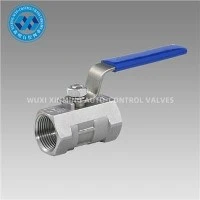
WCB, which stands for "Wrought Carbon B," is a type of carbon steel material commonly used in the manufacturing of ball valves. These valves are known for their strength, durability, and relatively low cost compared to some other materials. A ball valve consists of a spherical disc (the ball) with a hole in the middle. When the valve is open, the hole in the ball aligns with the flow path, allowing fluid to pass through. When the valve is closed, the ball is rotated 90 degrees, blocking the flow.
WCB ball valves are widely used in a variety of industries, including oil and gas, chemical processing, water treatment, and power generation. They are suitable for applications where a reliable shut - off valve is required, and the fluid being handled is not extremely corrosive.
Properties of WCB Material
The WCB material has several properties that make it an attractive choice for valve manufacturing. It has good mechanical strength, which enables it to withstand high pressures and temperatures. WCB can typically handle pressures up to several hundred pounds per square inch (psi) and temperatures ranging from - 29°C to 425°C (- 20°F to 797°F).
In terms of corrosion resistance, however, WCB has its limitations. Carbon steel is prone to rusting and corrosion when exposed to certain chemicals and environments. The iron in the carbon steel reacts with oxygen and water to form iron oxide (rust), which can gradually degrade the valve over time.
Corrosive Fluids: A Challenge for WCB Ball Valves
Corrosive fluids can be classified into different categories, such as acidic, alkaline, and oxidizing fluids. Each type of corrosive fluid presents a unique challenge to the valve material.
Acidic Fluids
Acidic fluids, such as hydrochloric acid (HCl), sulfuric acid (H₂SO₄), and nitric acid (HNO₃), can react aggressively with the iron in WCB. The acid can dissolve the iron, causing pitting, corrosion, and eventually valve failure. Even weak acids can cause corrosion over an extended period, especially if the fluid is in contact with the valve for long durations.
Alkaline Fluids
Alkaline fluids, like sodium hydroxide (NaOH) and potassium hydroxide (KOH), can also cause corrosion of WCB. Although the reaction mechanism is different from that of acidic fluids, the end result is similar. The alkaline environment can break down the protective oxide layer on the surface of the carbon steel, exposing the underlying metal to further corrosion.
Oxidizing Fluids
Oxidizing fluids, such as chlorine (Cl₂) and hydrogen peroxide (H₂O₂), can accelerate the corrosion process by promoting the oxidation of the iron in the WCB. These fluids can cause rapid pitting and corrosion, leading to leaks and reduced valve performance.
Situations Where WCB Ball Valves May Be Suitable for Corrosive Fluids
Despite its limitations in corrosion resistance, there are some situations where a WCB ball valve can be used with corrosive fluids.
Low - Concentration and Short - Term Exposure
If the corrosive fluid is present in a low concentration and the valve is only exposed to the fluid for a short period, a WCB ball valve may be sufficient. For example, in some water treatment plants, the water may contain a small amount of chlorine for disinfection purposes. A WCB ball valve can handle this low - concentration chlorine exposure for a limited time without significant corrosion.
Coated or Lined WCB Ball Valves
To enhance the corrosion resistance of WCB ball valves, they can be coated or lined with a corrosion - resistant material. For instance, a valve can be coated with an epoxy resin or lined with a fluoropolymer such as polytetrafluoroethylene (PTFE). These coatings and linings act as a barrier between the WCB material and the corrosive fluid, protecting the valve from direct contact.
Alternatives to WCB Ball Valves for Corrosive Fluids
In cases where the corrosive fluid is highly concentrated or the valve will be exposed to the fluid for an extended period, alternative valve materials may be more suitable.
Stainless Steel Ball Valves
Stainless steel is a popular choice for handling corrosive fluids. 304Stainless Steel Ball Valve is one such option. Stainless steel contains chromium, which forms a passive oxide layer on the surface of the metal, providing excellent corrosion resistance. It can withstand a wide range of corrosive environments, including acidic, alkaline, and oxidizing fluids.
High - Performance Ball Valves
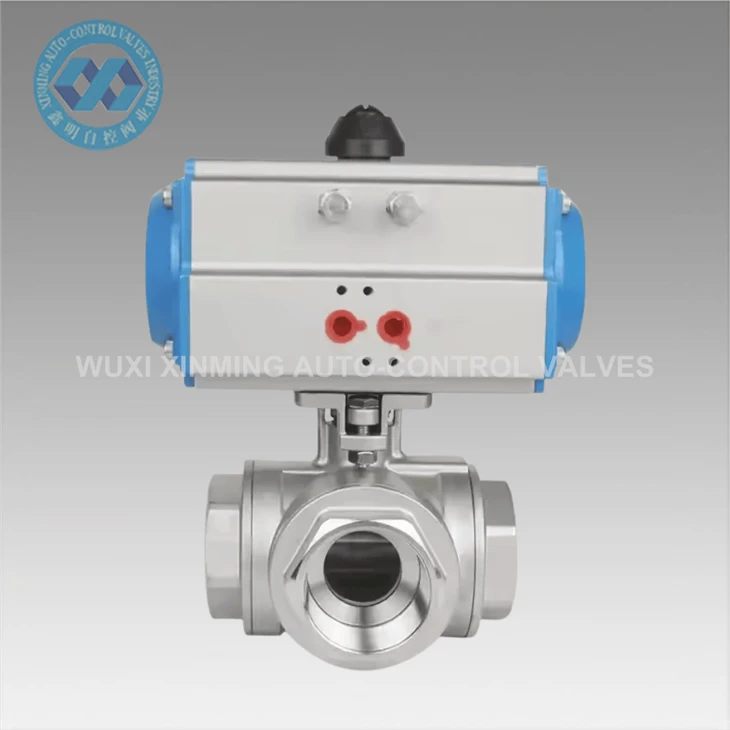
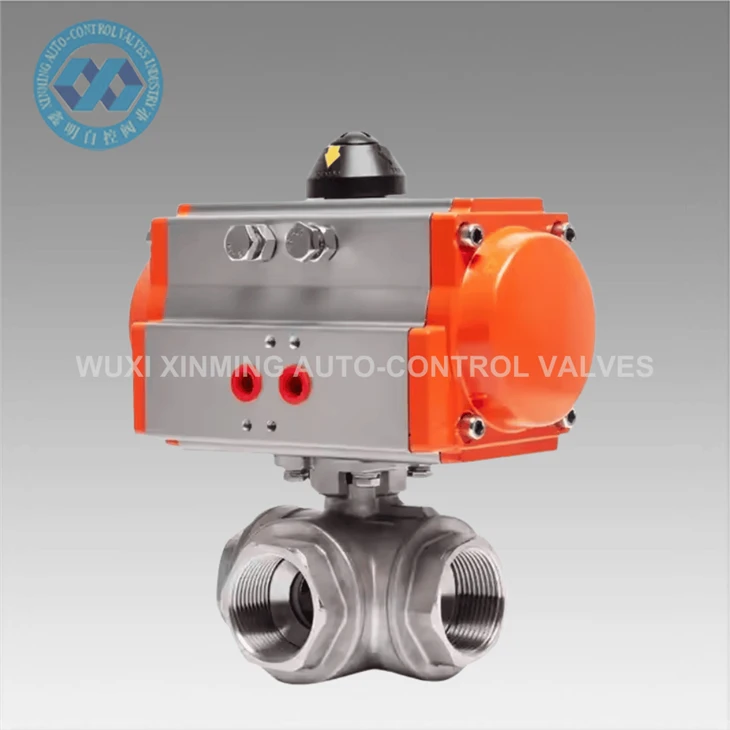
For more demanding applications, high - performance ball valves such as the High Performance PneumaticThree Way Ball Valve and High Performance Three Way Ball Valve With Pneumatic Actuator may be required. These valves are designed to handle high - pressure, high - temperature, and corrosive fluids with enhanced performance and reliability.
Conclusion
In summary, a WCB ball valve may or may not be suitable for corrosive fluids, depending on the specific circumstances. While WCB has good mechanical properties, its corrosion resistance is limited. For low - concentration and short - term exposure to corrosive fluids, or when the valve is coated or lined, a WCB ball valve can be a cost - effective solution. However, for highly corrosive fluids and long - term exposure, alternative materials such as stainless steel or high - performance ball valves are recommended.
If you are in the process of selecting a valve for your application involving corrosive fluids, I encourage you to reach out to me. I can provide you with more detailed information about our WCB ball valves, as well as alternative options that may better suit your needs. Whether you need technical advice, product specifications, or pricing information, I am here to assist you. Let's have a discussion to find the best valve solution for your project.
References
- ASME B16.34 - Valves - Flanged, Threaded, and Welding End.
- API 6D - Specification for Pipeline Valves.
- Manufacturer's data sheets on WCB ball valves, stainless steel ball valves, and high - performance ball valves.