

When it comes to the supply of welded ball valves, one of the critical aspects that often gets overlooked is the selection of appropriate packing. As a seasoned welded ball valve supplier, I understand the significance of this choice, as it directly impacts the valve's performance, longevity, and overall efficiency. In this blog, I will share some insights on how to select the right packing for a welded ball valve.
Understanding the Role of Packing in a Welded Ball Valve
Packing in a welded ball valve serves multiple functions. Firstly, it acts as a seal to prevent the leakage of the fluid or gas that the valve is controlling. Whether it's water, oil, or a corrosive chemical, a proper seal is essential to maintain the integrity of the system. Secondly, packing helps to reduce friction between the valve stem and the valve body, allowing for smooth operation. It also protects the valve stem from environmental factors such as dust, dirt, and moisture, which can cause corrosion and premature wear.
Factors to Consider When Selecting Packing
1. Fluid or Gas Being Handled
The nature of the fluid or gas that the welded ball valve will be controlling is a primary consideration. Different fluids have different chemical properties, temperatures, and pressures, which require specific types of packing materials. For example, if the valve is used in a high - temperature steam application, packing materials like graphite or ceramic fiber are more suitable as they can withstand high temperatures without losing their sealing properties. On the other hand, for applications involving corrosive chemicals, materials such as PTFE (Polytetrafluoroethylene) are often preferred due to their excellent chemical resistance.
2. Pressure and Temperature Ratings
The pressure and temperature conditions in the system where the welded ball valve is installed are crucial factors. High - pressure applications demand packing materials that can maintain a tight seal under significant force. Similarly, extreme temperatures can cause packing materials to expand or contract, affecting their sealing ability. For instance, in a high - pressure oil pipeline, a packing with high compressive strength and resilience is required. In a cryogenic application, where temperatures can be extremely low, packing materials that remain flexible and do not become brittle are necessary.
3. Valve Design and Operation
The design of the welded ball valve, including the type of stem movement (rotary or linear) and the frequency of operation, also influences packing selection. A valve that is operated frequently may require packing with low friction to reduce wear on the stem and ensure smooth operation. Additionally, the valve's internal geometry can affect how the packing is installed and how well it seals. Some valves may have specific requirements for the shape and size of the packing, which must be considered during the selection process.
4. Environmental Conditions
The environment in which the welded ball valve is located can have a significant impact on the packing. Outdoor installations are exposed to weather conditions such as rain, snow, and sunlight, which can cause degradation of certain packing materials. In coastal areas, the presence of saltwater can accelerate corrosion. In industrial settings, dust, dirt, and chemical fumes can also affect the performance of the packing. For outdoor applications, packing materials with good weather resistance and UV protection are advisable.
Types of Packing Materials for Welded Ball Valves
1. PTFE Packing
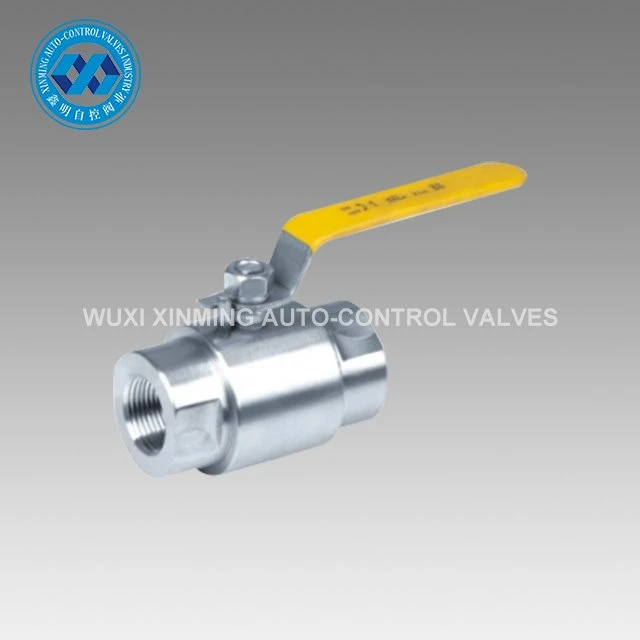
PTFE is a popular choice for many welded ball valve applications. It has excellent chemical resistance, low friction, and a wide temperature range. PTFE packing can be used in applications involving acids, alkalis, and organic solvents. It is also self - lubricating, which helps to reduce wear on the valve stem. However, PTFE has a relatively low compressive strength, so it may not be suitable for very high - pressure applications without additional reinforcement. You can find 1PC Thread Ball Valve which may use PTFE packing in some cases.
2. Graphite Packing
Graphite packing is known for its high - temperature resistance and good sealing properties. It can withstand temperatures up to 550°C (1022°F) in oxidizing atmospheres and even higher in non - oxidizing atmospheres. Graphite packing is also resistant to chemicals and has low friction. It is commonly used in steam applications, high - temperature oil and gas pipelines, and power generation plants.
3. Ceramic Fiber Packing
Ceramic fiber packing is an excellent choice for extremely high - temperature applications. It can withstand temperatures up to 1260°C (2300°F) and has good insulation properties. This type of packing is often used in furnaces, kilns, and other high - temperature industrial processes. However, ceramic fiber packing can be brittle and may require careful handling during installation.
4. Aramid Fiber Packing
Aramid fiber packing is strong, flexible, and has good chemical resistance. It is suitable for applications with moderate temperatures and pressures. Aramid fiber packing is often used in water treatment plants, chemical processing, and food and beverage industries.

Installation and Maintenance of Packing
Proper installation of the packing is as important as selecting the right type. Incorrect installation can lead to leakage, premature wear, and reduced valve performance. The packing should be installed in the correct orientation and with the appropriate compression. It is also essential to follow the manufacturer's instructions during installation.
Regular maintenance of the packing is also crucial. Inspections should be carried out periodically to check for signs of wear, leakage, or damage. If any issues are detected, the packing should be replaced promptly. Lubrication of the packing may also be required in some cases to ensure smooth operation and extend its service life.
Cost Considerations
While the performance and suitability of the packing are the primary concerns, cost is also an important factor. Different packing materials have different price points, and the overall cost of the packing includes not only the material cost but also the installation and maintenance costs. It is important to strike a balance between the quality and cost of the packing. Sometimes, investing in a higher - quality packing material can result in long - term savings due to reduced maintenance and replacement costs.
Conclusion
Selecting the appropriate packing for a welded ball valve is a complex but essential task. As a welded ball valve supplier, I recommend that customers carefully consider all the factors mentioned above, including the fluid or gas being handled, pressure and temperature ratings, valve design, environmental conditions, and cost. By choosing the right packing, customers can ensure the optimal performance and longevity of their welded ball valves.
If you are in the market for welded ball valves or need further advice on packing selection, I encourage you to contact us for a detailed discussion. Our team of experts is ready to assist you in making the best choice for your specific application. Whether you are looking for a High Performance PVC Ball Valve or a Flange Ball Valve, we can provide you with high - quality products and professional guidance.
References
- Valve Handbook, by J. Paul Tullis
- Handbook of Valves, by A. N. Christie
- Industrial Valves: Selection and Sizing, by E. O. Schlick




