Hey there! As a supplier of 220V solenoid valves, I often get asked about the capacitance of the electrical components in these valves. So, I thought I'd write a blog post to shed some light on this topic.
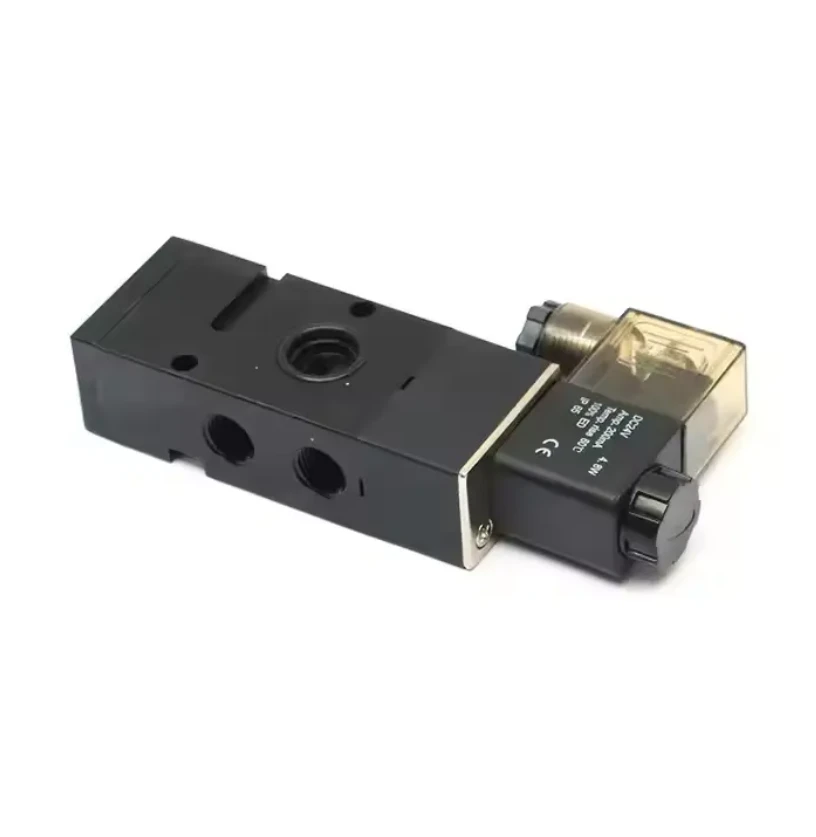
First off, let's understand what a solenoid valve is. A 220V Solenoid Valve is an electromechanically operated valve. It uses an electromagnetic solenoid to control the flow of liquids or gases. When an electric current is applied to the solenoid, it creates a magnetic field that moves a plunger or a piston, which in turn opens or closes the valve.
Now, when we talk about the capacitance of the electrical components in a 220V solenoid valve, we're mainly referring to the capacitance of the solenoid coil. The solenoid coil is essentially an inductor, but it also has some capacitance due to the close - proximity of the turns of the wire.
Capacitance in a solenoid coil is a result of the electrical field that exists between the adjacent turns of the wire. Just like in a capacitor, where two conductive plates separated by a dielectric store electrical energy in an electric field, in a solenoid coil, the turns of the wire act like the plates, and the air or the insulating material between them acts as the dielectric.
The capacitance of the solenoid coil in a 220V solenoid valve is usually quite small, in the range of picofarads (pF) to nanofarads (nF). This small capacitance can have some effects on the performance of the solenoid valve.
One of the effects is related to the electrical resonance. When the solenoid coil is part of an electrical circuit, the combination of its inductance and capacitance can create a resonant circuit. At the resonant frequency, the impedance of the circuit is at a minimum, and the current flowing through the solenoid can be significantly higher. This can lead to increased power consumption and potentially overheating of the solenoid if not properly managed.
Another aspect is the electromagnetic interference (EMI). The small capacitance in the solenoid coil can cause it to radiate electromagnetic waves, especially when the current in the coil is changing rapidly. This EMI can interfere with other electronic devices in the vicinity, so proper shielding and filtering are often required.
To measure the capacitance of the solenoid coil in a 220V solenoid valve, you can use a capacitance meter. However, it's important to note that the measured capacitance can vary depending on factors such as the physical dimensions of the coil, the number of turns, the spacing between the turns, and the type of insulating material used.
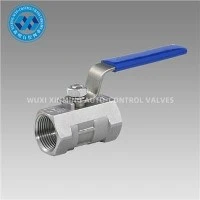
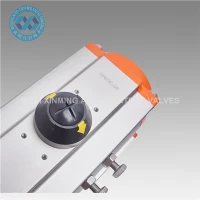
Now, let's talk a bit about the different types of 220V solenoid valves we offer. We have a wide range of Single And Double Acting Pneumatic Actuator Solenoid Valve. Single - acting solenoid valves use a spring to return the valve to its original position when the solenoid is de - energized, while double - acting solenoid valves use air pressure to move the valve in both directions.
In addition to that, we also supply the YT1000L 4~20mA Electric/pneumatic Valve Positioner. This valve positioner is used to accurately control the position of the valve based on an electrical signal in the range of 4 to 20 mA. It works in conjunction with our 220V solenoid valves to provide precise control of the flow of fluids or gases.
The capacitance of the electrical components in these valves is carefully considered during the design process. We ensure that the valves are designed to operate efficiently and safely within the 220V electrical supply. Our engineers take into account the potential effects of the capacitance, such as resonance and EMI, and implement appropriate measures to mitigate them.

When it comes to choosing the right 220V solenoid valve for your application, it's important to consider not only the capacitance but also other factors such as the flow rate, pressure rating, and the type of fluid or gas being controlled. Our team of experts is always ready to help you make the right choice.
If you're in the market for high - quality 220V solenoid valves, single and double - acting pneumatic actuator solenoid valves, or YT1000L 4~20mA electric/pneumatic valve positioners, we'd love to hear from you. Whether you're a small - scale business or a large industrial operation, we can provide you with the right solutions for your needs.
Contact us to start a procurement discussion, and let's work together to find the best valve products for your specific requirements.
References:
- Electrical Engineering textbooks on electromagnetism and circuit theory
- Manufacturer's documentation on solenoid valve design and operation