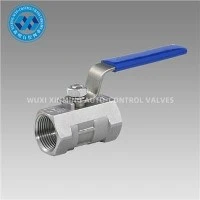
As a reputable flange ball valve supplier, I understand the crucial role that proper storage plays in maintaining the integrity and functionality of these essential industrial components. Flange ball valves are widely used in various industries, including oil and gas, chemical, water treatment, and many others, to control the flow of fluids. Therefore, storing them correctly is not only a matter of ensuring product quality but also of preventing potential losses and safety hazards. In this blog post, I will share some professional insights on how to store flange ball valves properly.


1. Clean the Valves Thoroughly Before Storage
Before storing flange ball valves, it is essential to clean them thoroughly to remove any dirt, debris, or residual fluids that may have accumulated during use or transportation. Even a small amount of dirt can cause damage to the valve's internal components, such as the ball, seat, and stem, leading to leaks or malfunction in the future.
Use a suitable cleaning agent that is compatible with the valve materials. For example, for stainless - steel flanged ball valves, a mild detergent and water solution can often be used. After soaking the valve in the cleaning solution, scrub gently with a soft - bristle brush to reach all the nooks and crannies. Rinse the valve thoroughly with clean water and dry it completely to prevent rust and corrosion.
2. Choose an Appropriate Storage Environment
The storage environment has a significant impact on the quality of flange ball valves. The ideal storage location should be dry, well - ventilated, and away from direct sunlight and extreme temperature variations.
Excessive humidity can cause condensation on the valve surface, leading to rust and corrosion. To maintain a dry environment, consider using dehumidifiers in the storage area. Regularly monitor the humidity level and aim to keep it below 60%.
High temperatures can cause thermal expansion of the valve materials, which may affect the sealing performance. Avoid storing the valves near heat sources such as furnaces, boilers, or direct sunlight. On the other hand, extremely low temperatures can make the valve materials brittle and more prone to cracking.
3. Protect the Valves from Physical Damage
Flange ball valves are precision - engineered products, and physical damage can easily compromise their performance. When storing the valves, ensure that they are placed in a stable position to prevent them from falling or being knocked over.
If possible, store the valves in their original packaging or use custom - made storage racks. The packaging should provide sufficient cushioning to absorb any impact. For large - sized flange ball valves, use wooden pallets or metal racks to keep them off the ground and organized. Avoid stacking heavy objects on top of the valves, as this can cause deformation or damage to the valve body, flanges, or other components.
4. Lubricate Moving Parts
The moving parts of a flange ball valve, such as the stem and ball, need to be lubricated before storage. Lubrication helps to prevent corrosion, reduce friction, and ensure smooth operation when the valve is put back into use.
Choose a high - quality lubricant that is compatible with the valve materials. For example, silicone - based lubricants are often suitable for most valve applications. Apply the lubricant evenly to the stem, ball, and other moving parts according to the manufacturer's instructions.
5. Seal Openings
To prevent the entry of dust, dirt, and moisture, it is crucial to seal all the openings of the flange ball valve. Use protective caps or plugs to cover the valve ports and flange connections. These caps and plugs are typically made of plastic or rubber and can provide a tight seal.
For the valve handle, if it is detachable, consider removing and storing it separately in a protected place. If it is non - detachable, cover it with a plastic bag or other protective material to prevent damage.
6. Regular Inspection
Even when stored properly, flange ball valves should be inspected regularly. During storage, environmental conditions can change, and unforeseen issues may arise.
Inspect the valves at least once every three months. Check for signs of corrosion, rust, physical damage, or any other abnormalities. If any issues are found, take appropriate measures immediately, such as cleaning, re - lubricating, or replacing damaged parts.
7. Documentation and Labeling
Proper documentation and labeling are essential for efficient valve storage management. Label each valve with important information such as the valve type, size, material, and date of storage. This information will help you easily identify the valves when needed and keep track of their storage time.
Maintain a detailed inventory of all the stored flange ball valves, including their quantity, location in the storage area, and any maintenance or inspection records. This documentation will be useful for inventory management, quality control, and regulatory compliance.
Industry - Related Product Options
In addition to flange ball valves, as a supplier, we also offer a range of other high - quality ball valves, such as the 2PC Thread Ball Valve, the 3 Way Ball Valve With Pneumatic Actuator, and the 3PC Thread Ball Valve. These valves are designed to meet different industrial requirements and can be stored using similar proper storage methods.
Conclusion
Proper storage of flange ball valves is a multi - faceted process that involves cleaning, choosing the right environment, protecting from physical damage, lubricating, sealing, regular inspection, and accurate documentation. By following these guidelines, you can ensure that your flange ball valves remain in optimal condition during storage and are ready for reliable use when needed.
If you are in the market for high - quality flange ball valves or other related products, we would be delighted to assist you. Contact us for further discussions about your specific requirements and let's explore the best solutions together for your industrial applications.
References
- Industrial Valve Handbook, Third Edition. Authors: Various valve experts. Provides in - depth knowledge on valve design, operation, and maintenance, including storage considerations.
- Standards for Valve Manufacturing and Storage from industry - recognized organizations such as API (American Petroleum Institute) and ASME (American Society of Mechanical Engineers). These standards set out the best practices for valve manufacturing and storage to ensure safety and quality.