

As a trusted Thread Ball Valve supplier, I understand the critical importance of checking the pressure rating of these valves. This process ensures the safe and efficient operation of various systems, and today, I'll share a comprehensive guide on how to perform this essential task.
Understanding Thread Ball Valve Pressure Ratings
Before delving into the checking process, it's crucial to grasp what pressure ratings signify. The pressure rating of a thread ball valve indicates the maximum pressure it can withstand safely without failure or leakage. This rating is determined by several factors, including the valve's materials, design, and manufacturing processes.
Factors Affecting Pressure Ratings
- Materials: The quality and strength of materials used in the valve construction play a significant role. For instance, valves made from high - grade stainless steel or brass generally have higher pressure ratings compared to those made from less durable materials. Our WCB Ball Valve has a robust body construction using high - quality WCB material, which contributes to its reliable pressure - handling capabilities.
- Design: The design of the valve, such as the wall thickness, ball size, and seat configuration, affects its pressure resistance. Well - designed valves distribute pressure evenly, reducing the risk of stress concentration points.
- Manufacturing Processes: Precision manufacturing techniques ensure that the valve components fit together precisely, which is essential for maintaining pressure integrity.
Checking the Pressure Rating of a Thread Ball Valve
1. Examine the Valve Label
The first step in checking the pressure rating is to look for the valve label. Most reputable manufacturers, like us, provide clear markings on the valve body indicating the maximum working pressure. This information is usually stamped or engraved on the valve and is presented in units such as PSI (pounds per square inch) or bar. Pay close attention to this label, as it is the most direct way to obtain the pressure rating.
2. Refer to the Manufacturer's Documentation
If the valve label is unclear or damaged, the next step is to refer to the manufacturer's documentation. This can include the product manual, specification sheet, or technical data provided at the time of purchase. These documents often contain detailed information about the valve, including its pressure rating, temperature limits, and other important specifications. As a supplier, we always ensure that our customers have access to comprehensive documentation for all our products, including the 2PC Thread Ball Valve.
3. Verify with the Manufacturer
When in doubt, it's best to verify the pressure rating directly with the manufacturer. You can contact the supplier's customer service department, and they will be able to provide you with accurate information. At our company, we are always ready to assist our customers with any technical inquiries, ensuring that they have all the necessary information for their projects.
4. Consider the Application Requirements
In addition to the valve's rated pressure, it's important to consider the specific requirements of the application. Factors such as the type of fluid (liquid or gas), temperature, and flow rate can all impact the actual pressure the valve will experience in service. For example, high - temperature applications may require a valve with a higher pressure rating to account for thermal expansion.
Special Considerations for Different Types of Thread Ball Valves
2PC Thread Ball Valve
The 2PC Thread Ball Valve is a popular choice in many applications due to its compact design and ease of installation. When checking the pressure rating of a 2PC thread ball valve, pay attention to the connection points and the overall construction. The two - piece design may have different sealing requirements compared to other valve types, and this can affect the pressure - handling capabilities.

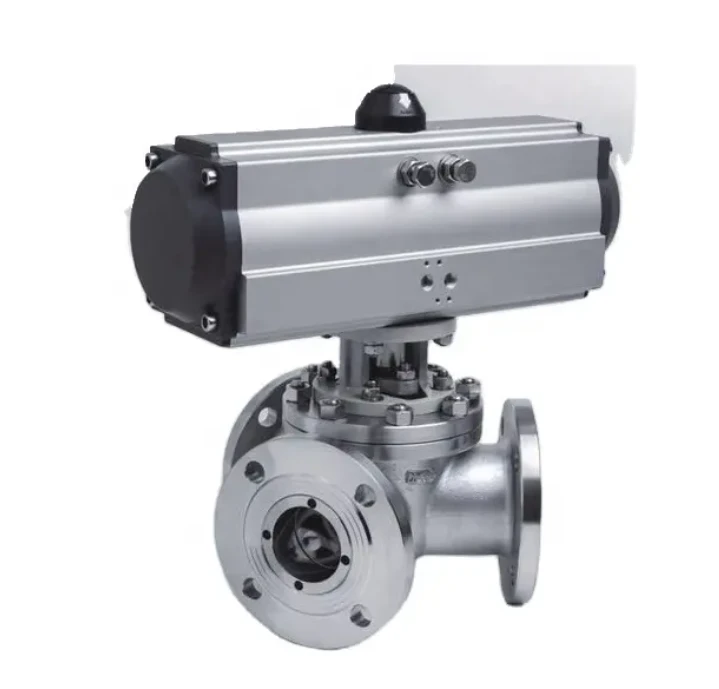
Pneumatically Actuated Ball Valves
For 180 Degree Pneumatic Actuator 3 Way Ball Valve, 3 Way Ball Valve With Pneumatic Actuator, the pressure rating of the pneumatic actuator must also be considered. The actuator should be capable of providing sufficient force to open and close the valve under the applied pressure. Check the actuator's specifications to ensure it is compatible with the valve's pressure rating and the requirements of the application.
Importance of Accurate Pressure Rating Checking
Incorrectly assessing the pressure rating of a thread ball valve can have serious consequences. If a valve is subjected to pressures higher than its rated capacity, it may lead to valve failure, resulting in leakage, system downtime, and even safety hazards. On the other hand, using a valve with an excessively high pressure rating can be costly and may not be the most efficient solution for the application.
Conclusion
Checking the pressure rating of a thread ball valve is a critical process that ensures the safety and efficiency of your systems. By following the steps outlined in this guide, you can accurately determine the pressure rating of your valve and select the appropriate valve for your application. As a reliable Thread Ball Valve supplier, we are committed to providing high - quality products with clear pressure ratings and comprehensive technical support.
If you are interested in purchasing thread ball valves or have any questions about pressure ratings or other valve - related issues, we encourage you to contact us for procurement discussions. We look forward to working with you to meet your specific needs.
References
- Engineering Handbook on Industrial Valves
- Valve Manufacturer's Technical Bulletins
- Pressure and Flow Control Standards




