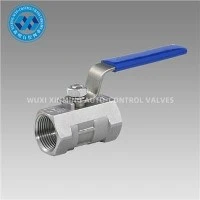
Proper storage of WCB ball valves is crucial for maintaining their performance and extending their service life. As a trusted WCB ball valve supplier, we understand the significance of correct storage methods, and we are here to share our expertise with you.
Understanding WCB Ball Valves
WCB, short for Witworth Compression Bushing, is a common carbon - steel casting material used in valve manufacturing. WCB ball valves are known for their durability, wide - temperature range tolerance, and resistance to corrosion and wear. They are widely used in various industries such as oil and gas, chemical processing, power generation, and water treatment.
Factors Affecting Ball Valve Storage
Before we dive into the storage methods, it's important to understand the factors that can affect the quality of WCB ball valves during storage.
- Environmental Conditions: Temperature, humidity, and exposure to chemicals or pollutants in the environment can all have a negative impact on the valves. High humidity can cause rusting and corrosion, while extreme temperatures can lead to material expansion or contraction, potentially affecting the valve's sealing performance.
- Physical Damage: During handling and storage, valves can be subject to physical impacts, scratches, or deformation. These damages can compromise the valve's integrity and functionality.
- Contamination: Dust, dirt, and other contaminants can accumulate on the valve surfaces, leading to blockages and reduced performance. If foreign particles enter the valve's internal components, it can also cause premature wear and tear.
Proper Storage Methods
1. Clean the Valves Before Storage
Before storing WCB ball valves, it is essential to clean them thoroughly. Use a suitable cleaning agent to remove any dirt, debris, grease, or contaminants from the valve surfaces, especially the sealing parts. For stubborn stains or residues, a soft - bristle brush can be used to gently scrub the affected areas. After cleaning, rinse the valves with clean water and dry them completely to prevent rusting.


2. Choose the Right Storage Location
- Dry and Well - ventilated Area: Select a storage area with low humidity (ideally below 60%) and good air circulation. A dry environment helps prevent rust and corrosion on the valve surfaces. Avoid storing valves in basements or areas prone to flooding.
- Temperature - controlled Space: Maintain a relatively stable temperature in the storage area. Extreme temperature fluctuations can cause the valve materials to expand and contract, which may affect the valve's performance. A temperature range of 10 - 30°C is generally recommended.
- Protection from Chemicals and Pollutants: Keep the valves away from areas where they may be exposed to chemicals, fumes, or pollutants. Chemicals can react with the valve materials and cause corrosion or degradation.
3. Use Proper Packaging
- Individual Wrapping: Wrap each valve individually with a protective material such as plastic film or anti - rust paper. This helps prevent scratches and protects the valve from dust and moisture.
- Boxing or Crating: Place the wrapped valves in sturdy boxes or crates for additional protection during storage and transportation. Label the boxes clearly with the valve type, size, quantity, and other relevant information.
4. Positioning of the Valves
- Horizontal Placement: Store the valves in a horizontal position whenever possible. This helps prevent the accumulation of moisture inside the valve body and reduces the stress on the valve stem and other components.
- Avoid Over - stacking: Do not stack the valves too high to avoid excessive pressure on the lower valves, which may cause deformation or damage.
5. Regular Inspection
- Visual Checks: Regularly inspect the stored valves for any signs of damage, rust, or corrosion. Check the valve surfaces, seals, and connections for any abnormalities.
- Functional Tests: Periodically perform functional tests on a sample of the stored valves to ensure they are still in good working condition. This can help identify any potential issues early on.
Special Considerations for Different Valve Designs
- Three - Way Ball Valves: Three Way Ball Valve have unique design features. When storing them, pay special attention to the alignment of the ball and the ports. Ensure that the valve is in a neutral or closed position during storage to prevent damage to the internal components.
- Pneumatic Actuated Valves: For Pneumatic Actuated Three - Way Stainless Steel Ball Valve and L - t Stainless Steel Pneumatic Three - way Ball Valve, protect the pneumatic actuators from dust and moisture. Cover the actuator ports to prevent the entry of foreign particles. Additionally, check the air supply lines and fittings regularly for any signs of leakage or damage.
Benefits of Proper Storage
- Extended Service Life: By storing WCB ball valves properly, you can significantly extend their service life. Valves that are well - stored are less likely to experience corrosion, damage, or wear, which means they can continue to function effectively for a longer period.
- Reduced Maintenance Costs: Proper storage helps minimize the need for corrective maintenance. Valves that are in good condition require less frequent repairs and replacements, saving you money in the long run.
- Reliable Performance: When valves are stored correctly, they are more likely to perform reliably when put into service. This helps ensure the smooth operation of your industrial processes and reduces the risk of downtime due to valve failures.
Contact Us for Purchase and Consultation
If you are in the market for high - quality WCB ball valves or need more advice on valve storage, handling, or selection, we are here to help. Our team of experts is dedicated to providing the best solutions to meet your specific needs. Whether you are involved in a large - scale industrial project or a small - scale business, we have the right valves for you.
References
- Valve Manufacturer's Manuals
- Industrial Standards for Valve Storage and Handling