In the realm of fluid control systems, PVC butterfly valves are widely recognized for their cost - effectiveness, reliability, and versatility. They are extensively used in various industries such as water treatment, chemical processing, and HVAC systems. However, one common challenge that users often face is the response speed of these valves. A slow - responding valve can lead to inefficiencies, inaccurate flow control, and potential safety hazards. As a PVC butterfly valve supplier, I understand the significance of this issue and have accumulated a wealth of knowledge on how to enhance the response speed of PVC butterfly valves.


1. Understanding the Factors Affecting Response Speed
Before delving into the solutions, it's essential to understand the factors that influence the response speed of a PVC butterfly valve.
Valve Design and Construction
The design of the valve itself plays a crucial role. For instance, the shape and size of the disc, as well as the type of seal, can affect how quickly the valve can open or close. A well - designed disc with a streamlined shape can reduce the resistance to fluid flow and enable faster movement. Additionally, the quality of the seal can impact the valve's ability to open and close smoothly. A tight - fitting but flexible seal can prevent leakage while allowing for efficient operation.
Actuator Performance
The actuator is the device that controls the movement of the valve. Pneumatic, electric, and hydraulic actuators are commonly used with PVC butterfly valves. The power output, speed of operation, and control accuracy of the actuator are key determinants of the valve's response speed. A high - performance actuator with a fast - acting mechanism can significantly improve the valve's ability to respond quickly to control signals.
Fluid Characteristics
The properties of the fluid being controlled, such as viscosity, density, and pressure, can also affect the response speed. High - viscosity fluids may require more force to move the valve disc, resulting in slower response times. Similarly, high - pressure fluids can create additional resistance, making it more difficult for the valve to open or close rapidly.
2. Strategies to Improve Response Speed
Upgrade the Actuator
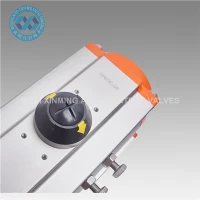
One of the most effective ways to improve the response speed of a PVC butterfly valve is to upgrade the actuator. For pneumatic actuators, increasing the air pressure or using a larger - sized actuator can provide more power to move the valve disc quickly. Electric actuators with high - torque motors and advanced control systems can also offer faster response times. For example, the Pneumatic Actuator - operated Butterfly And Piston Valves are designed with high - performance actuators that can ensure rapid and accurate valve operation.
Optimize the Valve Design
As mentioned earlier, the valve design can have a significant impact on response speed. Consider using a valve with a lightweight disc made of high - strength PVC materials. A lighter disc requires less force to move, enabling faster opening and closing. Additionally, choosing a valve with a low - friction seal can reduce the resistance during valve operation. Some modern PVC butterfly valves are designed with advanced sealing technologies that provide both tight sealing and low friction, resulting in improved response times.
Reduce Fluid Resistance
To minimize the impact of fluid characteristics on response speed, it's important to reduce the fluid resistance within the valve. This can be achieved by ensuring a smooth internal surface of the valve body and disc. A polished surface can reduce the frictional forces between the fluid and the valve components, allowing for faster movement. Moreover, proper sizing of the valve is crucial. An undersized valve can cause excessive pressure drop and slow down the valve's response, while an oversized valve may not provide accurate flow control.
Implement a Feedback Control System
A feedback control system can continuously monitor the position of the valve disc and adjust the actuator's operation accordingly. This ensures that the valve responds accurately to control signals and can compensate for any variations in fluid conditions or actuator performance. For example, a position sensor can be installed on the valve to provide real - time information about the valve's position. The control system can then use this information to adjust the actuator's speed and force, resulting in faster and more precise valve operation.
3. Maintenance and Regular Checks
Proper maintenance is essential for maintaining the response speed of PVC butterfly valves over time.
Lubrication
Regular lubrication of the valve components, such as the stem and bearings, can reduce friction and ensure smooth operation. Use a suitable lubricant that is compatible with PVC materials and the fluid being controlled. Lubrication should be carried out at regular intervals according to the manufacturer's recommendations.
Inspection and Cleaning
Periodically inspect the valve for any signs of wear, damage, or blockage. Clean the valve body and disc to remove any debris or deposits that may accumulate over time. A clean valve can operate more efficiently and respond more quickly to control signals.
Calibration
Calibrate the actuator and the control system regularly to ensure accurate operation. This involves checking the actuator's response to control signals and adjusting the settings if necessary. Proper calibration can help maintain the valve's response speed and improve its overall performance.
4. Case Studies and Real - World Applications
Let's take a look at some real - world examples where the strategies mentioned above have been successfully applied to improve the response speed of PVC butterfly valves.
In a water treatment plant, the operators were experiencing slow response times with their existing PVC butterfly valves, which were causing inefficiencies in the water distribution system. By upgrading the pneumatic actuators to larger - sized models and implementing a feedback control system, the response speed of the valves was significantly improved. This resulted in more accurate flow control and reduced water wastage.
In a chemical processing facility, the high - viscosity fluids being handled were causing the PVC butterfly valves to respond slowly. By optimizing the valve design with a streamlined disc and a low - friction seal, and reducing the fluid resistance through proper sizing and surface polishing, the valves were able to operate more quickly and reliably. This led to improved process efficiency and reduced downtime.
5. Conclusion and Call to Action
Improving the response speed of PVC butterfly valves is crucial for enhancing the efficiency and reliability of fluid control systems. By understanding the factors that affect response speed and implementing the strategies outlined in this blog, users can achieve significant improvements in valve performance.
As a PVC butterfly valve supplier, we offer a wide range of high - quality valves and actuators designed to meet the diverse needs of our customers. Our The New Metal Button Ne Way Check Diaphragm Actuator Pneumatic Ball Valve and Efficient Pneumatic Flanged Butterfly Valve Accurate Fluid Regulation are engineered with advanced technologies to provide fast response times and precise control.
If you are looking to improve the response speed of your PVC butterfly valves or have any questions about our products, we encourage you to contact us for a detailed discussion. Our team of experts is ready to assist you in finding the best solutions for your specific requirements.
References
- "Fluid Control Handbook", published by ABC Publishing
- "Valve Technology and Applications", by XYZ Research Institute
- Manufacturer's manuals and technical documents for PVC butterfly valves and actuators