As a ceramic ball valve supplier, I often get asked about the impact resistance of these valves. It's a crucial factor, especially in industries where valves are exposed to harsh conditions. So, let's dive into what the impact resistance of a ceramic ball valve really means and how it affects its performance.
What Makes Up a Ceramic Ball Valve?
First things first, let's understand what a ceramic ball valve is. It's a type of valve that uses a ceramic ball to control the flow of fluids. The ceramic used in these valves is usually a high - performance material like alumina or zirconia. These ceramics are known for their hardness, corrosion resistance, and high - temperature stability.
But when it comes to impact resistance, we're looking at how well the valve can withstand sudden physical forces. Think of situations where the valve might get hit by a tool accidentally or be subject to vibrations that cause small impacts.
The Impact of Material on Resistance
The choice of ceramic material has a huge influence on the valve's impact resistance. Alumina ceramics, for example, are extremely hard and have good wear resistance. However, they can be a bit brittle. This means that while they can handle a lot of pressure, a sharp impact might cause them to crack or break.
On the other hand, zirconia ceramics are a bit more flexible. They have what's called transformation toughening, which allows them to absorb some of the energy from an impact and reduce the chances of cracking. So, in applications where there's a higher risk of impacts, zirconia - based ceramic ball valves might be a better choice.
How Impact Resistance Affects Valve Performance
Poor impact resistance can lead to a variety of problems for a ceramic ball valve. A crack or chip in the ceramic ball can disrupt the smooth flow of the fluid. This can cause leaks, which are not only wasteful but can also be dangerous in some industries, like the chemical or oil and gas sectors.
In addition, damage to the valve due to impacts can reduce its lifespan. You might find yourself having to replace the valve more frequently, which can be costly in terms of both the valve itself and the downtime required for replacement.
Testing the Impact Resistance
Manufacturers use several methods to test the impact resistance of ceramic ball valves. One common method is the drop test. In this test, a weight is dropped onto the valve from a specific height. The valve is then inspected for any damage.
Another test is the vibration test. The valve is subjected to continuous vibrations for a set period of time. This simulates real - world conditions where the valve might be exposed to ongoing vibrations, such as in a pipeline with a high - flow rate.
By performing these tests, we can ensure that our ceramic ball valves meet the necessary standards and can perform well in various applications.
Applications and Impact Resistance Requirements
The impact resistance requirements of a ceramic ball valve depend on its application. In some industries, like food and beverage processing, the risk of impacts is relatively low. Here, the focus might be more on the valve's corrosion resistance and hygiene requirements.
However, in industries like mining and construction, the valves are often exposed to a lot of physical abuse. In these cases, a high - impact - resistant ceramic ball valve is essential. For example, in a mining operation, the valve might be hit by rocks or debris, so it needs to be able to withstand these impacts without failing.
Our Range of Ceramic Ball Valves
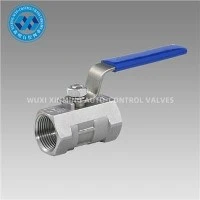
As a supplier, we offer a wide range of ceramic ball valves to meet different needs. We have the 2PC Thread Ball Valve, which is known for its compact design and easy installation. It's suitable for applications where space is limited and where you need a reliable valve that can handle some light impacts.
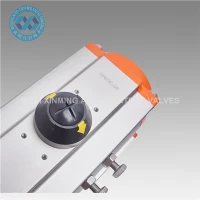
Our Pneumatic Actuator Jacketed Flange Ball Valve is another great option. The pneumatic actuator allows for precise control of the valve, and the jacketed design provides extra protection. This valve can withstand more severe impacts and is ideal for industries where automation and durability are key.
If you're looking for a more heavy - duty option, our Flange Ball Valve is a top choice. It's designed to handle high - pressure applications and can resist significant impacts. The flange connection ensures a secure and leak - free fit, making it suitable for a wide range of industrial uses.


Conclusion
The impact resistance of a ceramic ball valve is a critical factor that can affect its performance, lifespan, and safety. By understanding the material properties and how they relate to impact resistance, you can choose the right valve for your specific application.
If you're in the market for a ceramic ball valve, we're here to help. Whether you need a valve for a low - impact environment or a high - abuse industrial setting, we have the expertise and the products to meet your requirements. Get in touch with us to discuss your needs and let's find the perfect ceramic ball valve for you.
References
- Professional literature on ceramic material science.
- Industry standards for valve manufacturing and testing.