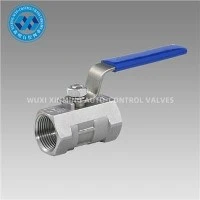
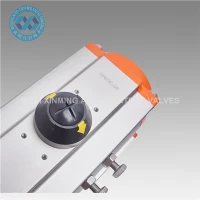
As a trusted supplier of thin ball valves, I understand the importance of keeping these essential components in optimal working condition. Thin ball valves are widely used in various industries due to their compact design, reliable performance, and efficient flow control capabilities. However, like any mechanical device, they can encounter issues from time to time. In this blog post, I'll share some practical tips on how to troubleshoot a thin ball valve effectively.


1. Identify the Problem
The first step in troubleshooting any equipment is to accurately identify the problem. When it comes to thin ball valves, common issues include leakage, difficulty in operation, and improper flow control.
- Leakage: Leakage can occur at the valve stem, body joints, or the seat. If you notice any signs of fluid seeping from the valve, it's crucial to determine the source of the leak. A small leak might be a sign of a loose packing or a damaged seal, while a major leak could indicate a more serious issue such as a cracked valve body.
- Difficulty in Operation: If the valve is hard to turn or requires excessive force to open or close, there could be several causes. It might be due to debris or foreign particles in the valve, a misaligned stem, or worn-out internal components.
- Improper Flow Control: In some cases, the valve may not be able to regulate the flow of fluid as expected. This could be caused by a blocked ball, a damaged seat, or incorrect valve sizing.
2. Visual Inspection
Once you've identified the problem, the next step is to conduct a visual inspection of the valve. This can help you spot any obvious signs of damage or wear.
- Check the Valve Body: Look for cracks, dents, or other physical damage on the valve body. A damaged body can compromise the integrity of the valve and lead to leakage.
- Inspect the Stem: The valve stem should be straight and free of any bends or damage. Check for signs of corrosion or wear on the stem, as this can affect the valve's operation.
- Examine the Seals and Packing: The seals and packing are crucial for preventing leakage. Look for signs of wear, cracking, or damage. If the seals are worn out, they may need to be replaced.
- Look for Debris: Check for any debris or foreign particles inside the valve. Debris can cause blockages and affect the valve's performance. Use a brush or compressed air to clean out any debris.
3. Check the Installation
Improper installation can often lead to valve problems. Make sure the valve is installed correctly and in accordance with the manufacturer's instructions.
- Verify the Orientation: Thin ball valves are designed to be installed in a specific orientation. Make sure the valve is installed in the correct direction, with the flow arrow on the valve body indicating the direction of fluid flow.
- Check the Pipe Connections: Ensure that the valve is properly connected to the pipes. Loose or misaligned pipe connections can cause leakage and affect the valve's performance. Tighten any loose connections and make sure the pipes are properly aligned.
- Inspect the Gaskets: Gaskets are used to create a seal between the valve and the pipes. Make sure the gaskets are in good condition and properly installed. Replace any damaged or worn-out gaskets.
4. Test the Valve
After conducting a visual inspection and checking the installation, it's time to test the valve. This can help you determine if the problem has been resolved.
- Open and Close the Valve: Slowly open and close the valve to check for smooth operation. If the valve is still difficult to turn or requires excessive force, there may still be an issue.
- Check for Leakage: While the valve is open and closed, check for any signs of leakage. If there is still leakage, you may need to further investigate the source of the leak.
- Monitor the Flow: Observe the flow of fluid through the valve. Make sure the valve is able to regulate the flow as expected. If the flow is still not correct, you may need to adjust the valve or replace any damaged components.
5. Replace Damaged Components
If you've identified any damaged or worn-out components during the inspection, it's important to replace them as soon as possible. This can help prevent further damage to the valve and ensure its proper operation.
- Seals and Packing: If the seals or packing are worn out or damaged, replace them with new ones. Make sure to use the correct type and size of seals and packing for your valve.
- Ball and Seat: If the ball or seat is damaged, it may need to be replaced. This is a more complex repair and may require the assistance of a professional.
- Stem and Actuator: If the stem or actuator is damaged, it may need to be repaired or replaced. Again, this is a more complex repair and should be done by a qualified technician.
6. Maintenance and Prevention
To prevent future problems with your thin ball valves, it's important to perform regular maintenance. This can help extend the lifespan of the valves and ensure their reliable performance.
- Clean the Valves Regularly: Use a mild detergent and a soft brush to clean the valves. This can help remove any debris or contaminants that may accumulate over time.
- Lubricate the Moving Parts: Apply a small amount of lubricant to the valve stem and other moving parts. This can help reduce friction and ensure smooth operation.
- Inspect the Valves Periodically: Conduct regular visual inspections of the valves to check for any signs of wear or damage. This can help you catch any problems early and prevent them from becoming more serious.
Conclusion
Troubleshooting a thin ball valve requires a systematic approach. By following these steps, you can identify and resolve common issues with your valves. Remember, if you're unsure about any aspect of the troubleshooting process or if you encounter a problem that you're unable to solve, it's always best to seek the assistance of a professional.
As a supplier of high-quality thin ball valves, we offer a wide range of products to meet your specific needs. Our 3PC Thread Ball Valve, Stainless Steel Ball Valve, and Pneumatic Ball Valve With Internal Thread are designed to provide reliable performance and long-lasting durability. If you're interested in purchasing our products or have any questions about valve troubleshooting, please feel free to contact us for further discussion and procurement negotiation.
References
- Valve Handbook, edited by Robert A. Streeter
- Piping and Pipeline Engineering: Design, Construction, Maintenance, Integrity, and Repair by George A. Antaki