

Calibrating a butterfly valve is a crucial process that ensures its optimal performance and longevity. As a trusted butterfly valve supplier, we understand the significance of proper calibration in maintaining the efficiency and reliability of these essential components. In this blog post, we will guide you through the step-by-step process of calibrating a butterfly valve, providing you with the knowledge and skills to perform this task effectively.
Understanding the Basics of a Butterfly Valve
Before delving into the calibration process, it is essential to have a basic understanding of how a butterfly valve works. A butterfly valve is a quarter-turn valve that uses a disk-shaped closure element to regulate the flow of fluid through a pipeline. The disk is mounted on a shaft that rotates 90 degrees to open or close the valve. When the disk is parallel to the flow direction, the valve is fully open, allowing maximum flow. Conversely, when the disk is perpendicular to the flow direction, the valve is fully closed, blocking the flow.
Why Calibration is Necessary
Calibration is the process of adjusting a valve to ensure that it operates accurately and consistently. Over time, factors such as wear and tear, temperature changes, and pressure fluctuations can cause a butterfly valve to deviate from its intended settings. This can result in inaccurate flow control, reduced efficiency, and even system failures. By calibrating the valve regularly, you can maintain its performance, extend its lifespan, and prevent costly downtime.
Tools and Equipment Required
Before you begin the calibration process, you will need to gather the necessary tools and equipment. These may include:
- A torque wrench
- A pressure gauge
- A flow meter
- A calibration chart or manual
- Safety equipment, such as gloves and goggles
Step-by-Step Calibration Process
The following steps outline the general process of calibrating a butterfly valve. However, it is important to note that the specific calibration procedure may vary depending on the make and model of the valve. Always refer to the manufacturer's instructions and guidelines for detailed information.
Step 1: Preparation
- Isolate the valve: Before you start working on the valve, make sure to isolate it from the system by closing the upstream and downstream valves. This will prevent any fluid from flowing through the valve during the calibration process.
- Relieve pressure: Use a pressure gauge to check the pressure in the valve and relieve any residual pressure by opening the drain valve or venting the system.
- Clean the valve: Remove any dirt, debris, or corrosion from the valve and its components using a clean cloth or a mild cleaning solution. This will ensure accurate readings and prevent damage to the valve.
Step 2: Check the Valve Position
- Verify the valve position: Use a visual inspection or a position indicator to confirm that the valve is in the fully closed position. If the valve is not fully closed, adjust it manually until it is.
- Mark the valve position: Use a marker or a scribe to mark the position of the valve stem or the actuator on the valve body. This will help you ensure that the valve returns to the same position after calibration.
Step 3: Adjust the Actuator
- Check the actuator settings: Refer to the manufacturer's instructions to determine the correct settings for the actuator, such as the torque, pressure, and stroke length. Use a torque wrench to adjust the actuator to the specified settings.
- Test the actuator: Use a pressure gauge to apply pressure to the actuator and verify that it moves the valve stem smoothly and accurately. If the actuator does not operate correctly, adjust the settings or replace the actuator if necessary.
Step 4: Check the Flow Rate
- Install a flow meter: Install a flow meter in the pipeline upstream or downstream of the valve to measure the flow rate. Make sure to follow the manufacturer's instructions for installing and calibrating the flow meter.
- Open the valve gradually: Slowly open the valve and monitor the flow rate using the flow meter. Adjust the valve position as needed to achieve the desired flow rate.
- Record the flow rate: Record the flow rate at different valve positions and compare it to the manufacturer's specifications. If the flow rate deviates from the specifications, adjust the valve or the actuator until it meets the requirements.
Step 5: Check the Leakage
- Close the valve fully: Once you have achieved the desired flow rate, close the valve fully and check for any leakage using a pressure gauge or a leak detector. If there is any leakage, adjust the valve or the actuator until it stops.
- Test the valve under pressure: Apply pressure to the valve and check for any leakage at different pressure levels. If the valve leaks at high pressures, adjust the valve or the actuator to improve its sealing performance.
Step 6: Final Checks
- Verify the valve position: Use a visual inspection or a position indicator to confirm that the valve is in the fully closed position. If the valve is not fully closed, adjust it manually until it is.
- Check the calibration marks: Check the calibration marks on the valve stem or the actuator to ensure that the valve returns to the same position after calibration.
- Test the valve operation: Open and close the valve several times to verify that it operates smoothly and accurately. Check for any unusual noises, vibrations, or resistance during operation.
Types of Butterfly Valves and Their Calibration Considerations
There are several types of butterfly valves available on the market, each with its own unique features and calibration requirements. Here are some of the most common types of butterfly valves and their calibration considerations:
Concentric Butterfly Valves
Concentric butterfly valves are the most basic type of butterfly valves, with the disk centered on the valve stem. These valves are typically used in low-pressure applications and require less calibration than other types of valves. However, it is still important to check the valve position, the actuator settings, and the flow rate regularly to ensure optimal performance.
Eccentric Butterfly Valves
Eccentric butterfly valves have an offset disk that provides better sealing performance and reduced wear and tear. These valves are commonly used in high-pressure applications and require more precise calibration than concentric butterfly valves. When calibrating an eccentric butterfly valve, it is important to pay attention to the valve position, the actuator settings, and the sealing performance to ensure a tight seal and prevent leakage.
Double-Eccentric Butterfly Valves
Double-eccentric butterfly valves have two offsets, one in the disk and one in the stem, which provides even better sealing performance and reduced friction. These valves are typically used in critical applications where a high level of accuracy and reliability is required. When calibrating a double-eccentric butterfly valve, it is important to follow the manufacturer's instructions carefully and use specialized calibration equipment to ensure accurate and consistent results.
Triple-Eccentric Butterfly Valves
Triple-eccentric butterfly valves have three offsets, which provide the highest level of sealing performance and the longest lifespan. These valves are commonly used in high-temperature, high-pressure, and corrosive applications. When calibrating a triple-eccentric butterfly valve, it is important to use a torque wrench to adjust the actuator to the specified settings and to check the valve position and the sealing performance regularly to ensure optimal performance.
Our Butterfly Valve Products
As a leading butterfly valve supplier, we offer a wide range of high-quality butterfly valves to meet the needs of various industries and applications. Our products include:
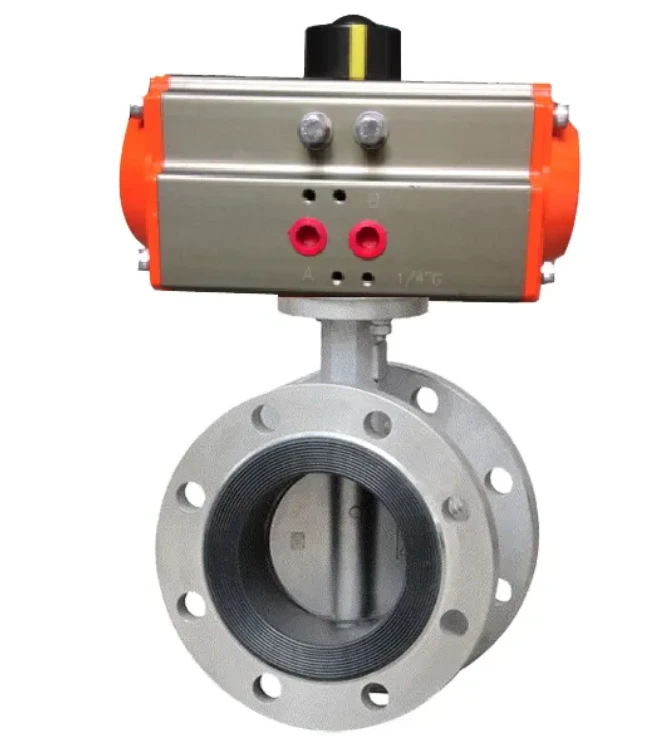
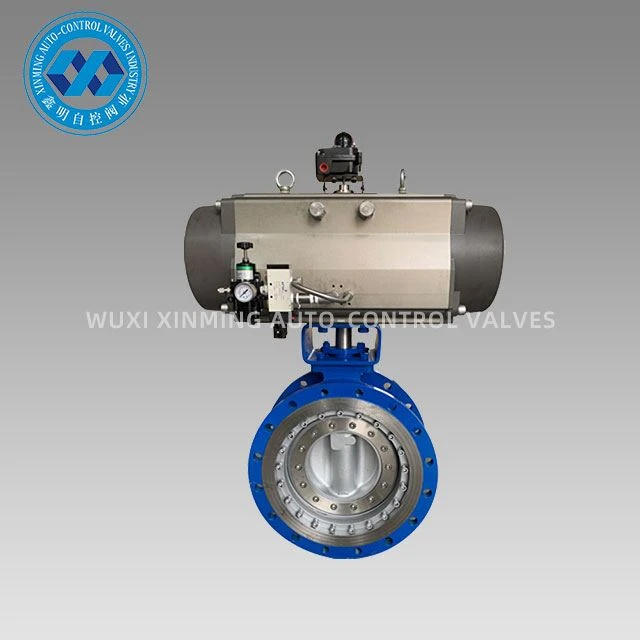
- Pneumatic Actuator Tri-eccentric Butterfly Valve: This valve features a triple-eccentric design that provides excellent sealing performance and long service life. It is suitable for high-temperature, high-pressure, and corrosive applications.
- Pneumatic Actuator Flange Butterfly Vlave: This valve is designed for use in pipelines with flanged connections. It features a pneumatic actuator that provides reliable and efficient operation.
- Pneumatic Sanitary Butterfly Valve: This valve is specifically designed for use in the food, beverage, and pharmaceutical industries. It features a sanitary design that meets the highest standards of hygiene and cleanliness.
Contact Us for Procurement and Consultation
If you are in need of a high-quality butterfly valve or have any questions about valve calibration, please do not hesitate to contact us. Our team of experts is available to provide you with professional advice, technical support, and customized solutions to meet your specific needs. We are committed to providing our customers with the best products and services at competitive prices. Whether you are a small business or a large corporation, we can help you find the right valve for your application.
References
- Valve Handbook, by Cameron Iron Works, Inc.
- Control Valve Handbook, by Emerson Process Management
- Butterfly Valve Installation and Maintenance Manual, by various manufacturers




