As a supplier of 110V solenoid valves, I understand the critical importance of preventing corrosion in these essential components. Corrosion can significantly reduce the lifespan and performance of solenoid valves, leading to costly replacements and potential system failures. In this blog post, I will share some effective strategies and best practices on how to prevent the corrosion of a 110V solenoid valve.
Understanding the Causes of Corrosion
Before delving into prevention methods, it's crucial to understand the factors that contribute to corrosion in solenoid valves. Corrosion is a natural process that occurs when metals react with their environment, typically oxygen, moisture, and various chemicals. In the case of 110V solenoid valves, the following factors can accelerate corrosion:


- Moisture and Humidity: Exposure to high levels of moisture and humidity can cause the metal components of the solenoid valve to rust and corrode over time. This is particularly common in outdoor or industrial environments where the valve may be exposed to rain, condensation, or high humidity levels.
- Chemicals and Contaminants: Solenoid valves used in chemical processing, water treatment, or other industrial applications may come into contact with corrosive chemicals, acids, or contaminants. These substances can react with the metal surfaces of the valve, causing corrosion and degradation.
- Electrolysis: When two different metals are in contact with each other in the presence of an electrolyte (such as water or a conductive solution), an electrochemical reaction can occur, leading to corrosion. This phenomenon, known as electrolysis, can be a significant cause of corrosion in solenoid valves, especially if the valve is installed in a system with dissimilar metals.
- Temperature and Pressure: Extreme temperatures and pressures can also contribute to corrosion in solenoid valves. High temperatures can accelerate the rate of chemical reactions, while high pressures can cause stress and fatigue on the valve components, making them more susceptible to corrosion.
Preventive Measures
To prevent the corrosion of a 110V solenoid valve, it's essential to implement a comprehensive corrosion prevention strategy that addresses the specific causes and conditions of the valve's operating environment. Here are some effective preventive measures that you can take:
Material Selection
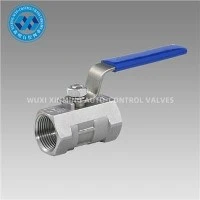
- Choose Corrosion-Resistant Materials: When selecting a 110V solenoid valve, consider choosing materials that are resistant to corrosion. Stainless steel, brass, and plastic are commonly used materials for solenoid valves due to their excellent corrosion resistance properties. Stainless steel, in particular, is highly resistant to rust and corrosion, making it a popular choice for applications in harsh environments.
- Coatings and Finishes: Applying a protective coating or finish to the valve components can provide an additional layer of protection against corrosion. Epoxy coatings, powder coatings, and galvanization are some common coating methods used to protect solenoid valves from corrosion. These coatings can help to prevent moisture, chemicals, and contaminants from coming into contact with the metal surfaces of the valve.
Environmental Control
- Keep the Valve Dry: Moisture is one of the primary causes of corrosion in solenoid valves. To prevent moisture from accumulating on the valve, ensure that the valve is installed in a dry location and protected from rain, condensation, and high humidity levels. If the valve is installed outdoors, consider using a weatherproof enclosure or cover to protect it from the elements.
- Control Chemical Exposure: If the solenoid valve is used in an application where it may come into contact with corrosive chemicals, acids, or contaminants, take steps to minimize its exposure to these substances. Use appropriate filters, separators, or neutralizers to remove or reduce the concentration of corrosive chemicals in the fluid or gas flowing through the valve. Additionally, ensure that the valve is compatible with the chemicals and fluids it will be handling.
- Avoid Electrolysis: To prevent electrolysis, avoid installing the solenoid valve in a system with dissimilar metals. If it's necessary to use dissimilar metals in the system, ensure that they are properly insulated from each other to prevent electrical contact. You can also use dielectric unions or gaskets to isolate the dissimilar metals and prevent electrolysis.
Maintenance and Inspection
- Regular Cleaning and Maintenance: Regular cleaning and maintenance of the solenoid valve can help to prevent corrosion by removing dirt, debris, and contaminants from the valve components. Use a mild detergent and water to clean the valve, and avoid using abrasive cleaners or tools that could damage the valve's surface. Additionally, lubricate the moving parts of the valve regularly to ensure smooth operation and prevent corrosion.
- Inspect the Valve Regularly: Regularly inspect the solenoid valve for signs of corrosion, damage, or wear. Look for rust, discoloration, or pitting on the valve components, as these are indicators of corrosion. If you notice any signs of corrosion, take immediate action to address the issue before it worsens. This may involve cleaning the valve, replacing corroded components, or applying a protective coating.
- Follow Manufacturer's Recommendations: Always follow the manufacturer's recommendations for installation, operation, and maintenance of the solenoid valve. The manufacturer's instructions will provide specific guidelines on how to prevent corrosion and ensure the long-term performance of the valve. Additionally, use only genuine replacement parts and accessories recommended by the manufacturer to ensure compatibility and reliability.
Additional Considerations
In addition to the preventive measures mentioned above, there are some additional considerations that you should keep in mind when preventing the corrosion of a 110V solenoid valve:
- Proper Installation: Ensure that the solenoid valve is installed correctly according to the manufacturer's instructions. Improper installation can lead to stress, leaks, or other issues that can contribute to corrosion. Make sure that the valve is properly aligned, tightened, and sealed to prevent moisture, chemicals, and contaminants from entering the valve.
- Monitoring and Testing: Implement a monitoring and testing program to regularly check the performance and condition of the solenoid valve. This may involve using sensors, gauges, or other monitoring devices to measure the valve's operating parameters, such as pressure, temperature, and flow rate. Additionally, perform regular tests to check the valve's functionality and integrity, such as leak tests and performance tests.
- Training and Education: Provide training and education to your employees on the proper installation, operation, and maintenance of the solenoid valve. Make sure that they understand the importance of preventing corrosion and are familiar with the preventive measures and best practices outlined in this blog post. By empowering your employees with the knowledge and skills they need, you can help to ensure the long-term performance and reliability of your solenoid valves.
Recommended Products
As a 110V solenoid valve supplier, we offer a wide range of high-quality solenoid valves that are designed to provide reliable performance and long service life in various applications. Here are some of our recommended products:
- YT1000L 4~20mA Electric/pneumatic Valve Positioner: This valve positioner is designed to accurately control the position of the solenoid valve, ensuring precise flow control and optimal performance. It features a compact design, high accuracy, and excellent corrosion resistance, making it suitable for use in a wide range of industrial applications.
- 2-way 5-port High-pressure Pneumatic Solenoid Valve (0-10MPa): This high-pressure pneumatic solenoid valve is designed to handle high-pressure applications up to 10MPa. It features a robust construction, high flow capacity, and excellent corrosion resistance, making it suitable for use in hydraulic systems, pneumatic systems, and other high-pressure applications.
- Long Life Pneumatic Air Control Solenoid Valve: This pneumatic air control solenoid valve is designed to provide long service life and reliable performance in various applications. It features a durable construction, high flow capacity, and excellent corrosion resistance, making it suitable for use in air control systems, automation systems, and other industrial applications.
Conclusion
Preventing the corrosion of a 110V solenoid valve is essential to ensure its long-term performance and reliability. By understanding the causes of corrosion and implementing effective preventive measures, you can significantly reduce the risk of corrosion and extend the lifespan of your solenoid valves. Remember to choose corrosion-resistant materials, control the valve's operating environment, perform regular maintenance and inspection, and follow the manufacturer's recommendations. If you have any questions or need further assistance with preventing the corrosion of your solenoid valves, please don't hesitate to contact us. We are a leading supplier of 110V solenoid valves and can provide you with the products and solutions you need to meet your specific requirements. Contact us today to discuss your needs and explore our range of high-quality solenoid valves.
References
- ASM International. (2004). Corrosion Basics: An Introduction. ASM International.
- NACE International. (2016). Corrosion Prevention and Control for the Oil and Gas Industry. NACE International.
- Parker Hannifin Corporation. (2019). Solenoid Valve Handbook. Parker Hannifin Corporation.