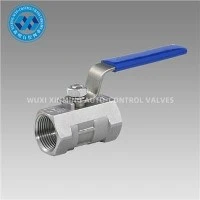
What are the advantages of using a pneumatic ball valve?
In the realm of industrial fluid control systems, the choice of valves plays a pivotal role in ensuring efficient and reliable operations. Among the various types of valves available, pneumatic ball valves have emerged as a popular choice for a wide range of applications. As a leading supplier of pneumatic ball valves, I have witnessed firsthand the numerous advantages that these valves offer. In this blog post, I will delve into the key benefits of using pneumatic ball valves and explain why they are a preferred option for many industries.
1. Quick and Precise Operation
One of the primary advantages of pneumatic ball valves is their ability to provide quick and precise operation. These valves are designed with a spherical closure element (the ball) that rotates within the valve body to control the flow of fluid. When the valve is actuated, the ball can be rotated 90 degrees to either fully open or fully close the valve, allowing for rapid on/off control of the fluid flow. This quick response time is particularly beneficial in applications where immediate shut-off or flow adjustment is required, such as in emergency situations or in processes that involve high-pressure or high-flow rates.
Moreover, pneumatic ball valves offer excellent control over the flow rate. By adjusting the position of the ball, the valve can be partially opened to regulate the flow of fluid, providing precise control over the process. This level of control is crucial in applications where accurate flow regulation is essential, such as in chemical processing, water treatment, and food and beverage production.
2. High Flow Capacity
Pneumatic ball valves are known for their high flow capacity, which makes them suitable for applications that require large volumes of fluid to be transported. The spherical design of the ball allows for a full-bore opening, which means that there is minimal obstruction to the flow of fluid through the valve. This results in a low-pressure drop across the valve, reducing energy consumption and improving the overall efficiency of the system.
In addition, the smooth internal surface of the ball valve minimizes turbulence and friction, further enhancing the flow capacity. This makes pneumatic ball valves ideal for applications that involve the handling of viscous fluids or slurries, as they can prevent clogging and ensure a continuous flow of material.
3. Leakage Prevention
Another significant advantage of pneumatic ball valves is their excellent sealing performance. These valves are designed with a tight-fitting ball and seat, which provides a reliable seal to prevent leakage of fluid. The seal is typically made of materials such as PTFE (polytetrafluoroethylene) or other elastomers, which offer high resistance to wear, corrosion, and chemical attack.
In addition, pneumatic ball valves can be equipped with additional sealing features, such as double-sealing or fire-safe design, to provide extra protection against leakage in critical applications. This makes them suitable for use in industries where safety and environmental protection are of utmost importance, such as in the oil and gas, chemical, and pharmaceutical industries.
4. Durability and Longevity
Pneumatic ball valves are built to withstand harsh operating conditions and provide long-term reliability. The valve body and ball are typically made of materials such as stainless steel, carbon steel, or other alloys, which offer high strength, corrosion resistance, and durability. These materials can withstand high temperatures, pressures, and corrosive environments, ensuring that the valve can operate effectively for an extended period of time.
In addition, pneumatic ball valves require minimal maintenance, as they have few moving parts and are designed to be self-lubricating. This reduces downtime and maintenance costs, making them a cost-effective solution for many industries.
5. Versatility
Pneumatic ball valves are highly versatile and can be used in a wide range of applications across various industries. They are available in different sizes, materials, and configurations to meet the specific requirements of different applications. For example, Pneumatic Actuated Three-Way Stainless Steel Ball Valve is suitable for applications that require the diversion or mixing of fluid flows, while PVC Ball Valve is ideal for use in water treatment and irrigation systems due to its corrosion resistance and low cost.


In addition, pneumatic ball valves can be actuated using different types of pneumatic actuators, such as piston actuators, diaphragm actuators, or rack and pinion actuators, depending on the application requirements. This allows for flexibility in valve operation and control, making them suitable for both manual and automated systems.
6. Easy Installation and Integration
Pneumatic ball valves are relatively easy to install and integrate into existing systems. They are typically designed with standard flange or threaded connections, which make them compatible with a wide range of piping systems. In addition, the valve and actuator can be pre-assembled and tested before delivery, reducing the installation time and ensuring a reliable and efficient installation.
Furthermore, pneumatic ball valves can be easily integrated with other control devices, such as sensors, controllers, and actuators, to form a complete automation system. This allows for remote operation and monitoring of the valve, improving the overall efficiency and productivity of the process.
7. Cost-Effectiveness
When considering the total cost of ownership, pneumatic ball valves offer a cost-effective solution for many industries. While the initial purchase cost of a pneumatic ball valve may be higher than some other types of valves, the long-term benefits of their performance, durability, and low maintenance requirements can result in significant cost savings over the life of the valve.
In addition, the high flow capacity and low-pressure drop of pneumatic ball valves can reduce energy consumption, further lowering the operating costs. This makes them an attractive option for industries that are looking to improve their efficiency and reduce their environmental impact.
In conclusion, pneumatic ball valves offer a wide range of advantages that make them a preferred choice for many industries. Their quick and precise operation, high flow capacity, leakage prevention, durability, versatility, easy installation, and cost-effectiveness make them an ideal solution for a variety of fluid control applications. If you are in need of a reliable and efficient valve for your industrial process, I encourage you to consider using a pneumatic ball valve. Our company offers a comprehensive range of pneumatic ball valves, including Segment Control Valve With Pneumatic Actuator, to meet your specific requirements. Contact us today to discuss your valve needs and explore how our products can benefit your business.
References
- Valve Handbook, 4th Edition, by J. F. Matthai
- Piping and Pipeline Engineering: Design, Construction, Maintenance, Integrity, and Repair, by Mahmood Moshfeghian