Can a PVC Ball Valve be used in a food - processing industry?
In the realm of the food - processing industry, the selection of equipment and components is of utmost importance. Every piece of hardware must meet strict safety, hygiene, and performance standards. One such component that often comes under scrutiny is the PVC ball valve. As a PVC ball valve supplier, I am frequently asked whether these valves can be used in food - processing applications. In this blog, I will delve into the various aspects of using PVC ball valves in the food - processing industry.
1. Understanding PVC Ball Valves
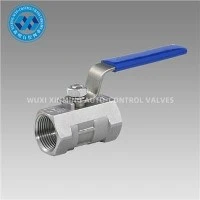
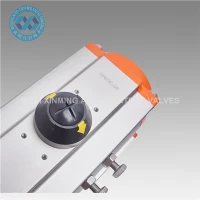
PVC, or polyvinyl chloride, is a widely used thermoplastic polymer. PVC ball valves are composed of a PVC body and a ball - shaped disc that rotates within the valve to control the flow of fluid. These valves are known for their corrosion resistance, affordability, and ease of installation. They come in different types, such as Thread Ball Valve, Pneumatic Ball Valve, and Three Stage Pneumatic Rotary Actuator Ball Valve Made in China, each designed for specific applications and flow control requirements.
2. Advantages of PVC Ball Valves in the Food - Processing Industry
2.1 Corrosion Resistance
Food - processing environments often involve the use of acidic or alkaline substances, as well as water. PVC ball valves are highly resistant to corrosion from a wide range of chemicals commonly found in food - processing operations. This resistance ensures that the valves do not degrade over time, which is crucial for maintaining the integrity of the food - processing system and preventing contamination of the food products.
2.2 Cost - Effectiveness
Compared to valves made from other materials such as stainless steel, PVC ball valves are relatively inexpensive. This cost - effectiveness is a significant advantage for food - processing companies, especially small and medium - sized enterprises, as it allows them to invest in other areas of their operations while still ensuring reliable flow control.
2.3 Lightweight and Easy to Install
PVC ball valves are lightweight, which makes them easy to handle and install. This can reduce installation time and labor costs in food - processing plants. Additionally, their simple design allows for straightforward maintenance and replacement, minimizing downtime in case of valve failure.
3. Challenges and Concerns
3.1 Material Safety
One of the primary concerns when using PVC ball valves in the food - processing industry is the potential for the release of harmful substances. PVC can contain additives such as plasticizers, stabilizers, and pigments, which may leach into the food products under certain conditions. However, food - grade PVC materials are available that are specifically formulated to meet strict safety standards. These food - grade PVC ball valves are manufactured using additives that are approved for contact with food, ensuring that they do not pose a risk to human health.
3.2 Temperature Limitations
PVC has a relatively low melting point compared to some other materials. In food - processing operations that involve high - temperature fluids or steam, PVC ball valves may not be suitable. Excessive heat can cause the PVC to deform, leading to valve failure and potential leakage. It is essential to carefully consider the temperature requirements of the food - processing application before selecting a PVC ball valve.
3.3 Pressure Resistance
While PVC ball valves can handle a certain range of pressures, they may not be suitable for high - pressure applications. In food - processing systems where high pressure is required, such as in some bottling or canning operations, valves made from stronger materials like stainless steel may be a better choice.
4. Regulatory Compliance
The food - processing industry is heavily regulated to ensure the safety and quality of food products. When using PVC ball valves in this industry, it is crucial to ensure that the valves comply with relevant regulations and standards. For example, in the United States, the Food and Drug Administration (FDA) has specific requirements for materials that come into contact with food. Valves must meet these requirements to be legally used in food - processing operations. In the European Union, the European Food Safety Authority (EFSA) sets similar standards. As a PVC ball valve supplier, I ensure that all our products are tested and certified to meet these regulatory requirements, providing our customers with peace of mind.
5. Case Studies
There are numerous successful applications of PVC ball valves in the food - processing industry. For example, in a small - scale juice production plant, PVC ball valves are used to control the flow of fruit juices and cleaning solutions. The corrosion resistance of the PVC valves ensures that they can withstand the acidic nature of the juices, while their affordability allows the plant to keep its production costs down. Another case is a dairy processing facility where PVC ball valves are used in low - pressure water supply lines for cleaning and sanitizing equipment. The lightweight and easy - to - install nature of the valves make them a practical choice for this application.


6. Making the Right Choice
When deciding whether to use a PVC ball valve in a food - processing application, several factors need to be considered. First, assess the nature of the food product and the processing conditions. If the application involves low - temperature, low - pressure fluids and the PVC valve is made from food - grade material, then a PVC ball valve can be a viable option. However, if high temperatures, high pressures, or aggressive chemicals are involved, alternative materials may be more appropriate.
It is also important to work with a reliable PVC ball valve supplier who can provide technical support and ensure that the valves meet all relevant regulatory requirements. At our company, we have a team of experts who can assist you in selecting the right valve for your specific food - processing needs.
7. Conclusion
In conclusion, PVC ball valves can be used in the food - processing industry under the right conditions. Their corrosion resistance, cost - effectiveness, and ease of installation make them an attractive option for many food - processing applications. However, it is essential to address the concerns regarding material safety, temperature limitations, and pressure resistance. By choosing food - grade PVC ball valves and ensuring compliance with regulatory standards, food - processing companies can safely and effectively use these valves in their operations.
If you are involved in the food - processing industry and are considering using PVC ball valves, I encourage you to contact us for more information. Our team of experts can help you select the most suitable valve for your specific needs and provide you with all the necessary technical support. We look forward to the opportunity to discuss your requirements and work with you to ensure the success of your food - processing operations.
References
- Food and Drug Administration (FDA). Regulations on materials in contact with food.
- European Food Safety Authority (EFSA). Guidelines for food - contact materials.
- Industry reports on the use of valves in food - processing applications.